



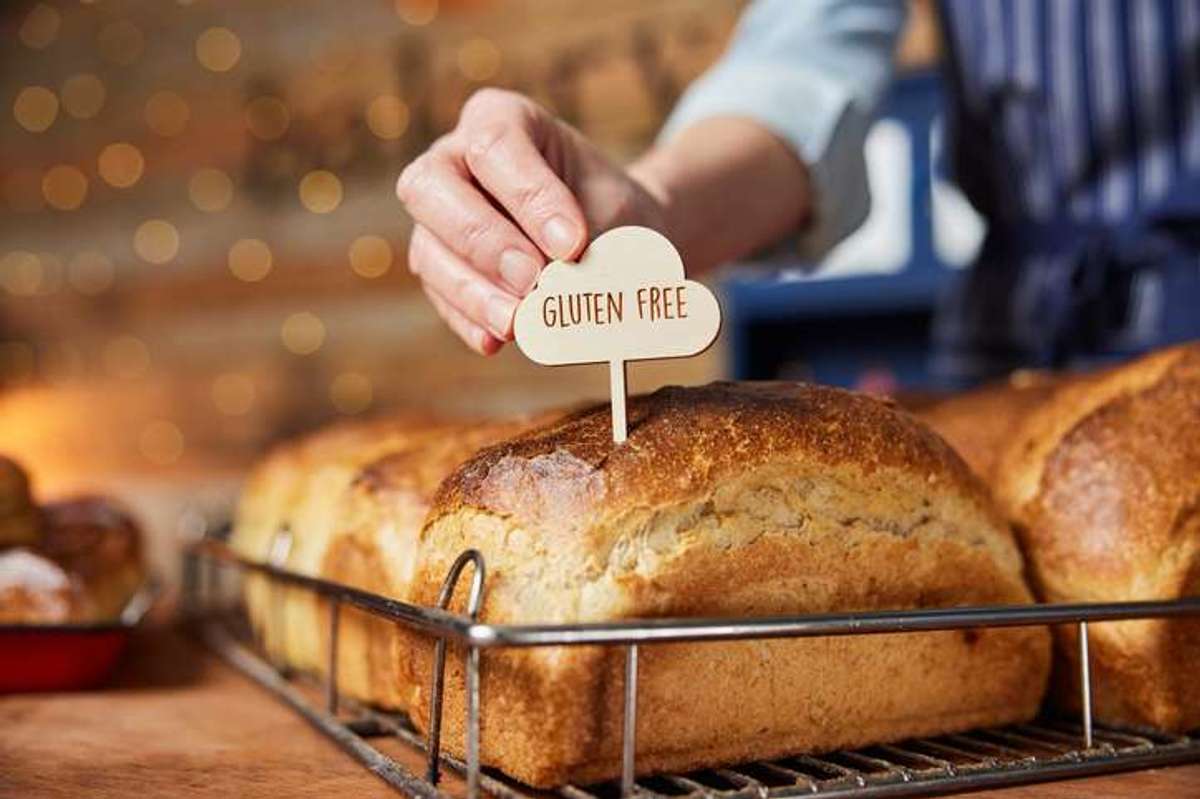

Gluten-free products are becoming increasingly expensive for shoppers, with the price of some staple items rising well above inflation and prompting concerns about affordability across the category.
Industry experts warn that higher production costs and stricter food safety requirements continue to push up prices, creating challenges for both consumers and retailers.
According to consumer reports and industry experts, gluten-free staples such as bread, flour and biscuits are becoming increasingly expensive, raising concerns among people who rely on gluten-free diets for medical reasons.
While a standard 800g loaf of white bread can still be purchased for less than £1 in many supermarkets, a smaller gluten-free equivalent typically costs around £2, with some branded loaves approaching £4.
Alison Peters, founder of Coeliac Sanctuary, said a “decent gluten-free loaf now regularly costs about £4”, adding that even supermarket own-label alternatives often cost around £2.
Data from grocery comparison platform Trolley.co.uk shows the average price of gluten-free bread has increased by almost six per cent over the past year, while gluten-free flour prices have risen by more than 10 per cent, The Guardian stated.
The challenge for shoppers is compounded by smaller pack sizes. Many gluten-free products contain significantly less product than their standard counterparts despite carrying a much higher price tag.
Industry experts point to the higher costs involved in producing gluten-free products. Dedicated manufacturing facilities, ingredient segregation and increasingly stringent testing requirements all add to production costs.
Jason Bull, of ingredients supplier Eurostar Commodities, said gluten-free production remains significantly more expensive than conventional food manufacturing.
“The need to segregate ingredients and production lines is expensive and time-consuming,” he said, adding that tighter food safety requirements, while necessary, also contribute to higher costs.
For convenience retailers, the category presents both a challenge and an opportunity. While gluten-free products remain a relatively small segment of grocery sales, demand is often driven by necessity rather than impulse, creating strong shopper loyalty and repeat purchases.
Affordability pressures are beginning to influence purchasing behaviour. According to market research firm Mintel, consumers facing financial pressures are significantly less likely to follow a gluten-free diet than those who are financially comfortable.
Mintel also noted a decline in gluten-free product innovation, with gluten-free products accounting for 12 per cent of new food launches in 2025, down from 19 per cent in 2019.