


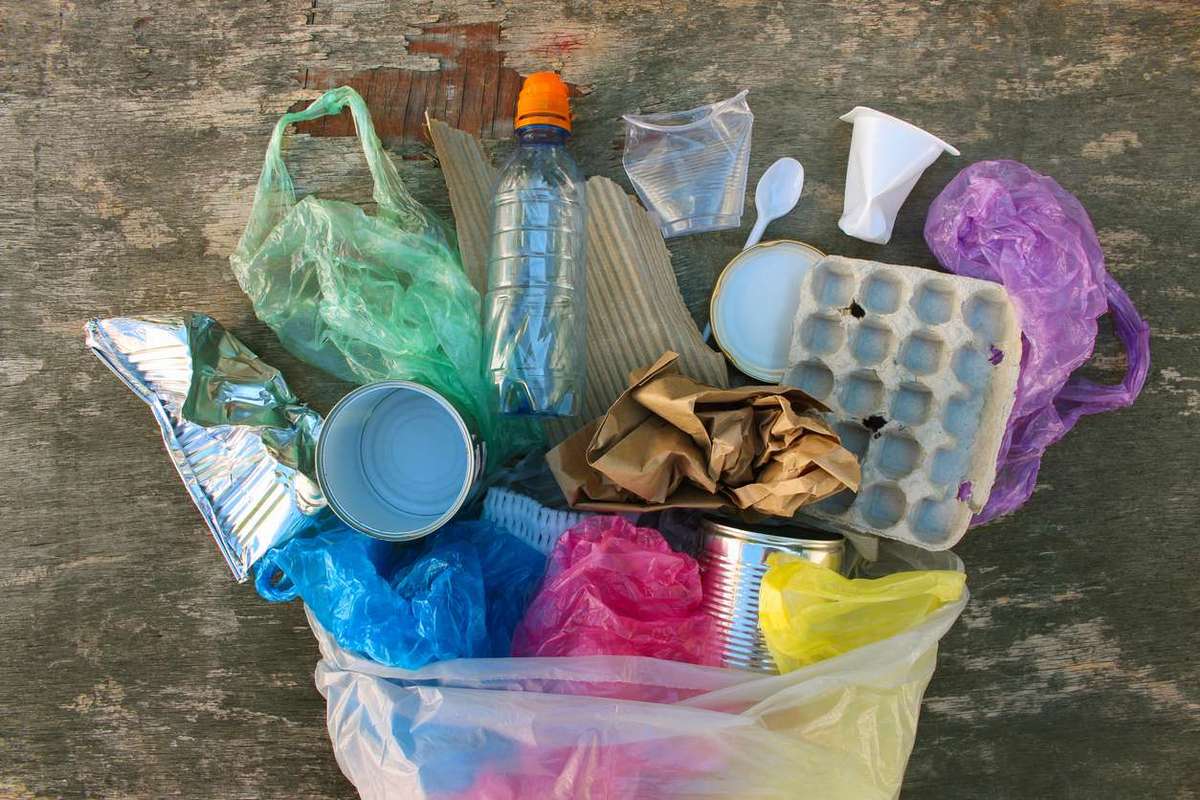

Six major consumer goods companies have joined forces to accelerate the development of responsibly designed paper-based alternatives to flexible plastic packaging.
Colgate-Palmolive, Mars, Nestlé, PepsiCo, Procter & Gamble and Unilever have become founding members of the PaperFlex Consortium, convened by the Ellen MacArthur Foundation and powered by (RE)SET.
The consortium is open to additional FMCG companies, innovators, suppliers and investors and will focus on markets where flexible plastic packaging is widely used but collection and recycling infrastructure is limited.
Its aim is to develop paper-based alternatives that can be recycled as collection systems improve and biodegrade if they unintentionally enter the environment.
Over the coming years, members will shape, fund and conduct collaborative trials covering technologies including biodegradable coatings and other innovations designed to provide product protection, shelf life and consumer usability while improving the performance of paper-based materials on manufacturing lines.
The consortium said joint research and development could help promising innovations reach scale faster and at lower cost, potentially bringing new packaging options to consumers sooner.
However, each participating company will continue to make its own packaging decisions independently.
Sander Defruyt, strategy lead for plastics at the Ellen MacArthur Foundation, said responsibly designed paper-based flexible packaging solutions were not yet available at the required performance, scale and cost.
“This consortium signals strong demand for them – and real ambition from six consumer goods companies to help scale them,” he said.
Frank Gana, CEO and co-founder of (RE)SET, said collaborative R&D consortia could accelerate the development and scaling of solutions while reducing costs.
“While participation in this consortium is voluntary and each member makes its own packaging decisions, this approach lets us develop and scale solutions faster and at lower cost – benefiting consumers, the environment, and the entire industry,” Gana said.
The initiative follows an Ellen MacArthur Foundation report published earlier this year examining the potential role of paper-based flexible packaging in addressing small-format flexible plastic pollution in markets with high leakage rates.
The Foundation said flexible plastic packaging, including sachets, wrappers and pouches, is the fastest-growing type of plastic packaging globally, while scaled recycling solutions are not yet widely available.
Small-format flexible plastic packaging has also been identified by the Foundation as one of three key systemic barriers to tackling plastic waste in its 2030 Plastics Agenda for Business.
The earlier report, endorsed by 48 businesses, NGOs, investors and academics, identified responsibly designed paper-based alternatives as one potential part of a broader strategy to address small-format flexible plastic waste, particularly in markets with weaker waste-management systems.
It set out six design criteria intended to ensure that paper-based alternatives do not create new environmental problems. These include recyclability, biodegradability and responsible sourcing and production.
The consortium said its work would continue to take into account food safety, product quality, consumer protection and regulatory compliance.
The Foundation stressed that developing and deploying such packaging at scale would take time, with interim solutions intended to progressively meet all six criteria.
It also highlighted the need for sustainably sourced paper fibres and investment in effective collection and recycling infrastructure alongside packaging innovation.
Nestlé’s head of global packaging development Gilles Demaurex said paper-based flexible packaging could help reduce virgin plastic use and flexible packaging waste and pollution.
“By joining our efforts under the PaperFlex Consortium, promising paper innovations will be developed and deployed responsibly at scale faster and at lower cost,” he said.
Mars global vice president of healthy planet and chief circularity officer Allison Lin said: “The consortium challenges the traditional mindset of innovating on our own, demonstrating that partnership – structured with legal oversight, clear guardrails on permissible topics, and an independent third-party convenor – can accelerate the development of more sustainable packaging in ways that no single company could achieve alone.”
Unilever’s head of packaging, digital and transformation, R&D, Pablo Costa, added that the consortium would “bring together the expertise, investment and shared learning needed to accelerate innovation and support a responsible transition at scale.”