



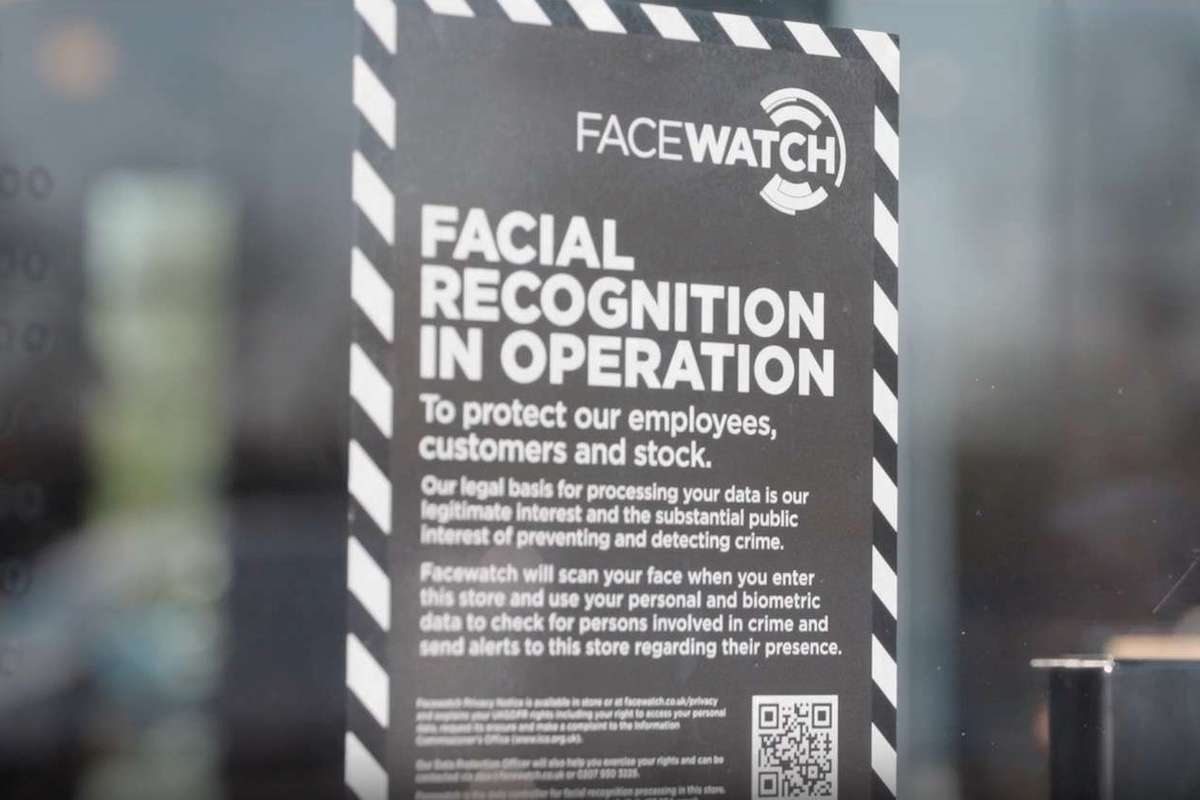

Facewatch today (June 30) announces that it will launch a new crime management platform this autumn, including what the company believes is a UK-first capability to alert police in real-time when the most serious offenders enter shops.
The feature will trigger an instant notification the moment a high-risk offender is matched by live facial recognition as they enter a protected store, enabling police to respond while an incident is still unfolding.
It is designed to support enforcement action against the most prolific and dangerous repeat offenders, who are disproportionately responsible for the majority of retail crime and violence against shop workers.
The announcement comes as the Crime and Policing Act 2026 strengthens the national response to retail crime, including new protections for shop workers and the removal of the previous £200 threshold that had effectively decriminalised low value shop theft.
Facewatch says its instant police alerting capability directly supports that legislative intent.
Nick Fisher, CEO of Facewatch, said: “The Facewatch Crime Management Platform combines world-class algorithm accuracy with an easy-to-use reporting system, enabling retailers to record incidents, analyse data and generate evidence-led reports.
“Retailers have told us they want one trusted platform that supports shop floor colleagues, loss prevention teams and the police, and that’s what we’re building.
“To support the wider community and government fight against retail crime, the capability to alert police instantly when serious offenders trigger a live facial recognition match will take evidence-backed crime reporting to the next level.”
Every month, Facewatch sends 50,000-plus positive alerts to thousands of retail stores across the UK the moment a known offender steps on to the premises and is matched by live facial recognition technology.
The process delivers 99.98% operational accuracy by checking each match with two algorithms, prior to a human verification stage, before an alert is sent to the retailer.
Added Fisher: “The majority of retail crime is carried out by a minority of prolific repeat offenders, an increasing number of which are using weapons to threaten shop workers.
“We’re calling time on prolific repeat offending with a unique technical development that will warn police within an average of four seconds the moment the worst offenders are matched and flagged on our network.”
That speed and scale is only possible because Facewatch holds sole Data Controller responsibility across its entire retailer network, a level of governance that delivers the highest levels of compliance combined with the power of aggregated intelligence, which means Facewatch can share alerts proportionately on known offenders to all retail partners across its network.
The platform will bring together live facial recognition, incident reporting, case management and police-ready evidence workflows under one governed framework, reducing duplication for retailers and providing clear governance and safeguards for biometric data handling.
Facewatch’s role as the Data Controller across its network means it takes responsibility for personal and special category data processing rather than placing those regulatory obligations on its retail subscribers.
Fisher explained: “Retailers should carefully assess the decision and risk of processing special category biometric data.
“The decision to do so means taking on serious legal liability, losing the benefit and protection of aggregated data intelligence, and managing complex data rights and obligations in house.
“A software vendor may tell you these things aren’t important, but it’s not them that will have to deal with the fallout.”
He added: “Retailers who take on the role of data controller are significantly disadvantaged by missing out on more than half of all alerts generated as a result of incidents in other stores.”
The Facewatch Crime Management Platform will be launched this autumn, following testing with existing retail partners, and will sit within the company’s wider governance framework, including its recently awarded ISO/IEC 42001 certification for its Artificial Intelligence Management System.