



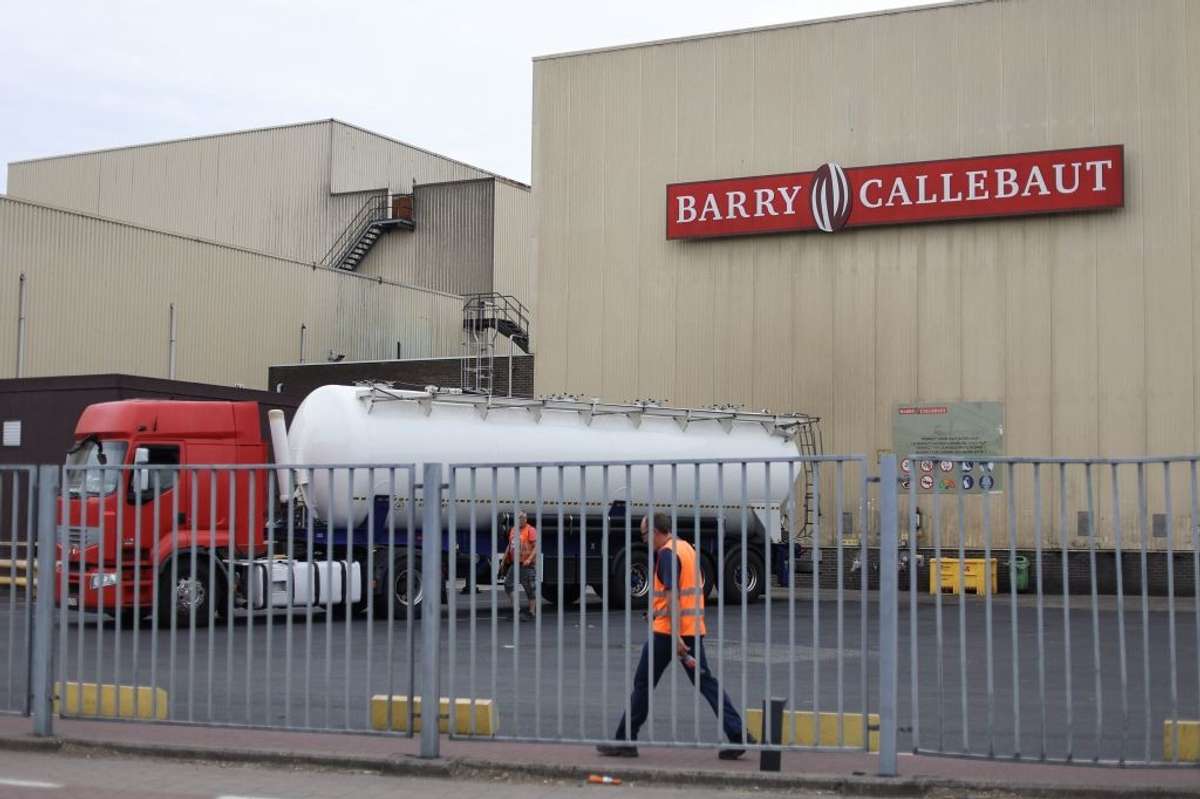

Barry Callebaut, one of the world's biggest chocolate makers, signalled Thursday that chocoholics are starting to replenish their stocks after being stung by inflation.
The group, which says it runs the world's biggest chocolate factory in Belgium and provides cocoa products to nearly all major makers, warned however that any improvement would be "gradual".
Barry Callebaut said sales volumes increased for the first time in two years in the quarter from March to May this year, as it revealed its latest results.
It said that sales volume fell 2.8 per cent to 1.5 million tonnes over the first nine months of its financial year up, but had increased 5.7 per cent in the third quarter.
Asia, the Middle East and Africa boosted sales over the nine months, while Western Europe was down 2.5 per cent and North America 7.6 per cent.
It predicted that for the whole financial year up to the end of August, sales volumes would be down about one per cent.
The group attributed the belated increase to increased demand for cocoa powder and some customers "replenishing their stocks".
Its turnover over the nine months fell 12.7 per cent against the previous year to 9.5 billion Swiss francs (£8.8bn), below analysts' forecasts.
The group's performance reflects the roller coaster ride by cocoa prices over the past five years when it has been buffeted by wars, poor harvests and economic worries in key markets.
Barry Callebaut's turnover exploded when prices took off in 2024. But orders started falling when customers lost their sweet tooth as the price of a bar of chocolate rose by up to 50 per cent.
The group does not sell direct to consumers but provides cocoa and chocolate preparations to major firms around the world, including Hershey, Mondelez and Nestlé as well as cake, cookie and ice cream makers.
The cocoa price hit a record high of $12,931 a tonne in New York in December 2024. But then gradually fell to 2,846 dollars a tonne through 2025 and early 2026.
Fears that the Middle East war could cut off fertiliser supplies through the strategic Strait of Hormuz and that the new El Nino weather phenomenon could hit the harvest have pushed the price back up again to 4,613 dollars a tonne in recent days.
(AFP)