




McVitie’s owner pladis has secured validation of its climate targets from the Science Based Targets initiative (SBTi), as it sets out the next phase of its sustainability strategy to 2030.
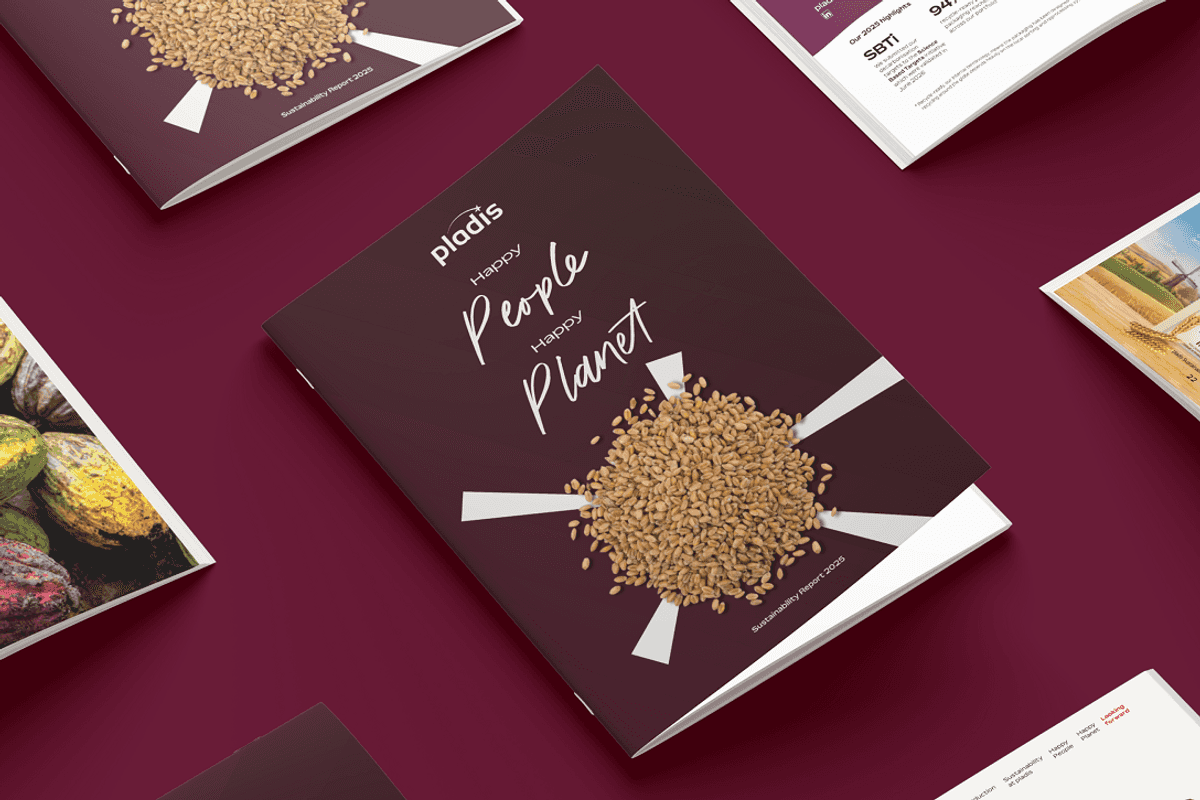
The global snacking company, which also owns Jacob's and Carr's, has published its 2025 Sustainability Report alongside an update on its Happy People, Happy Planet strategy.
Under its newly SBTi-validated targets, pladis will aim to cut absolute Scope 1 and 2 greenhouse gas emissions by 58.8 per cent and Scope 3 emissions by 35 per cent by 2034, against a 2023 baseline.
The targets also include a 42 per cent reduction in forest, land and agriculture (FLAG) emissions over the same period, while pladis has committed to reaching net zero across its full value chain by 2050.
Scope 3 emissions, which cover emissions generated across the company's value chain, currently account for 91 per cent of pladis' carbon footprint.
£68m UK bakery investment
Pladis said its sustainability programme is being supported by a £68 million multi-year investment in its UK bakery network.
Projects include new moulding lines, robotics and ovens at sites including Manchester and Aintree. Once completed, the projects are expected to reduce emissions by around 876 tonnes of CO₂e a year.
Packaging is another area of focus.
By the end of 2025, 94 per cent of plastic packaging across pladis' global portfolio was recycle-ready, although the company said work is continuing on the remaining formats.
It has now set a target to reduce its use of virgin plastic by 10 per cent by 2030, against a 2025 baseline.
McVitie's has completed development and internal testing of recycle-ready packaging for 100 per cent of its Digestives range, with rollout across remaining formats continuing in 2026.
Focus on sourcing
Pladis also highlighted progress in sourcing key agricultural ingredients.
In the UK, its Back to Farm programme sourced more than 30,000 tonnes of wheat grown using regenerative practices from around 50 farmers in 2025.
The company said this reduced emissions by 104kg of CO₂e per tonne of flour compared with the AHDB UK baseline of 340kg.
Globally, 94 per cent of the palm oil used to manufacture pladis products could be traced back to the mill where it was processed in 2025.
Its Beyond Cocoa programme also provided mobile healthcare access to 2,440 cocoa farmers and their families, while six supplying cooperatives were verified as sourcing from deforestation-free areas.
Suzanne Westlake, director of sustainability at pladis, said SBTi validation provided “clear direction” for reducing emissions, while adding that colleagues, farmers, suppliers and partners would be needed to deliver the company's targets.
“Together with our Happy People, Happy Planet strategy, those targets give us a single global framework for action,” she said. “Working together will be essential to building on the progress already made and delivering the change still needed.”