




Almost 400 million single-use plastic carrier bags were sold by retailers in England last year despite a decade of charges that have dramatically reduced their use, prompting fresh calls from the recycling industry to accelerate plastic collection reforms.
New figures published by the Department for Environment, Food & Rural Affairs (Defra) show the seven largest retailers have cut single-use plastic carrier bag sales by 90 per cent since the charge was introduced in 2015, but Eurokey warned the recently announced three-year delay to household flexible plastic collections could see more than one billion additional bags sent to landfill or incineration.
According to the Defra report, the seven largest retailers in England sold 126 million single-use plastic carrier bags during the 2025-26 reporting year, down 23 per cent from the previous year and 90 per cent lower than in 2016-17, the first full year after the charge was introduced.
The reduction equates to more than 7.5 billion fewer bags being sold annually compared with pre-charge levels. Across all 94 retailers reporting data, 399 million single-use carrier bags were sold during the year, a 9 per cent decline from 2024-25. The total is equivalent to around seven bags per person.
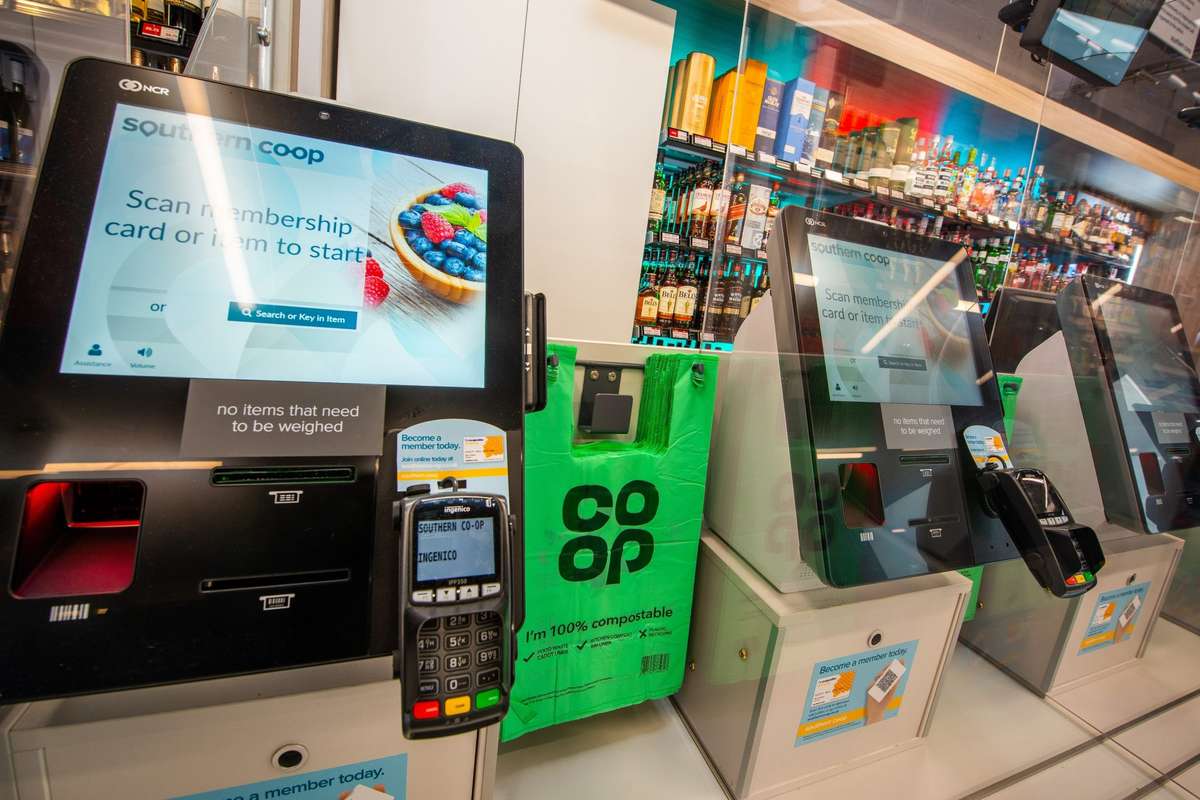
Defra said the latest figures represent a 98 per cent reduction compared with the 7.6 billion single-use carrier bags distributed by the major retailers in 2014, before the charge came into force. Tesco and Waitrose reported selling no single-use carrier bags from 2022-23 onwards, while Marks & Spencer and Sainsbury's also reported zero sales during the latest reporting period. Asda, Morrisons and the Co-operative Group accounted for all of the bags sold by the seven largest retailers.
Retailers also continued to support charitable causes through the scheme, with participating businesses donating £8.7 million from carrier bag charge proceeds during the year. Total reported donations since the charge was introduced in 2015 have now exceeded £234 million.
However, recycling specialist Eurokey, part of circular economy group Reconomy, said the published data tells only part of the story because retailers are not required to report sales of reusable “bags for life” or other reusable plastic bags.
David Gudgeon, head of external affairs at Eurokey, said the carrier bag charge had been one of the UK's most successful environmental policies but argued that more action was needed to tackle plastic waste.
“The carrier bag charge has been one of the UK's biggest environmental stories in a bid to address single-use plastics. It shows that clear policy can change behaviour, with sales at the UK's largest retailers falling by 90 per cent since the charge was introduced,” he said.
“But with 399 million single-use bags being sold every year, and published data not including the number of bags-for-life being sold, the full picture still isn't clear.”
The comments come after the government confirmed it would delay the rollout of household collections for flexible plastics in England under its Simpler Recycling reforms from 2027 to 2030.
According to Eurokey, the three-year postponement means more than one billion additional plastic bags are likely to be landfilled or incinerated before households can recycle them more widely.
“The recycling sector is ready to play its part, but it needs consistent and timely policy to give businesses the confidence to keep investing in the domestic infrastructure, and consumers the confidence that their plastic can and will be recycled,” Gudgeon added.
“Only when everybody works together will we be able to build a truly circular economy.”