



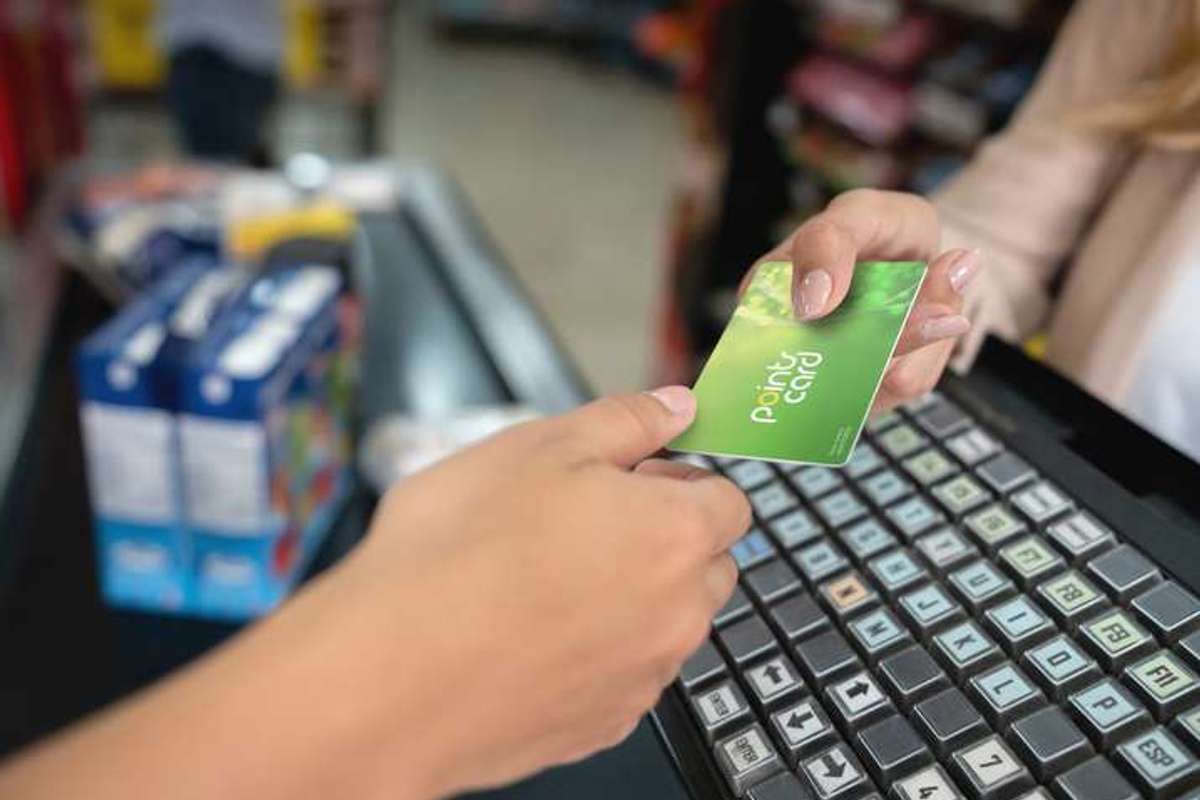

Loyalty alone is no longer enough to keep customers coming back, with new research showing that 52 per cent of UK consumers would switch their usual shop for one offering more attractive rewards, finds a recent report, highlighting the growing pressure on retailers to ensure loyalty programmes deliver clear, immediate value if they are to retain customers.
According to a new report from SumUp, many consumers are sitting on rewards they don’t fully understand, while others are ready to switch loyalties altogether.
From supermarket points to beauty brand reward apps, the market for loyalty programmes in the UK is a fight for brands to retain customer trust. With so many to choose from, their true value has been up for debate. But confidence in these programmes is far from fading, as over two-thirds (70 per cent) of British consumers say that loyalty schemes successfully entice them back to shops.
An overwhelming majority of consumers feel the significance of loyalty programmes across the UK, with almost three-quarters (73 per cent) saying they offer good value for money, and almost half (41 per cent) say the savings they make through loyalty schemes play a role in how they manage their finances.
The emotional and behavioural impact of loyalty cards is also apparent. Almost two-thirds (61 per cent) of consumers say they feel more connected to a local business when they recognise their loyalty via an app or card, and over a quarter (28 per cent) feel a sense of guilt shopping at a competitor if they have a loyalty card with their usual shop.
Interestingly, almost two-thirds (64 per cent) would happily wait to buy something if it means they can get it cheaper through their loyalty programme, demonstrating just how much value shoppers place in rewards.
Loyalty schemes also encourage shoppers to spend more than usual when they are close to earning a reward, as over two-thirds (68 per cent) say they sometimes or always find themselves doing so.
But shoppers are being urged not to stay loyal out of habit.
Despite having some sense of loyalty, consumers want their rewards to offer genuine value and wouldn’t hesitate to leave a programme if their needs aren’t met.
Consumers are most likely to avoid a loyalty scheme if the benefits are not clear or appealing (27 per cent), and over a third (35 per cent) have stopped using a loyalty programme they were already part of because it took too long to earn rewards.
Just over half (52 per cent) would also change their local shop if another place offered better loyalty perks, so brands need to ensure their offers meet the expectations of customers.
For shoppers weighing up their options, the research also reveals what matters most. Almost three in five shoppers (59 per cent) prefer small, immediate rewards over larger, long-term rewards, such as 10 per cent on the first shop rather than a free item after 10 visits.
Supermarket loyalty cards are the most frequently used amongst British consumers (76 per cent), and over a quarter (79 per cent) say it’s the loyalty programme that is most important to them. Coffee shop loyalty programmes are the second most important (34 per cent).
Loyalty programmes aren’t always well-received, and shoppers prefer to join a community where they build trust with a single brand. Multi-brand points-based schemes, such as Love2Shop or Perkbox, don’t create that connection and are the least used loyalty schemes (seven per cent).
When it comes to keeping track of rewards, almost three in 10 (29 per cent) prefer a physical card in their wallet, 29 per cent prefer a digital wallet card, and 28 per cent prefer a dedicated app for the brand.
Gabriel Destremaut, PR and corporate communications expert at SumUp, commented: “Loyalty cards can genuinely help households save money, but only if shoppers actually use them properly.
"Our research shows over a third of people have walked away from a scheme because rewards took too long to earn, which suggests many programmes aren’t delivering value quickly enough. Our advice to shoppers is simple: don’t collect cards out of habit. If a loyalty scheme isn’t saving you money within a reasonable time, it’s worth switching to one that will.
“When developed with the consumer in mind, rewards programmes are an effective way to build brand trust and loyalty. We wanted to show businesses how they can create worthwhile loyalty schemes that encourage shoppers to return and spend. The findings show how valuable these programmes are to shoppers, and how much potential there is for brands to make them more rewarding and easier to use.”