


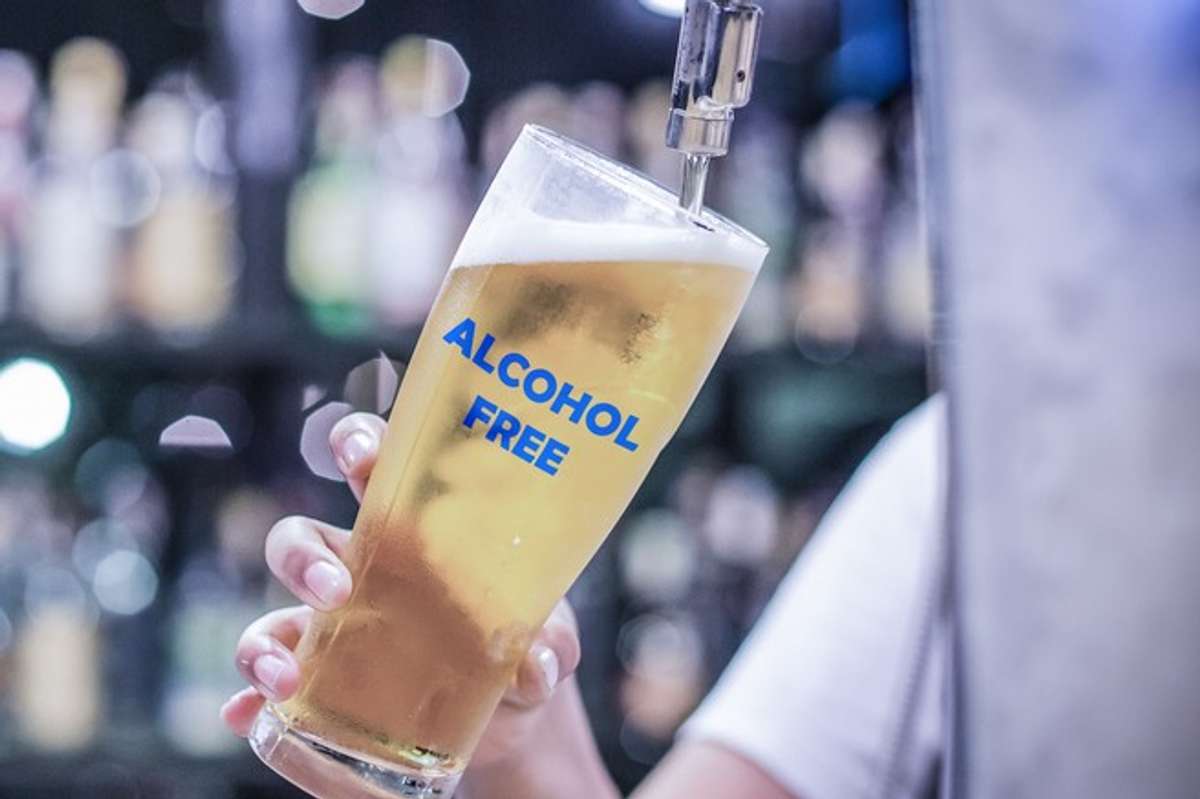

The growing practice of alternating alcoholic and non-alcoholic drinks during social occasions, known as 'zebra striping', is creating new opportunities for drinks brands and retailers as consumers increasingly embrace moderation rather than complete abstinence.
According to consumer intelligence company GlobalData, the trend reflects changing attitudes towards alcohol, with 61 per cent of consumers globally saying they drink low- or no-alcohol beverages regularly, occasionally or when socialising.
Rather than replacing alcoholic drinks altogether, zebra striping allows consumers to alternate between the two, maintaining their participation in social occasions while moderating their alcohol intake.
Mark Jephcott, associate consumer analyst at GlobalData, said the growing availability of alcohol-free beers, spirits and mocktails in pubs and bars, alongside expanding retail ranges, was helping the practice gain traction.
“By naturally pacing alcohol intake and promoting hydration, the practice allows people to sustain their energy, curb hangovers, and socialise more inclusively in mixed groups,” he said.
Younger consumers are emerging as an important audience for the trend. GlobalData's Q4 2025 Consumer Survey found that 50 per cent of Gen Z consumers buy non-alcoholic drinks at least once a week, compared with 41 per cent of global consumers who purchase alcoholic drinks that frequently.
Among Millennials, 51 per cent buy non-alcoholic drinks at least weekly, compared with 46 per cent who buy alcoholic beverages at the same frequency.
Gen Z consumers are also more likely to choose low- or no-alcohol drinks specifically when socialising, with 21 per cent doing so, compared with 13 per cent of Boomers.
Brands are responding with products designed to offer greater choice during social occasions. In October, E&J Gallo launched La Marca Non-Alcoholic Sparkling, targeting consumers who enjoy both alcoholic and alcohol-free beverages.
Health and wellness considerations are also influencing purchasing decisions. GlobalData's Q3 2026 global consumer survey found that 43 per cent of consumers choose low- or no-alcohol drinks because of perceived health benefits.
Younger consumers place particular emphasis on longer-term health considerations. Among Gen Z, 29 per cent cite fewer long-term effects as a reason for choosing these products, while 28 per cent say they are less addictive. The corresponding figures among Boomers are 25 per cent and 18 per cent, respectively.
Drinks manufacturers are increasingly responding with functional formulations. Heineken has introduced Outdoor Brewing, a non-alcoholic beer with added vitamins and electrolytes, while Suntory's Shugyoku no Ippai, scheduled for launch in Japan in December, will offer zero calories, carbohydrates and purines.
Orion is also preparing to launch Clear Free Sparkling Mango in December, featuring added dietary fibre.
The trend is also extending beyond the main drinking occasion, with younger consumers increasingly incorporating alcohol-free drinks throughout a night out.
GlobalData's Q3 2026 survey found that Gen Z consumers are more than four times as likely as Boomers to drink low- or no-alcohol beverages before going out (13 per cent versus three per cent) and after returning home (14 per cent versus three per cent).
Manufacturers are responding with alcohol-free alternatives to familiar serves. Suntory's Non-Alcoholic Bar range uses de-alcoholised shochu and whisky extracts to recreate izakaya-style sours and highballs, with grapefruit and lemon variants scheduled for January 2027.
Jephcott said the trend presented an opportunity for global drinks brands to position non-alcoholic products alongside their alcoholic counterparts rather than as direct replacements.
“Brands that target Gen Z and Millennials with taste parity, a clear functional benefit, and products designed to sit alongside their alcoholic counterparts, on the shelf and at the bar, are best placed to capture moderation as it continues to move into the mainstream,” he added.
The trend is also influencing retailers. Dutch supermarket Albert Heijn announced plans in November to introduce 50 additional alcohol-free products and give the category more space in its stores and online, citing growing numbers of consumers alternating between alcoholic and alcohol-free drinks.