




A record 42 million UK drinkers are now taking steps to moderate their alcohol intake, but the latest Drinkaware Monitor shows a more complex picture for retailers.
While no- and low-alcohol options continue to grow, heavier drinking is also on the rise, with 6.3 million people reporting weekly binge drinking. With Bank Holidays, warmer weather, holidays and major sporting events identified as occasions when consumers are more likely to drink heavily, the findings point to changing and increasingly mixed alcohol consumption habits.
The findings come from the charity’s 2026 Drinkaware Monitor, an annual comprehensive survey of the UK’s drinking habits and behaviours. The data suggests that while moderation has increasingly become part of everyday drinking culture, occasions such as Bank Holiday weekends, holidays, heatwaves and sports events can make it harder for people to maintain these habits.
With the August Bank Holiday approaching, Drinkaware is encouraging people to think about the situations that might affect how much they drink, and to plan ahead for the moments when they may be likely to drink more than usual.
View the full Drinkaware Monitor 2026 Trends report
Record numbers are choosing moderation
Drinkaware’s latest research suggests moderation has increasingly become part of UK drinking culture. A record 91 per cent of drinkers - equivalent to around 42 million people - say they use at least one of the listed techniques to moderate their alcohol consumption, up from 87 per cent in 2025.
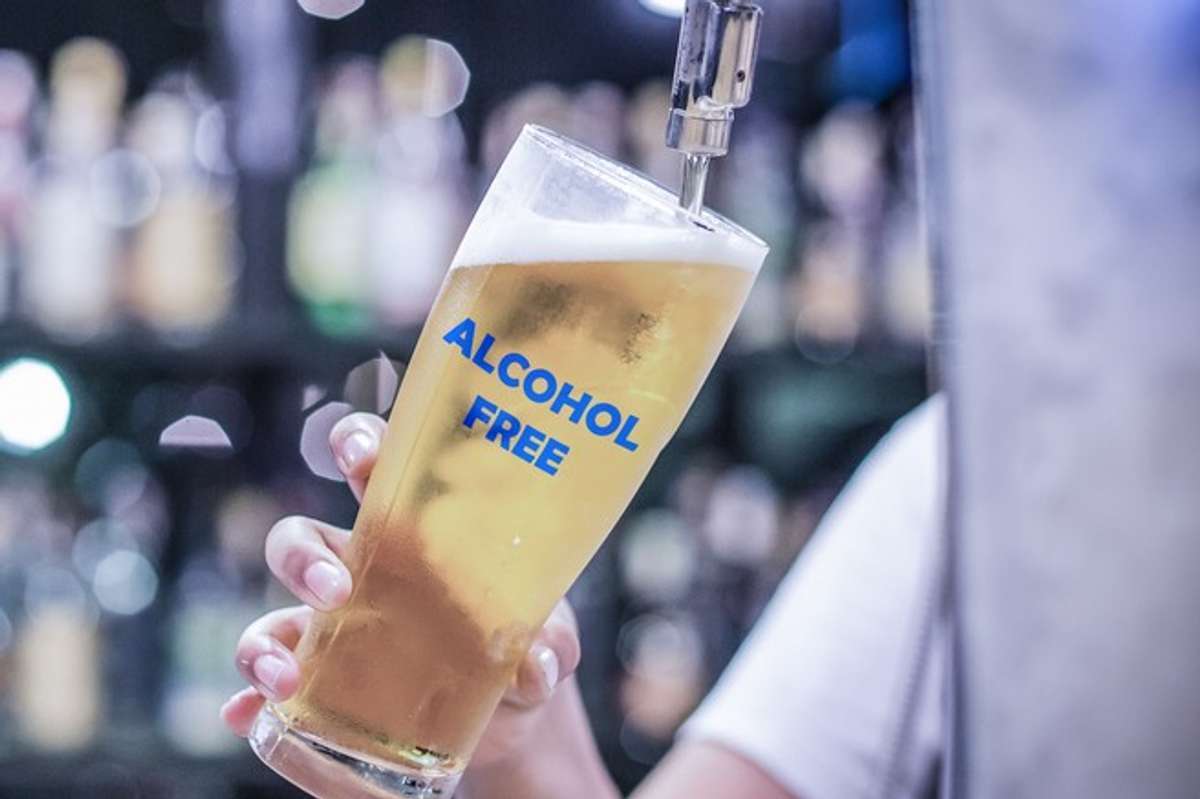
The most common moderation strategy is taking drink-free days during the week (adopted by 71 per cent of drinkers). Additionally, no- and low-alcohol options continue to grow in popularity with nearly half of drinkers (48 per cent) consuming these products as a way to moderate their drinking, up from 44 per cent in 2025.
Practical considerations are also shaping behaviour. Against a backdrop of continued cost of living pressures across the country, a third (34 per cent) of those who moderate say they do so to save money, making it one of the most common motivations, second only to improving physical health (39 per cent).
But heavier drinking is increasing
Despite this increased focus on moderation, the research reveals that heavier drinking and binge drinking are becoming more common. 13 per cent of all drinkers, an estimated 6.3 million people, reported binge drinking at least once per week in the last 12 months, up from 11 per cent in 2025.
Meanwhile, the proportion of drinkers who typically consume four units or less in a typical drinking day decreased from 71 per cent to 67 per cent, while the proportion who typically consume seven or more units increased from 14 per cent to 17 per cent.
The overall increase in consumption appears to be largely driven by older drinkers, who experienced the greatest growth in binge drinking rates. Among those aged 55 and over, the proportion who binge drink at least monthly rose from 20 per cent to 24 per cent.
The trend is also reflected in adherence to the UK Chief Medical Officers’ low risk drinking guidelines of 14 units a week. In 2026, 78 per cent of drinkers reported staying within the guidelines in the seven days prior to completing the survey, down from 82 per cent in 2025 – the first decline following steady improvement from 2018 to 2025.
The research suggests that while many drinkers report taking steps to moderate, certain occasions are commonly associated with drinking more and can make those habits harder to maintain.
Other key findings:
- Just over half (56 per cent) drink more when on an evening or night out with friends
- One in two (51 per cent) say they drink more while on holiday
- A fifth (20 per cent) drink more when the weather is nice
- Nearly one in five (18 per cent) drink more when they have no responsibilities the next day
- One in eight (13 per cent) drink more while attending or watching sporting events