



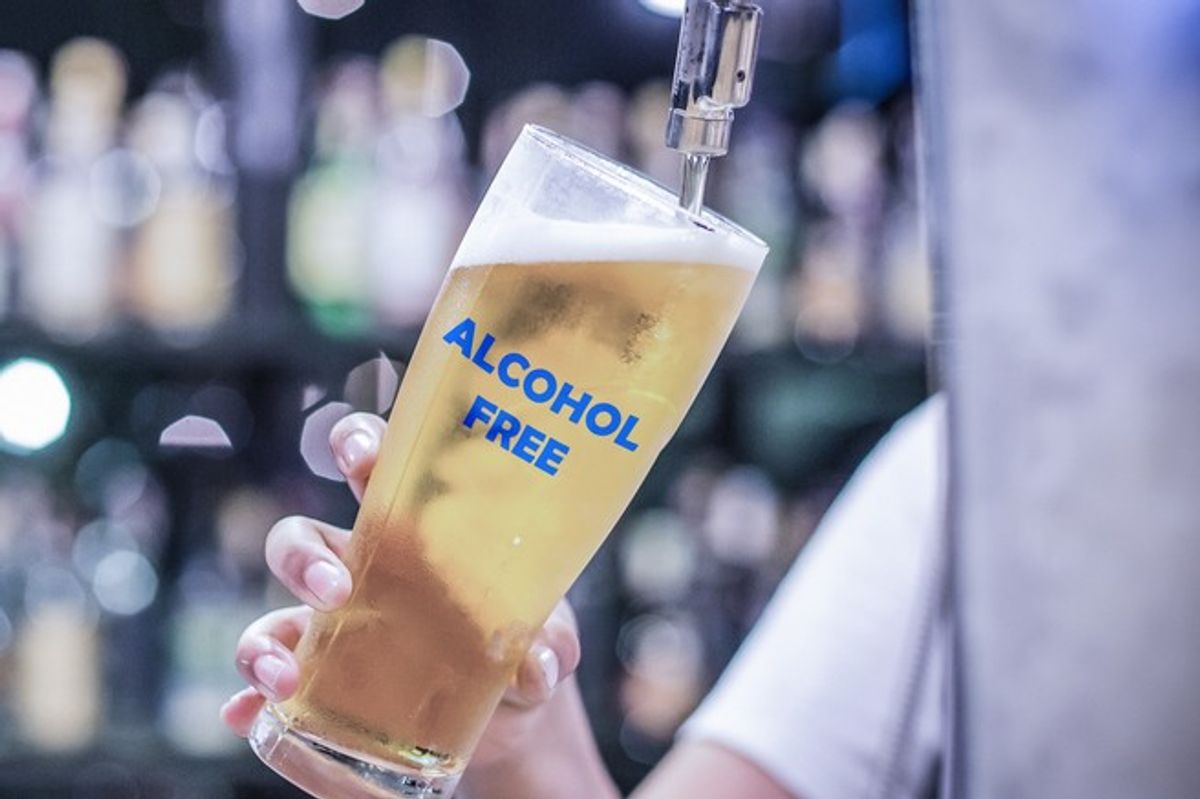

- Nearly a quarter (24%) of alcohol drinkers who have tried low and no alcohol alternatives said that these products have reduced their alcohol consumption.
- More than a third (35%) of UK adults consume up to 5 units of alcohol per week.
- UK adults are more worried about British teenagers vaping, use of illicit drugs and social media than about alcohol and alcohol alternatives.
Most (86 per cent) UK adults either abstain from alcohol or drink within Chief Medical Officer low risk drinking guidelines (up to 14 units per week), with a significant portion of the population embracing low and no alcohol alternatives, shows the Portman Group’s eighth annual survey on low and no alcohol, in partnership with YouGov.
The survey found that 53 per cent of UK adults consume 14 units of alcohol or less per week which includes 35 per cent of adults who are drinking 5 units or less per week. A third of adults (33 per cent) do not drink alcohol at all. Only 11 per cent of adults exceed the Chief Medical Officer’s low risk guidelines.
Among UK adults who drink alcohol, 36% consume low and no alcohol products either regularly or occasionally (i.e. ‘semi-regularly’ which encompasses both regular and occasional drinkers).
Alcohol alternatives continue to be more popular with younger adults, with 43% of 18-24 year olds and 40% of 35-44 year olds consuming them semi-regularly, but there is an upward trend in those aged 55+, with 35% also drinking alcohol alternatives semi-regularly, compared to 25% in 2022.
The results tell us that – for the eighth year in a row - driving home safely from social events remains the top reason for choosing low and no alcohol products (35%), followed by taking part in social activities without drinking excessively (24%) – highlighting how these products support responsible drinking behaviours and help avoid harms such as drink driving and binge drinking.
Nearly a quarter (24%) of current alcohol drinkers who have tried low/no alcohol alternatives report that these products have helped reduce their alcohol consumption – once again highlighting how consumers are actively using alcohol alternatives as tools for moderation.
For the first time, the survey asked UK adults at what age they first tried a low or no alcohol alternative. The results showed that only 7% of adults who have tried low and no alcohol alternatives first tried them before the age of 18 – 4% between 16-17 and 3% aged 15 and under.
Whilst the Government is considering a ban on the sale of alcohol alternatives to under-18s, the industry has been proactive in ensuring the Challenge 25 is implemented across shops and bars to prevent sales to minors. Portman Group guidance also ensures these products are marketed responsibly and only to adults.
The results also show that concerns around teenage alcohol drinking (40%) are much lower compared to concern about teenage use of illicit drugs or vaping (64%), social media use (62%), self-harm (49%), energy drinks (46%), whilst just 9% of adults are concerned about teenagers drinking low and no alcohol alternatives.
This year’s findings underscore a continued shift towards moderate drinking and positive attitudes to low and no alcohol alternatives across all age groups.
Matt Lambert, CEO of the Portman Group, said: “These results serve to demonstrate that a large proportion of UK consumers continue to drink moderately and that low and no products help them to do this. It is for this reason we at the Portman Group continue to champion and support this important and growing sector.
“These figures also help us to understand underage drinking of low and no alcohol products and demonstrate that the industry is proactive in ensuring these products are marketed and sold as alcohol alternatives for adults only.
“It’s good news that UK adults are embracing moderate drinking and low and no alcohol options like never before, showing these products are now a mainstream choice helping people to drink responsibly while still enjoying social occasions.”