



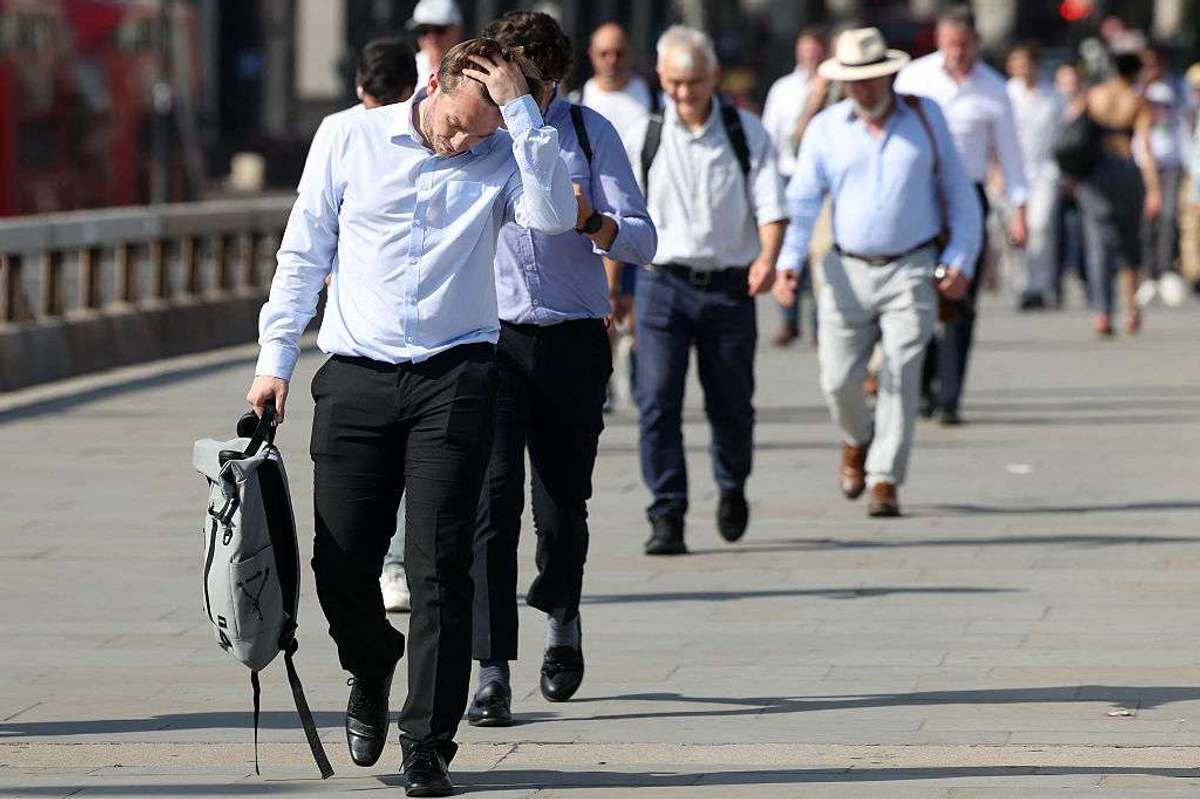

With the Met Office having issued extreme heat warnings and with June record temperatures already easily broken, business leaders are being encouraged to have practical conversations with their staff about what to wear at work and how to stay safe as the summer scorcher continues.
HR and employment law specialists at Citation have issued guidance reminding employers that relaxing dress codes during extreme heat may be a legal obligation, not simply a matter of good people management.
With temperatures expected to exceed 35°C around the country and the "shorts in the office" debate seemingly inevitable, Citation's experts are setting out what the law says, what employers should communicate, and how to do it fairly.
While there is no legal maximum working temperature in the UK, employers who assume that means they have no obligations are mistaken.
Under the Health and Safety at Work Act 1974, heat is classified as a workplace hazard, and Acas guidance is clear that employers facing extreme temperatures should relax dress codes where possible so staff can wear more suitable clothing.
Beyond the formal obligations, there is a straightforward human case for it, too. Asking staff to sit through a working day in formal attire when temperatures are nudging record levels is, at best, unreasonable – and at worst, a health risk.
That being said, any relaxation should be applied with common sense. Where a role carries health and safety requirements – PPE on a construction site, for example, or even protective clothing in a kitchen or warehouse – those rules unfortunately remain non-negotiable regardless of the temperature outside.
But for businesses where those constraints don't apply, the options are broader than employers might assume. An office that normally expects smart business attire could reasonably permit open-collar shirts, linen trousers, and open-toed shoes, whereas a customer-facing retail team might move from a formal uniform to a lightweight branded polo top.
Even in client-facing professional services environments, a sensible approach – lightweight suits, no jacket required, smart shoes over formal heels – can go a long way towards keeping staff comfortable without abandoning standards entirely. The key is that any relaxation is communicated clearly, applied consistently, and proportionate to the conditions.
"A lot of employers hold back on relaxing dress codes because it feels like a grey area, or they worry about setting a precedent,” said Gill McAteer, Director of Employment Law at Citation.
“But when temperatures are pushing record levels, insisting on formal attire can be really uncomfortable for staff – and it may even put you on the wrong side of your duty of care.
“You don't need to throw out the rulebook and introduce new policies; you just need a sensible conversation and a few practical adjustments in order to protect both your staff and your business."
To help businesses navigate these conversations, Citation’s employment law experts have provided five actionable tips:
1. Get ahead of it — don't wait for complaints
Send a brief all-staff message before the hottest days arrive. Acknowledge the forecast, confirm what temporary adjustments are in place, and invite staff to raise any concerns.
2. Be specific about what you're relaxing
Rather than being vague, spell it out. Telling staff that “lightweight clothing including shorts is absolutely fine this week” is more useful than a vague signal that the usual rules are loosened. Where client-facing meetings are scheduled, it's reasonable to flag those in advance so staff can plan accordingly. Also, being clear on the reasons, timescales and specific exceptions will help avoid creating any impression of setting a precedent or allowing more open-ended relaxations.
3. Apply the changes consistently
A temporary dress code relaxation should apply to everyone equally, regardless of role, gender or seniority. Inconsistent application can create grievances and, in some cases, discrimination risks — for example, if men are allowed shorts but women are still expected to wear formal attire.
4. Don't forget vulnerable employees
By law, employers must carry out health and safety risk assessments for anyone who is pregnant, breastfeeding or has recently had a baby. If a risk cannot be avoided or removed, the employer must suspend the person on full pay until the risk has passed. Employees with certain health conditions or disabilities may also need additional adjustments, and this should be factored into risk assessments.
5. Think beyond clothing
Employers should also consider making use of fans if there is no air conditioning system, opening windows, and ensuring sufficient breaks so employees can cool down — as well as access to cold water all day. Remote or hybrid working arrangements, where the role allows, can also make a significant difference during particularly warm days, or to account for the hottest times of the day.