



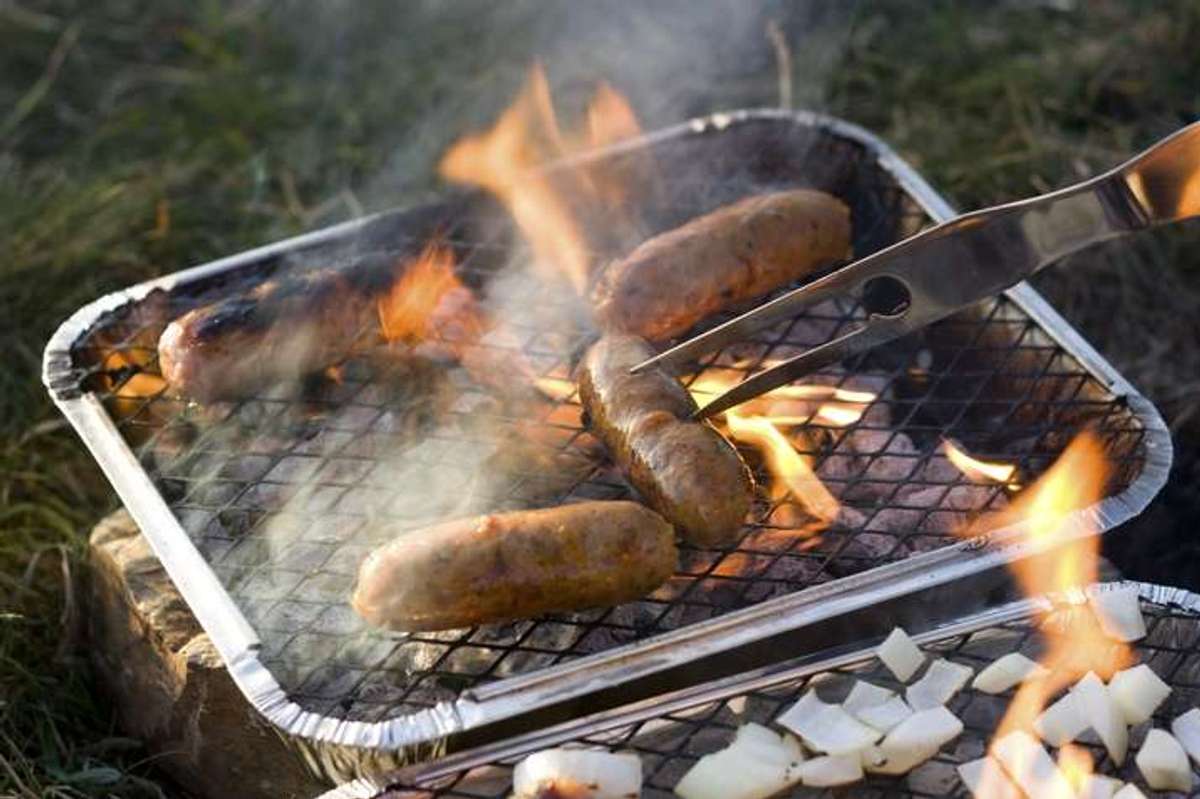

Farmers have urged retailers to stop selling disposable barbecues as Britain faces heightened wildfire risks following months of extreme heat and prolonged drought.
The call comes from the National Farmers Union (NFU), which is pressing for a temporary ban on the sale of disposable barbecues in England and Wales. Firefighters, the Liberal Democrats and several Labour MPs have also backed the proposal as large parts of England brace for another spell of hot, dry weather.
NFU Deputy President Paul Tompkins warned that dry conditions have left crops, grassland and farmland highly vulnerable to fire, with even a single spark capable of causing devastating damage.
"A stray match or single spark, and months of hard work can be wiped out in just minutes; crops destroyed and harvest ruined, vital machinery and infrastructure damaged and livestock put at serious risk," Tompkins said.
He added that beyond the immediate financial losses, wildfires could have lasting consequences for soil health, grassland productivity and the confidence of farm businesses already under pressure.
Stores can legally sell disposable barbecues but many have voluntarily suspended or restricted their sale. Major retailers follow voluntary guidelines from the National Fire Chiefs Council (NFCC) and the British Retail Consortium, pulling them from shelves during hot weather or drought conditions to prevent wildfires.
As part of the proposals, the NFU is calling on retailers to remove disposable barbecues from sale and is urging local authorities to introduce public space protection orders banning the use of barbecues, campfires and camping stoves in high-risk areas.
The pressure on retailers has intensified after Jon Pearce, Labour MP for High Peak, wrote to retailers this week asking them to stop selling disposable barbecues.
Most major supermarkets have already withdrawn the products from their shelves, with some having ended sales several years ago. However, disposable barbecues remain widely available through many independent stores, hardware retailers, DIY outlets and online sellers.
The renewed calls follow one of the UK's worst wildfire seasons in recent years. More than 20,000 hectares of land are estimated to have burned across every region of the UK in 2026.
Recent fires have been reported in the Rhondda Valley in Wales and the Cairngorms in Scotland, while a major blaze in Suffolk spread to within a few miles of the Sizewell B nuclear power station. Earlier this year, significant wildfires also affected the Mourne Mountains in Northern Ireland, areas near Aberdeen and the Brecon Beacons National Park.
Alongside restrictions on barbecue use, Tompkins has called for increased grazing on moorland to reduce vegetation that can fuel fires. However, conservation groups have cautioned against excessive grazing in environmentally sensitive habitats.
The debate has also reignited discussions around land management, with some critics blaming rewilding projects for increasing wildfire risks. Environmental experts have rejected those claims, arguing that well-managed rewilding can improve landscape resilience.
Conservationist Ben Goldsmith pointed to beaver reintroduction projects, which help landscapes retain more water and may reduce the impact of drought conditions.