



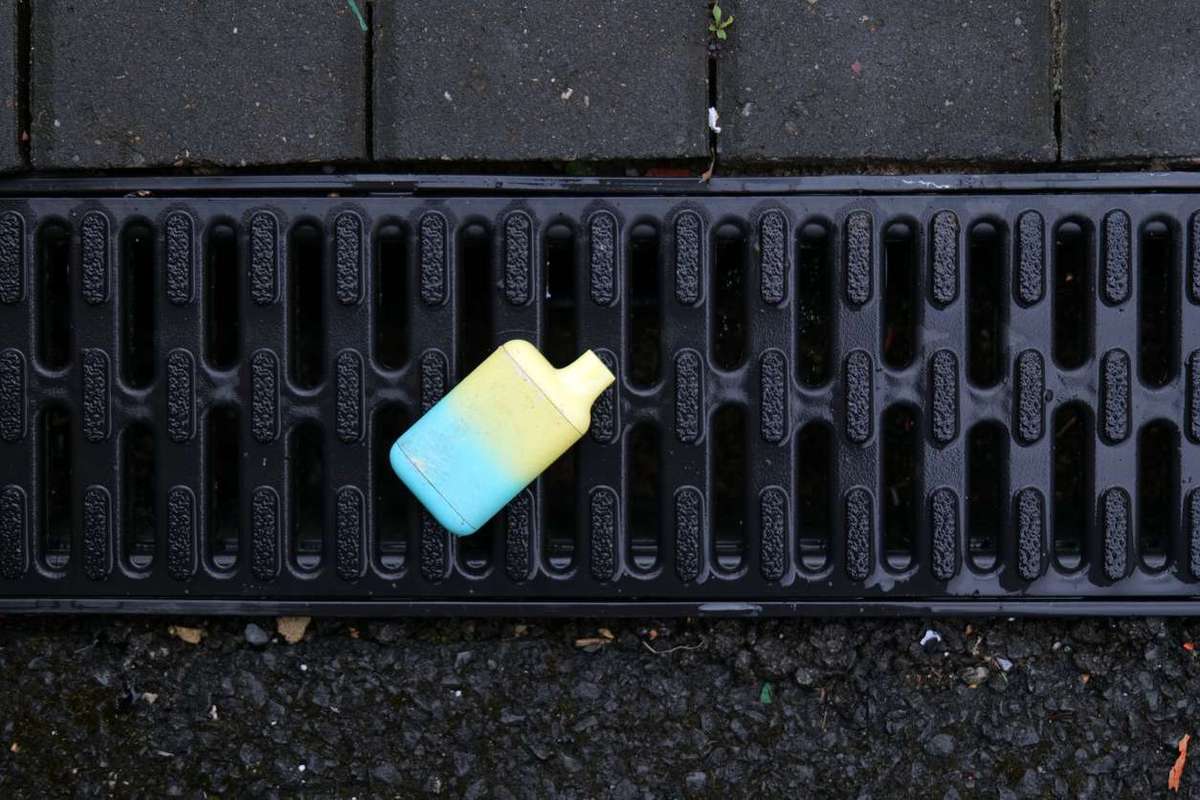

The number of vapes and pods being thrown away each week in the UK has fallen by 23 per cent following the introduction of the single-use vape ban, but millions are still ending up in general waste, according to new research.
Material Focus reports that 6.3 million vapes and pods are now discarded weekly, down from 8.2 million in 2024, indicating the ban has had a measurable impact on disposal levels. However, the organisation warned that the figure remains “a massive waste of valuable materials and a major fire risk.”
Over the past four years, an estimated 1.18 billion vapes have been thrown away, with recoverable materials such as lithium and copper lost. The annual volume of discarded vapes could otherwise power nearly 5,000 electric vehicles.
Waste operators continue to face operational pressures linked to vape disposal. Material Focus cited evidence from Veolia and Biffa, with the former experiencing around one fire per day at its facilities and in vehicles, and the latter dealing with more than 200,000 incorrectly discarded vapes each month.
Battery-related fires in the waste stream have surged to more than 1,200 incidents annually, up 71 per cent since 2022, posing risks to workers, infrastructure and local air quality.
The report, based on Opinium research, also highlights ongoing gaps in consumer awareness and retailer compliance. Nearly half (47%) of vapers said they were unaware that vapes can be recycled, while 80 per cent said there is not enough information on how to do so.
Although the market has shifted towards rechargeable devices since the ban, confusion remains. Around 2.2 million single-use vapes are still being purchased each week, raising concerns about illegal sales or misidentification of products. Overall vape purchases have dropped by 31 per cent year-on-year to 9.4 million per week.
Material Focus executive director Scott Butler said further regulatory measures, including retailer licensing under the proposed Tobacco and Vapes Bill, could help improve recycling rates by mandating takeback schemes and clearer communication.
“Requiring these licensed premises to also offer takeback and communicate this clearly to their customers could have a big impact,” he added.
The research also suggests commercial opportunity for retailers, with 57 per cent of vapers more likely to buy from stores offering recycling drop-off points. Specialist vape shops were found to outperform supermarkets in facilitating returns.
Material Focus is calling for a broader package of measures, including expanded takeback infrastructure, improved on-pack labelling and a nationwide awareness campaign.
Responding to the findings, Gillian Golden, CEO of the Independent British Vape Trade Association, said: "We welcome news that in just 7 months, the single use vape ban has not only reduced the number of vape batteries being placed on the market, but also the amount of waste being produced.
"While a lithium battery and a vape pod are very different in terms of environmental impact and complexity of recycling, more consumers should be returning their used products to recycling points to be dealt with properly. Every vape retailer should be providing take-back bins to enable consumers to do this.
"IBVTA members' shops have always encouraged their customers to vape in the most environmentally friendly and cost effective way. This means more recharging, and refilling, and less disposal of products that can and should be reused many times."