



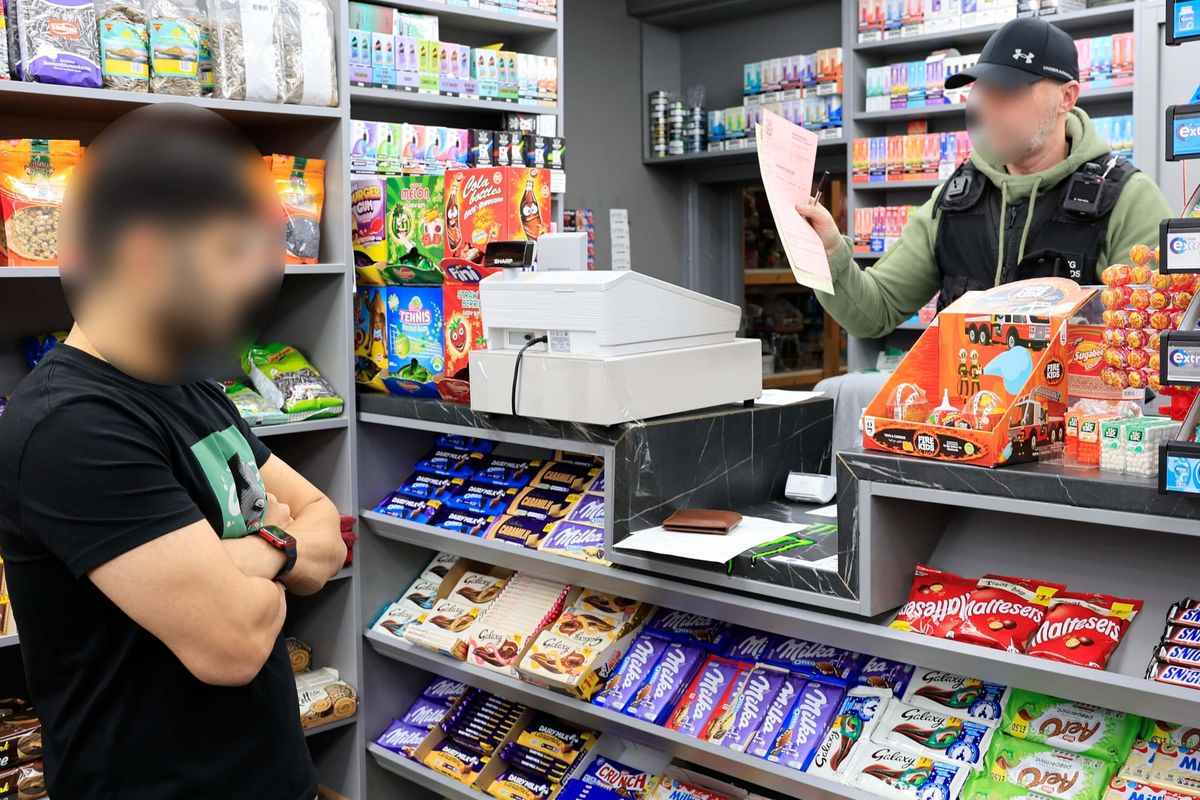

UK councils are failing to adequately enforce existing laws against underage vape sales while compliant retailers face a raft of new restrictions, according to an analysis of Freedom of Information responses by vaping company Riot Labs.
The company said its analysis of 26 responses covering 21 Trading Standards services and 27 councils found that shops were being checked for underage sales only about once every 11 years.
The responses recorded 2,850 underage test purchases over three years, of which 642 resulted in a sale, alongside 6,177 reports of underage or illegal vape selling.
Riot Labs’ findings come as the government consults on new restrictions on vaping products, including standardised packaging, restrictions on device appearance and rules governing where vaping stock can be displayed in shops.
Riot said the consultation contains no proposals for increased enforcement of existing age-restriction laws.
The company said the data showed that more than one in five shops that were tested sold a vape to a child. Nearly three quarters of recorded underage sales took place in convenience stores and other general retail outlets rather than specialist vape shops.
The analysis found significant differences in enforcement between councils. Across 12 authorities where retail premises could be counted, 1,549 test purchases were conducted against 5,625 retail outlets over three years — equivalent to taking around 11 years to test every shop once.
Newham had the highest testing rate, reaching every shop approximately once every three years, while Birmingham would take 26 years and Kent 113 years at the reported rates.
Riot said councils received more than five reports of underage or illegal vape selling per day, but nine authorities were holding 2,750 reports between them without a record of what happened subsequently. Six of the 60 service-years covered by the dataset recorded no test purchasing.
The company contrasted this with food hygiene enforcement, where the statutory Food Law Code of Practice requires even the lowest-risk food premises to be inspected at least once every three years.
Riot also pointed to evidence that enforcement can improve compliance. Birmingham’s retailer inspection programme found non-compliance fell from 72 per cent to 42 per cent within a year as advisory visits were replaced by enforcement visits. The city also seized almost £10 million of illicit goods in a single year, including more than 200,700 illegal vapes.
Ben Johnson, chief executive of Riot Labs, said the proposed rules risk placing additional burdens on retailers already complying with existing requirements.
“The retailers reading this are the ones who check ID at the door and train their staff, and they are about to be handed seven new rules while the operators actually selling to children get visited once every eleven years,” he said.
“We do not need new laws on vaping. We need to enforce the ones we already have.”
Riot is calling for the retail licensing scheme provided for under the Tobacco and Vapes Act 2026 to be brought into operation, with licences capable of being revoked for breaches. It also wants a statutory minimum frequency for test purchases, a national standard for recording enforcement outcomes and licence fees to fund enforcement activity.
The company is additionally seeking an adult-only specialist vape-shop licence category with controlled-display rights.
Riot Labs has also launched a Save Vaping campaign ahead of the consultation deadline on 2 October. Its free online portal guides retailers through submitting a response to the government consultation, writing to their MP and contributing to the company’s “Relapse Register”, which records accounts from adult ex-smokers who say the proposed restrictions could put them at risk of returning to cigarettes.