



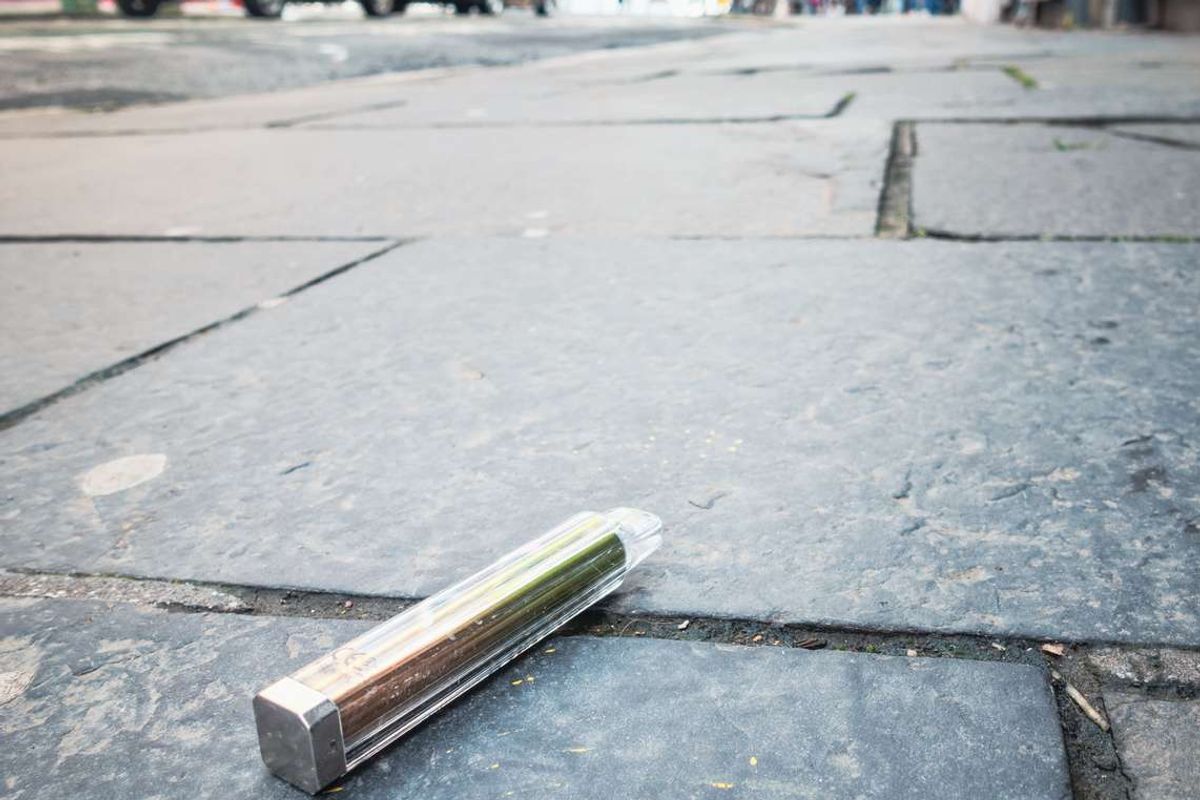

Waste and recycling industry leaders have called for the introduction of a mandatory vape deposit scheme, arguing that financial incentives are needed to tackle the growing problem of improperly discarded vaping devices and the fire risks they pose.
The calls come as waste management company Biffa and the Environmental Services Association (ESA) step up pressure on policymakers to introduce a UK-wide deposit system that would encourage consumers to return used vapes for recycling.
Under the proposed scheme, customers would pay a deposit when purchasing a vape and receive the money back – or have it deducted from a future purchase – when they return the used device to a designated collection point.
According to a BBC report, waste companies are calling for a deposit of up to £5 per vape to encourage proper disposal and recycling.
Speaking to the BBC, ESA head of recycling policy Patrick Brighty said the current system was failing to prevent large numbers of vapes from entering the general waste stream.
“Despite the ban, each week operators across the waste sector continue to see hundreds of thousands of carelessly discarded vapes arrive at their facilities hidden among other waste, which poses a major fire risk,” Brighty told the broadcaster.
“Vapes discarded with other rubbish are also unlikely to be recycled, which is a chronic waste of the precious materials they contain.”
Brighty added that existing take-back and recycling infrastructure was “currently underperforming” because there was little incentive for consumers to use it.
Last week, Material Focus said more than six million vapes are still being discarded every week, despite the UK’s ban on single-use devices coming into force a year ago.
Vape retailers are already required to offer take-back and recycling services, but campaigners argue that the system remains ineffective because it is often easier for consumers to throw devices away with household waste or recycling.
Biffa has also been vocal in its support for a deposit return model, citing the growing number of fires linked to incorrectly disposed vapes.
In an ITV interview from the company’s Aldridge site, Luke Walter, Biffa regional manager, highlighted the operational disruption and safety risks caused by fires sparked by lithium-ion batteries contained in discarded vapes.
The company cited research showing that while 66 per cent of people are aware that vapes can cause fires if disposed of incorrectly, only 38 per cent return them to stores. It also found that 85 per cent of consumers would change their behaviour if there was a financial incentive to do so.
Carla Brian, Biffa’s public affairs and partnerships director, told the BBC: “We want a consumer behaviour change... And we think an incentive is the way to do that.”
The ESA said a deposit scheme would be a fair, efficient and cost-neutral way to encourage consumers to use existing take-back infrastructure while helping to distinguish between legal and illegal vape sales.
However, the organisation acknowledged that any scheme would need to be carefully designed to avoid unintended consequences and should be supported by robust enforcement measures to tackle the illicit vape market.
The association said it was keen to work with its members, stakeholders and the vaping industry to develop a system that would prevent millions of vapes from going to waste each week without increasing costs to the wider public.