



The government is consulting on plans to hide vaping products from view, impose plain packaging and restrict how flavours and devices can be presented. For Britain’s convenience retailers, these proposals could mean substantial new costs and disruption.
Retailers have until 2 October to tell the government what these proposals would mean for their businesses. If you sell vaping products, now is the time to respond to the consultation and explain the practical impact at shop level.
The consultation is not simply asking whether people support reducing youth vaping. It asks for views on the regulations that will determine how vaping products can be packaged, displayed and sold. Retailers are specifically invited to respond.
And the potential cost should concern every independent shopkeeper.
Our analysis estimates that vape display restrictions alone could cost retailers more than £330 million, once the additional staff time required to retrieve products, explain hidden ranges and complete slower transactions is taken into account. That could amount to as much as £3,500 per shop.
Whitehall may regard an extra few minutes at the till as trivial. A convenience retailer running on tight margins probably won’t.
Vaping is also very different from cigarettes from a retail perspective. A tobacco gantry contains a relatively limited range of familiar products. Vape retailers may stock dozens of flavours, different nicotine strengths, devices, pods and refill systems.
Apparently, once all of that is hidden behind a cupboard door, customers will not magically stop wanting to know what they are buying.
In reality, they will ask the person behind the counter.
That means longer transactions, more staff time and potentially longer queues.
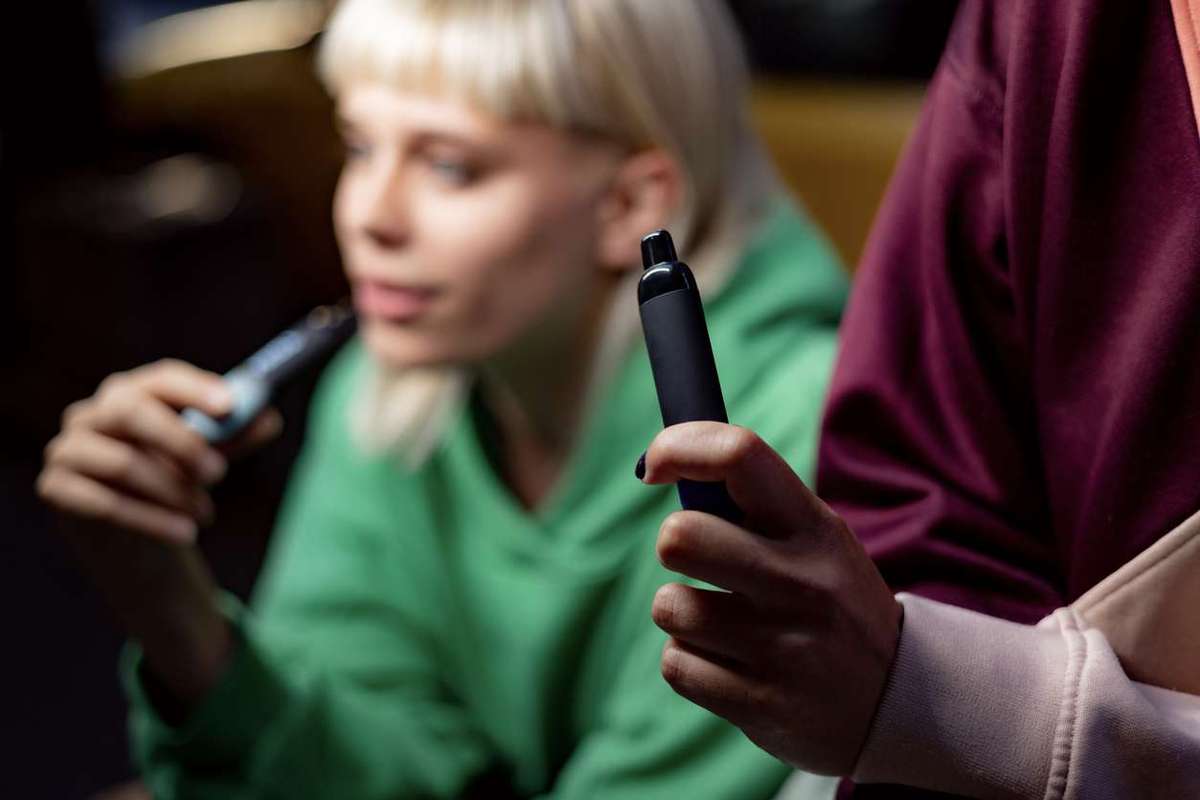
 The government's consultation on new rules for vaping products includes introducing plain packaging. Photo: iStock
Plain packaging creates another burden. Retailers would have to manage the transition between old and new stock, learn newly standardised product ranges and help customers distinguish between products deliberately designed to look increasingly similar.
There is a slightly worrying habit developing in British politics: announce something that sounds tough, attach a public-health justification to it, and worry about the evidence and the bill afterwards.
Ministers argue that these restrictions are needed to make vaping less attractive to children. Protecting children is plainly a legitimate objective. But the question retailers should be asking is whether these particular measures will achieve that objective sufficiently to justify their cost.
Selling vapes to under-18s is already illegal. Rogue retailers prepared to sell illegal products or sell to children are, by definition, already willing to ignore regulation.
That is the strange logic at the heart of these proposals: ministers are designing ever more elaborate rules for the retailers who already follow the rules, while the people selling illegal vapes to children are unlikely to lose much sleep over the colour of the packaging.
Responsible convenience retailers are therefore entitled to ask why so much of the compliance burden is falling upon them.
This is especially important because the government is not making minor adjustments around the edges. The Tobacco and Vapes Act has created powers for significant new restrictions across packaging, appearance and retail display, and ministers are now deciding exactly how those powers should be exercised.
That is why retailer responses matter.
If hiding products would require expensive new cabinets, say so. If transactions will take longer, explain why. If staff will need additional training, quantify it where possible. If you believe customers will simply migrate towards illicit sellers or that you will reduce the range you stock, tell the government.
If ministers genuinely want evidence, retailers should give them some. Not another campaign slogan or modelling assumption, but the reality of what these rules will mean at the till.
Consultations should not be dominated solely by campaign groups and officials discussing theoretical benefits. Ministers also need to hear from the people who will actually have to implement the rules.
The consultation closes at 11:59pm on 2 October. If the government wants to know what these proposals will cost retailers, tell them. Silence will inevitably be interpreted as acceptance.
 Mark OatesPhoto: Handout