




The Local Government Association (LGA) has called for the government to introduce vape retail licensing promptly, warning that councils need a register of premises to effectively enforce forthcoming tobacco and vape regulations.
The call came as part of the LGA’s response to the government’s consultation on tobacco and vape packaging, appearance and display, which ended on Friday, 2 October, with councils warning that the new rules will bring additional enforcement responsibilities and costs.
The LGA said retail licensing should be introduced promptly to support enforcement, arguing that without a licensing system councils would face a new inspection burden while having no register of the premises they are expected to inspect.
It also called on the government to ensure that the additional costs faced by councils are fully funded through a recurring settlement. The LGA said Trading Standards services have experienced funding reductions of close to 50 per cent over the past 15 years.
Alongside licensing, the LGA is calling for the new rules to be drafted tightly enough to prevent manufacturers from finding ways around restrictions on the appearance and marketing of vape and tobacco products.
It warned that companies could exploit “loopholes and flavour tricks” to continue making products appealing to children.
What the LGA wants
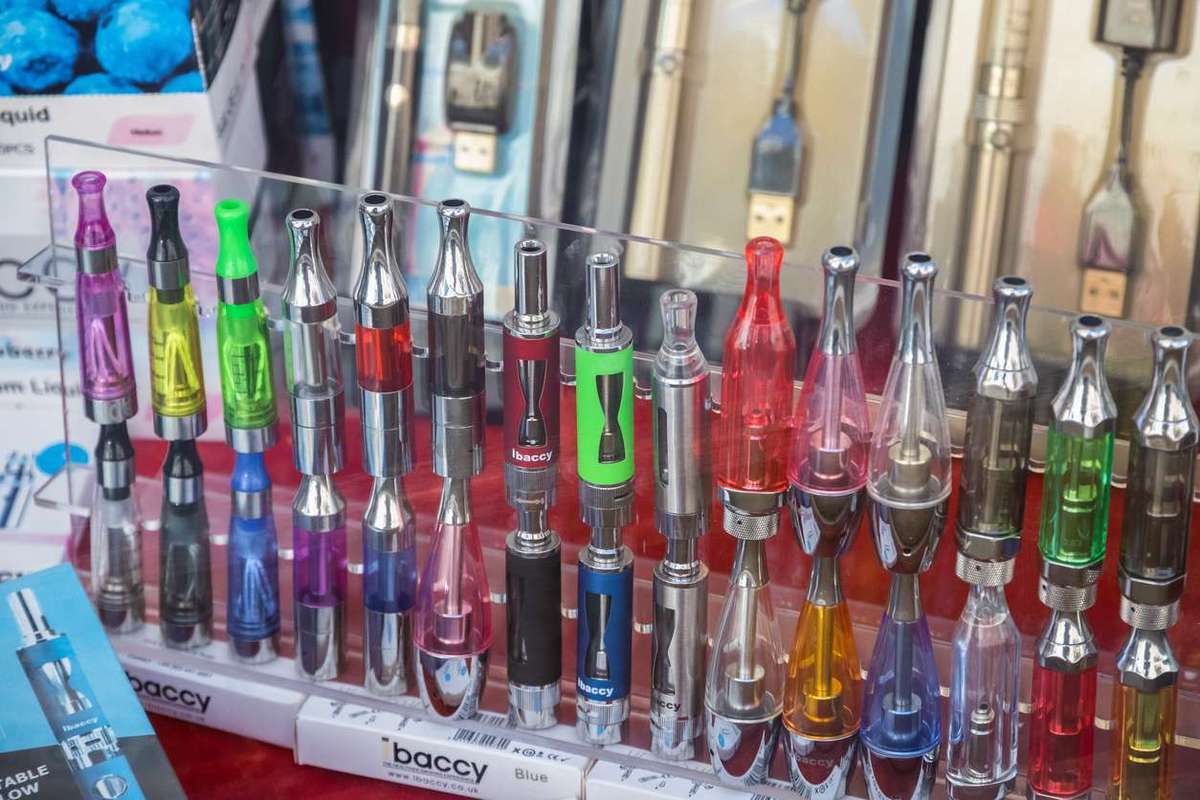
- Tighter vape display restrictions: The LGA supports restricting the display of vaping and nicotine products, with products not displayed by default and only shown when specifically requested.
- Mandatory standardised signage: It wants a single, mandatory form of signage indicating that vapes are sold as a stop-smoking aid for adults, rather than leaving retailers to create their own notices.
- Restrictions beyond the pack: The LGA wants restrictions on branding, imagery and flavour descriptors to apply to online listings, in-store price lists and shelf labels, as well as packaging.
- White packaging: It supports restricting vaping and nicotine product packaging to white, while calling for the government to review the policy against evidence from other countries.
- Closed list of flavour descriptors: It wants a closed list of permitted flavour descriptors, rather than simply banning certain terms, and wants rules to prevent codes, numbers, colour names and invented words being used as alternative flavour identifiers.
- Tighter tobacco-related display rules: It supports restrictions on the display of cigarette papers, heated and other tobacco-related devices and herbal smoking products, including requiring requested temporary displays to take place behind the sales counter.
- Six months' notice for display changes: The LGA says six months is workable for retailers, but wants enforcement guidance published at the start of the period and a national business support package, saying display changes could represent the largest one-off cost for small independent retailers.
- A single sell-by date for packaging changes: For new packaging requirements, it supports at least 12 months' implementation but wants a single hard sell-by date rather than a manufacture-by date, so Trading Standards officers can determine compliance from stock on the shelf.
Among its other recommendations, the LGA wants plain packaging extended to all tobacco products, herbal smoking products and cigarette papers, including filters, and supports extending display restrictions to cigarette filters, cigarillos and small cigars.
It also opposes retaining the proposed specialist tobacconist display exemption, unless it is tightened with a clear evidential test and verification through the future licensing scheme.
Cllr Dr Wendy Taylor, chair of the LGA’s Health and Wellbeing Committee, said the measures would only succeed if they were “straightforward to enforce” and supported by sustainable funding for Trading Standards.
“Reducing the appeal and visibility of vapes, tobacco and nicotine products to children through tighter controls on flavours, packaging and promotion, is a vital step in tackling the concerning rise in youth vaping,” she said.
However, the LGA also acknowledged the role of vapes in helping adult smokers quit. It supports an exemption from display regulations for pharmacies and wants this extended to stop-smoking services and NHS inpatient and outpatient settings where conversations about switching take place.
The LGA said this should be accompanied by further investment in local smoking cessation services.