



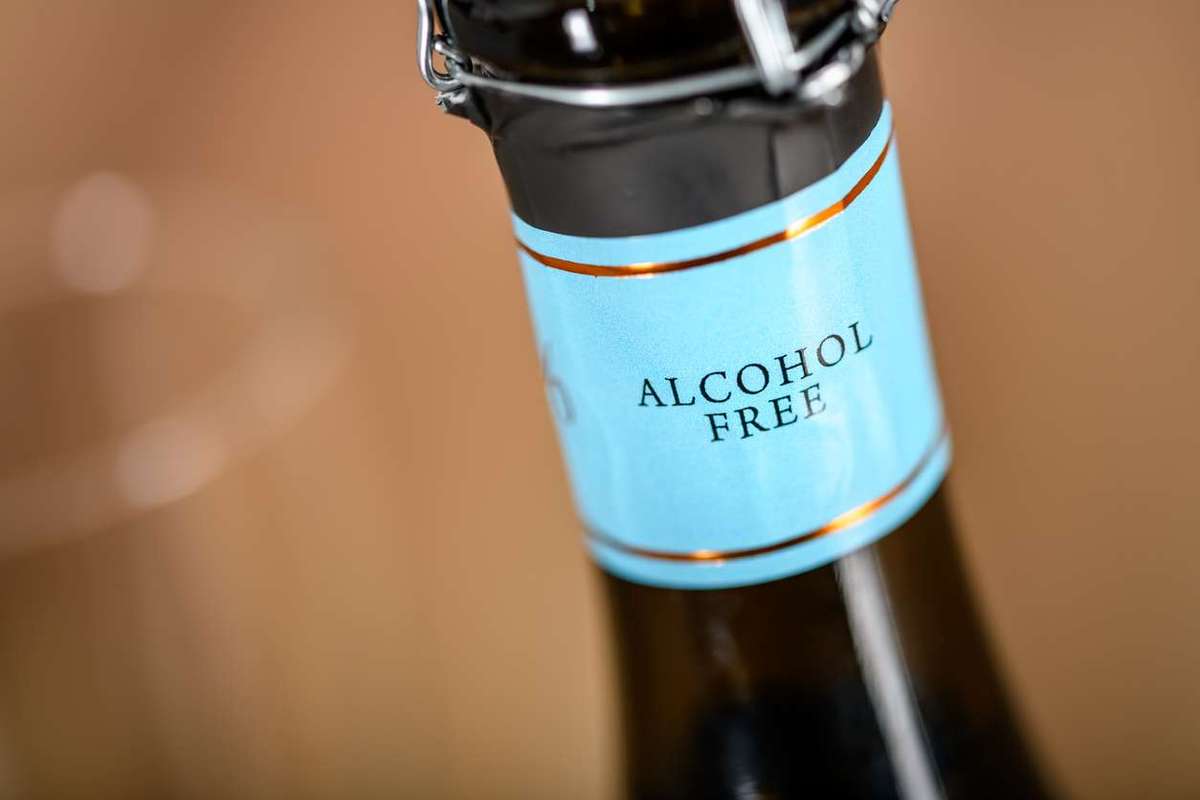

The UK's no-alcohol wine market grew by 15 per cent between 2019 and 2024 as younger consumers increasingly embrace moderation and wellness-focused drinking habits, according to new research from IWSR.
The market intelligence group's Opportunities in No- and Low-Alcohol Wine 2025 report found that all eight major wine markets it tracks recorded volume growth in no-alcohol wine over the five-year period, with the UK posting one of the strongest performances among established markets.
The UK's 15 per cent compound annual growth rate was surpassed only by Canada (27 per cent), Japan (26 per cent), the US (23 per cent) and Australia (18 per cent), while more mature European markets including France, Germany and Spain recorded single-digit growth.
IWSR said moderation has become a powerful force shaping consumer drinking habits, driving demand for alternatives to full-strength alcoholic drinks.
"Driven by health awareness, wellness-focused lifestyles and shifting social norms, many consumers are choosing to drink less alcohol while still seeking suitable alternatives for everyday and social occasions," said Susie Goldspink, head of no- and low-alcohol insights at IWSR.
"Rather than abstaining completely, most are blending no-, low- and full-strength options, depending on the occasion."
The report found younger consumers are increasingly driving category growth. Across the eight markets studied, 60 per cent of no- and low-alcohol wine buyers are either Gen Z or Millennials. In the UK, that figure rises to 67 per cent.
Millennials currently represent the largest share of no- and low-alcohol wine buyers across most markets, although Gen Z participation has increased significantly since 2022, including in the UK.
According to IWSR, the category is now entering a new phase of development, with growth increasingly being driven by existing consumers purchasing more frequently rather than by recruitment of first-time buyers.
Despite the positive momentum, challenges remain. Consumer preference for full-strength wine continues to be the biggest barrier to purchase in most markets, while concerns around taste and competition from other no- and low-alcohol categories also continue to limit growth.
The report notes that no- and low-alcohol wine remains significantly smaller than the no-alcohol beer category, although producers are investing heavily in innovation to improve product quality and better replicate the traditional wine-drinking experience.
Most new product launches are occurring within the sparkling wine segment, while consumers are increasingly seeking products that offer authentic taste, food-pairing potential and a sense of occasion rather than simply serving as an alcohol-free substitute.
IWSR said improving quality, clearer category positioning and greater availability would be key to unlocking future growth.
"Beer continues to dominate the no-alcohol space in particular, but wine is benefitting from increased investment and innovation, strengthening its position within the category," said Goldspink.
"While affordability continues to be important, a growing number of consumers are willing to pay more for quality no- and low-alcohol wine, reflecting increasing confidence in the category."