



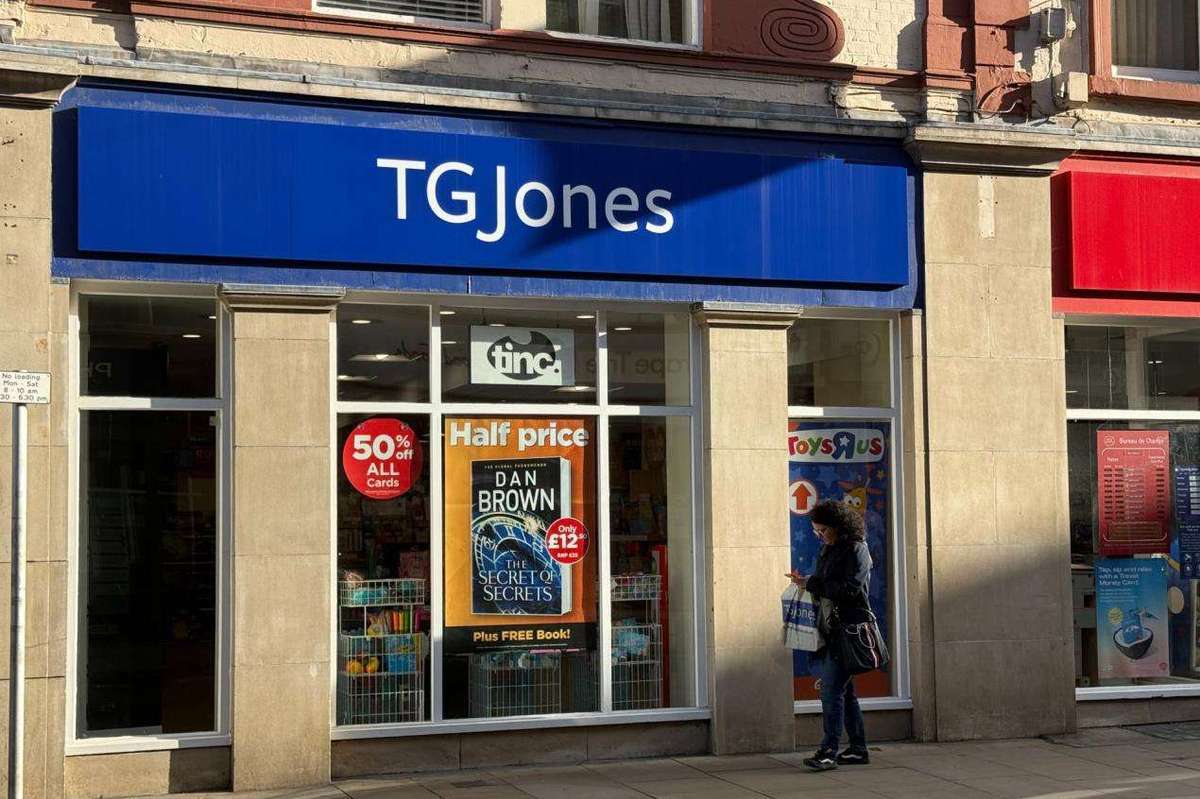

The decline of the great British newsagent, predicted in Parcelhero's influential 2016 report, “The death of the High Street”, has been confirmed with grim regularity in the decade since. Chain after chain that once anchored the newsagent, stationery and greetings card trade has gone into administration, been broken up, or been swallowed by a bigger rival – and even the survivors are struggling to convince anyone, including the courts, that they have a secure future.
The author of Parcelhero’s High Street report, David Jinks M.I.L.T., says the pattern is now impossible to ignore: “When we published our 2016 report on the impact of e-commerce on the High Street, we said even the 230-year-old WHSmith name could disappear from Britain's High Streets, and that colouring books alone wouldn't save it.
“That's exactly what's happened. WHSmith's High Street stores were sold off and rebranded as TG Jones, and the new business has already needed a High Court-approved rescue plan just to stay afloat, closing around 150 of its 450 stores in the process. Even the judge who approved that rescue earlier this summer wasn't convinced it would work, warning the turnaround plan had ‘all the hallmarks of an adventurous equity play’ and reflected ‘generic aspirations’ rather than a concrete path to success.
‘That's just the latest chapter. It follows years of the same story playing out across the sector, at Paperchase, at Clintons, at McColl's. Britain's newsagents and stationers have been under sustained pressure for the best part of a decade, and there's no sign of it letting up.
A sector in freefall
“TG Jones's troubles are far from an isolated case,” said Jinks. The greetings card and stationery sector as a whole has been in near-constant crisis since Parcelhero's report a decade ago:
- Paperchase collapsed into administration in January 2023. Tesco bought only the brand and intellectual property, not a single one of its 106 stores, and Paperchase cards are now sold from supermarket shelves rather than standalone shops.
- Clintons, once a 332-store, 2,500-staff High Street institution, has been through prepack administration and repeated rounds of restructuring and store closures since 2019, and now operates from a fraction of its former estate under yet another private owner.
- McColl's, the convenience store and newsagent group trading as R S McColl and Morrisons Daily, went into administration in 2022. Morrisons bought the business, closed a swathe of stores, and the McColl's name has now disappeared from Britain's High Streets entirely.
“Every one of these businesses tells the same story,” explains Jinks. “A once-familiar High Street name goes into administration or restructuring, a bigger player buys the brand or the stock rather than the shops, and the physical stores – and the jobs that went with them – simply disappear. Even where a chain survives, like TG Jones, it survives as a smaller, weaker shadow of what it was.”
Newsagents feel the squeeze hardest
Parcelhero has now released a new report on the state of the High Street, ten years on from our original study. “2030: The High Street Fights Back?” unfortunately has little more positive news for the sector. It shows independent newsagents are still being squeezed from every direction. Cover prices for newspapers and magazines have risen by more than 138 per cent over the last decade, while independent retailers must still pay wholesale carriage charges – typically £75 to £80 a week. That leaves many newsagents earning a profit margin of just 15 per cent on the publications that once anchored their business.
‘Insurer Simply Business has placed newsagents and stationers fifth on its list of the UK's most endangered business types, predicting the trade could be extinct on the High Street by 2035.
‘It isn't just the big chains; independent corner-shop newsagents have been decimated since 2016, squeezed by rising wholesale prices, punishing carriage charges and wafer-thin margins that make it almost impossible to turn a profit on the papers and magazines that used to be their bread and butter. When a chain the size of TG Jones is struggling to convince a High Court judge it has a viable future, what hope is there for the independent newsagent on the corner?
‘Parcelhero's full analysis of the pressures facing newsagents, stationers and the wider High Street, can be read in the report "The High Street Fights Back?"