



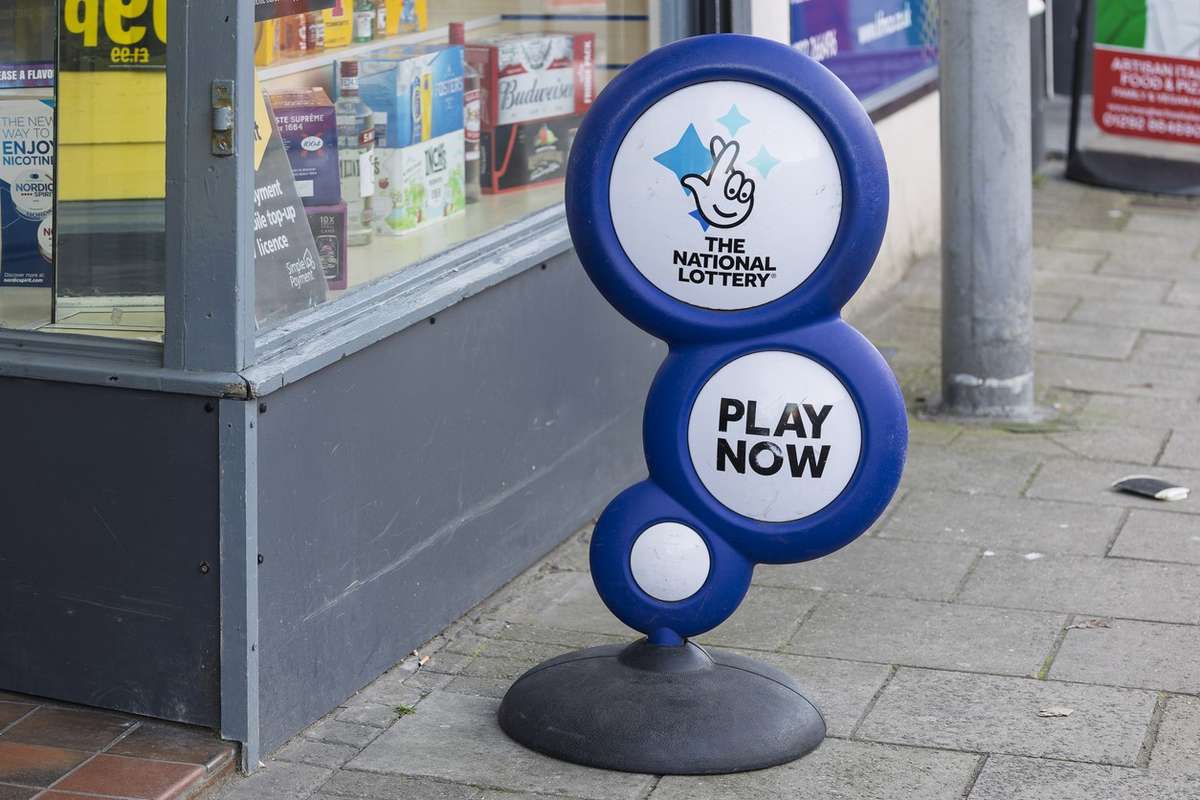

The government has launched the first major review of National Lottery Good Cause funding in more than two decades, inviting the public to help shape how billions of pounds raised through ticket sales are distributed, as Culture Secretary Lisa Nandy criticised the current system for overlooking small, grassroots organisations.
The government on Wednesday (1) launched the comprehensive review of National Lottery Good Cause funding, asking the public to have their say on where the money should go and how it should be spent - the first opportunity in more than twenty years.
Launching first review on money is spent in two decades, Nandy said the model governing how lottery money is spent needs to be changed.
“The National Lottery is played by millions of people every single week. It is not just public money, it is literally the public’s money and they must be in the driving seat of how it is spent.
But for two decades no government has asked people how they want their money to be spent. Decisions are made hundreds of miles from communities who know best and favour larger organisations who can meet the needs of the system, rather than bending the system to work for the small, grassroots organisations who are the lifeblood of our communities," she said.
"This Government is determined that will change. With this consultation we are bringing people back into the conversation. They will write the next chapter in the story of the National Lottery and of our country."
The lottery has collected more than £53bn for good causes since 1994. About 23p in every pound spent on a ticket goes to these causes.
At present, funding is divided into four areas: arts and culture, sport, heritage and community. The list of bodies tasked with distributing the money is set down in legislation but their grant decisions are independent from the government.
Funding has supported everything from the Team GB Olympics and Paralympics teams, to the film Billy Elliott and local youth clubs and community hubs.
The 12-week consultation will invite the public and interested organisations to offer an opinion on whether this model should change, the first review of its kind since 2002.
The right to operate the national lottery franchise was held by Camelot until 2022, when Allwyn, which is ultimately owned by the Czech billionaire Karel Komárek, became the first company to wrest the contract away.
Allwyn has said it aims to double good cause funding to £60m a week by the end of its licence in 2034 but has so far struggled to keep up the pace required to meet the target.
The latest figures from 2025 show that the National Lottery generated over £8 billion in total revenue from ticket sales, of which good cause funding equated to at least £1.7 billion.
Andria Vidler, Chief Executive of Allwyn UK, operator of The National Lottery, said: "People don’t just play The National Lottery for the chance to win, they play knowing that it supports a vast number of charities and good causes up and down the country, funding the things that people really care about.
"At Allwyn, we want everyone to know the difference that our players make to their communities every time they play. It’s about reigniting the conversation around The National Lottery with positivity, with energy, and with pride, reminding everyone that every ticket is a chance to do some good as well as a chance to win."
The 12-week call for evidence is open to players, organisations, and communities across the UK. The government wants to hear what is working, what could be improved, where future funding should go, and how to make it easier to access, including how to make sure the National Lottery genuinely reaches those communities most in need and gives local people a greater say in how funding is used where they live.