



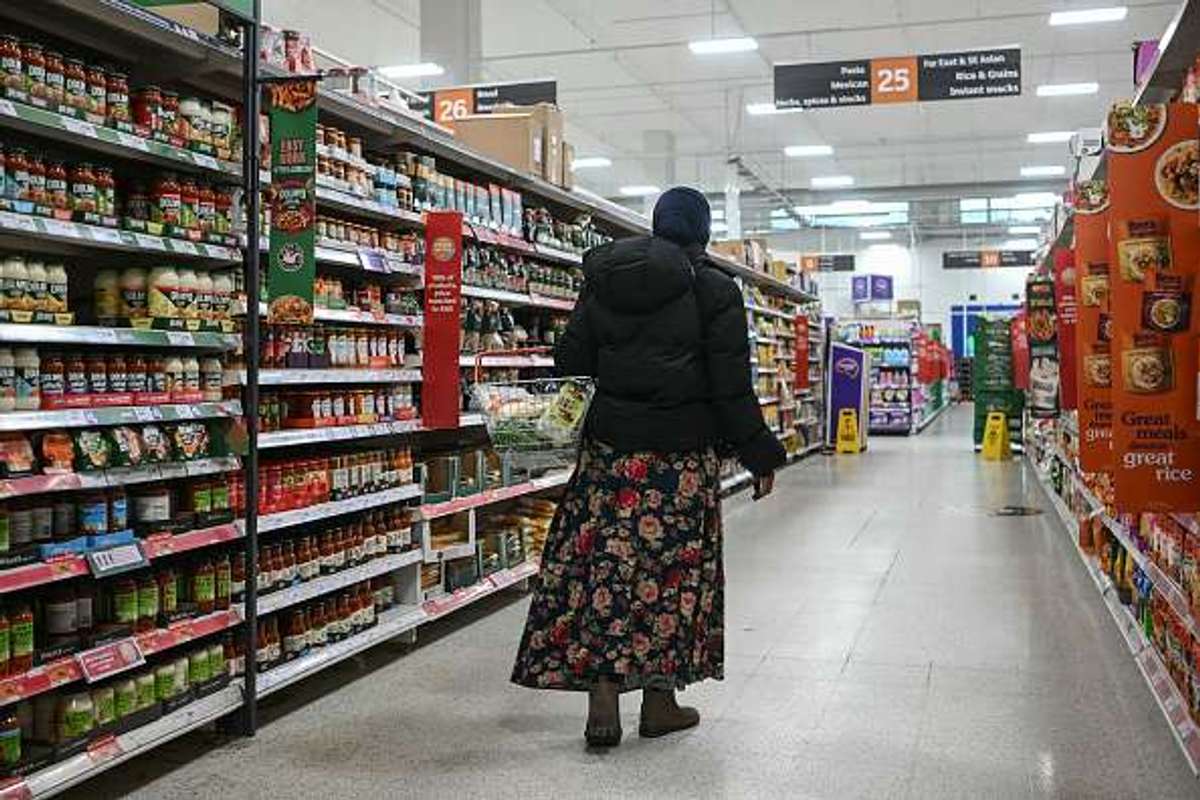

Inflation in the UK has risen for the first time in five months to 3.4 per cent in December, according to official figures released today (Jan 21), majorly driven by higher alcohol, tobacco and food prices as well as hikes in air fares.
According to Office for National Statistics, inflation rose to 3.4 per cent while food and non-alcoholic beverages inflation touched 4.5 per cent. Alcohol and tobacco recorded 5.2 per cent inflation in December.
After today’s CPI figure, Chancellor Rachel Reeves pledged that 2026 would be the “year that Britain turns a corner” on inflation.
“My No 1 focus is to cut the cost of living,” she said.
“At the budget I announced £150 off energy bills, a freeze to rail fares for the first time in 30 years, a freeze to prescription charges for the second year running, and an increase to the national minimum and living wage.”
Despite December’s rise, inflation is still expected to fall overall in 2026, having been on a downward trajectory since September’s 3.8 per cent reading. The Bank of England expects inflation to near the 2 per cent target by the middle of this year.
Commenting on today's figures, Harvir Dhillon, Economist at the British Retail Consortium, said, "Headline inflation took an unwelcome rise at the end of year, primarily driven by increases in food inflation and transport costs.
"Across retail, there was a mixed picture for shoppers. The slowdown in the housing market led to more extensive promotional activity in furniture and household equipment, which pushed prices deeper into deflation.
"However, with food inflation climbing to 4.5% and wage growth slowing, households are still feeling the squeeze. There was some respite for shoppers with the price of some breakfast items such as yoghurt, jam and honey falling on the month.
"Headline inflation has been slow to fall from its summer peak and remains higher than at the start of the year. Within retail, this reflects the high costs currently buffeting businesses, including NI, labour costs, and packaging taxes, all of which have pushed up costs.
"Government must not be complacent about inflation; if incoming regulations, such as the Employment Rights Act, increase costs further, this will be felt by consumers – not only in higher prices, but from the knock-on impact to jobs, which have already fallen significantly over the past year."