



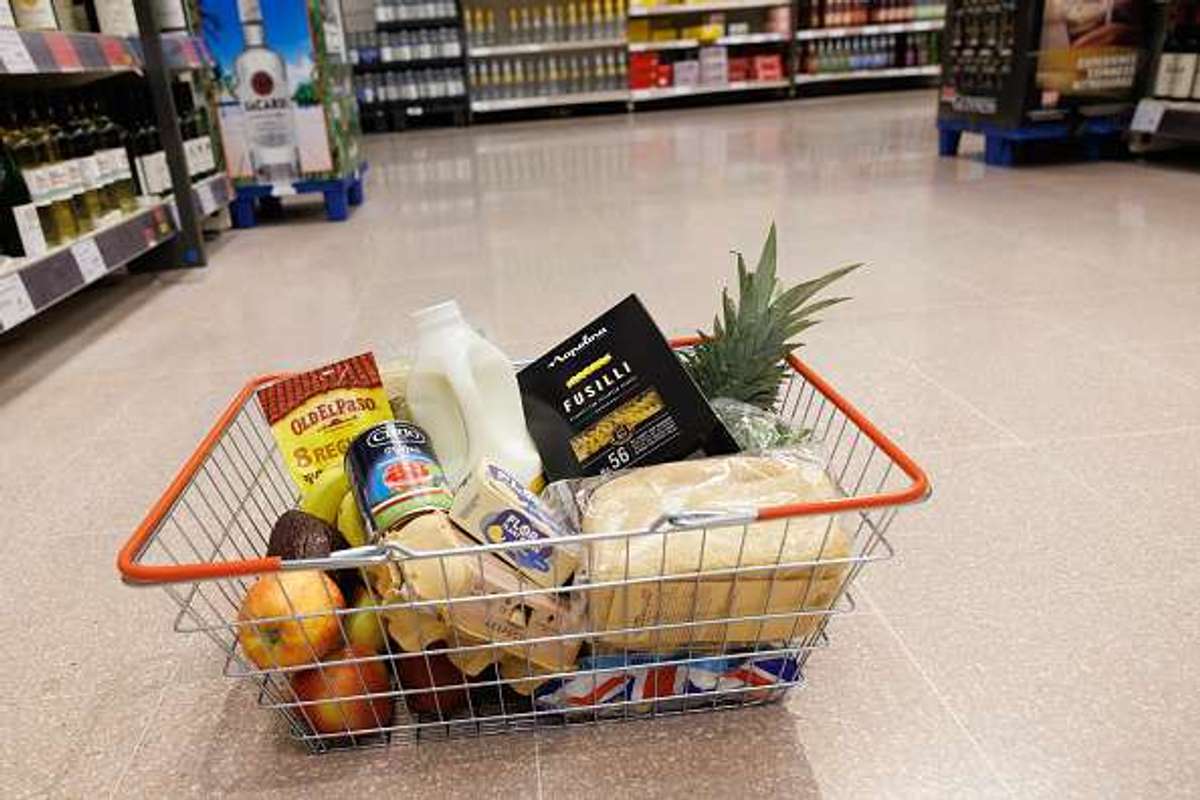

Food inflation has dropped to its lowest level in nine months, easing the cost of living squeeze on households, shows the data released today (Feb 18).
The ONS reports that food and non-alcoholic beverages prices rose by 3.6% in the 12 months to January 2026, down from 4.5% in the 12 months to December 2025
On a monthly basis, food and non-alcoholic beverages prices fell by 0.1% in January 2026, compared with a rise of 0.9% a year ago.The ONS reports that price fell month-on-month in six food categories, including bread, meat, and dairy products.
- bread and cereals – down 0.04 percentage points
- meat – down 0.02 percentage points
- milk, cheese and eggs – down 0.01 percentage points
- food products not elsewhere classified – down 0.01 percentage points
- coffee, tea and cocoa – down 0.01 percentage points
- mineral waters, soft drinks and juices – down 0.01 percentage points
Responding to the latest CPI inflation figures, which show headline inflation falling to 3.0% and food inflation falling to 3.6%, Harvir Dhillon, Economist at the British Retail Consortium, said, "Headline inflation stood at 3.0% in January, driven partly by food inflation easing to 3.6%, offering some relief for struggling households.
"Shoppers will have been pleased to see the price of clothing, footwear and furniture dropping significantly on the month as a result of heavy discounting by retailers during the January sales. And there was further good news for customers as staples such as bread, cereals and rice all fell in price on the month.
"This improvement reflects intense competition between retailers, who continue to try and absorb higher costs wherever possible to keep prices down for customers. However, margins remain razor thin and the cumulative burden of taxation and regulation on consumer-facing industries is rising.
"Retailers continue to face high labour costs, and the additional complexity associated with the Employment Rights Act risks adding to existing pressures. Without careful implementation, retailers’ ability to shield customers from higher prices, as well as to invest and create jobs, will be limited."
James Walton, Chief Economist at IGD, commented, “The 0.9% drop in food and drink inflation from December to January was larger than IGD expected and played a major role in reducing overall inflation to 3.0%. This will offer some relief to households.
“Food prices are set to stay volatile, however. Commodity markets remain unpredictable, business costs continue to rise, and recent severe weather adds further uncertainty. These create planning challenges for suppliers and retailers alike.
“Resilient supply chains are key to a long-term solution. Progress is underway, but until deeper structural reform is delivered, the risks of renewed inflation will stay elevated. In short: food inflation has eased, but volatility will define much of 2026.”
Dr Liliana Danila, lead economist at The Food and Drink Federation, (FDF), says, “It’s positive to see a lower rate of food inflation in January, however it still remains a real worry for household budgets and above long-term averages.
"After many years of rising costs businesses across the supply chain have had their margins eroded, leaving manufacturers particularly susceptible to the supply chain shocks caused by geopolitics or climate change.
"We’ve previously seen the impact that this can have on inflation, with prices of ingredients like cocoa and coffee skyrocketing, so the UK’s recent extreme wet weather flooding farms is a concern for the year ahead.
“To help stabilise food inflation in the long term and protect shoppers from future price spikes, government must incentivise investment in business resilience.”