





Across Croydon, Cornwall and Glasgow, convenience retailers tuned into Labour’s latest Budget hoping for a sign that the pressure of the past few years might finally ease. Within minutes, it became clear that no such relief was coming.
While Chancellor Rachel Reeves claimed that her budget has "lowest tax rates since 1991", independent convenience retailers, the people who keep Britain’s high streets and communities functioning day in and day out, tell a very different story.
The Chancellor called it a Budget for stability. Independent retailers across the UK beg to disagree.
Soon after the budget came out, Asian Trader spoke with a number of long-standing store owners, many of whom represent multi-generational businesses rooted in their communities for decades.
What emerged was not optimism or relief, but exhaustion, frustration and a growing fear that the sector is being pushed towards breaking point.
Costs, they said, are now rising faster than any business can reasonably absorb.
Soaring wage bills, “squeezed PORs,” electricity costs hitting £5,400 a month, and business rates relief deemed “nowhere near enough” have forced many stores into decisions they never imagined making like cutting staff, closing services, shrinking ranges and, as one retailer put it, “multitasking just to stay operational”.
Rising costs
A day before the actual budget came out, it became official that Low Pay Commission’s recommendations on the future rate of the National Living Wage have been accepted, implying a rise in headline rate by 50p to £12.71 per hour.
That's on top of last year’s rise when there was also a rise in employers' National Insurance.
For a sector built on razor-thin margins, each step up in wages triggers a predictable chain reaction of reduced hours, fewer hires, higher prices, and a collapse in reinvestment.
The day of Nov 26 began with the hope of relief and support but as the budget speech went on, it became clear that independent retailers would be at the receiving end once again with another round of financial tightening.
Reeves unveiled what she called a significant reform of England’s business rates framework, setting the new Retail, Hospitality and Leisure multipliers at 38.2p and 43p from 2026–27. The Treasury proudly framed these as historically low.
But retailers, analysts and trade bodies quickly dismantled that claim.
BIRA went as far as calling the Budget regressive, saying most independents would end up paying “15 per cent more” in business rates next year despite the new multipliers.
The numbers speak for themselves.
A convenience store usually has a rateable value of £30,000. Under the current system, they use the small business multiplier (0.499) to get an initial rates bill of £14,970, which is then reduced by 40 per cent resulting in a bill of £8,982.
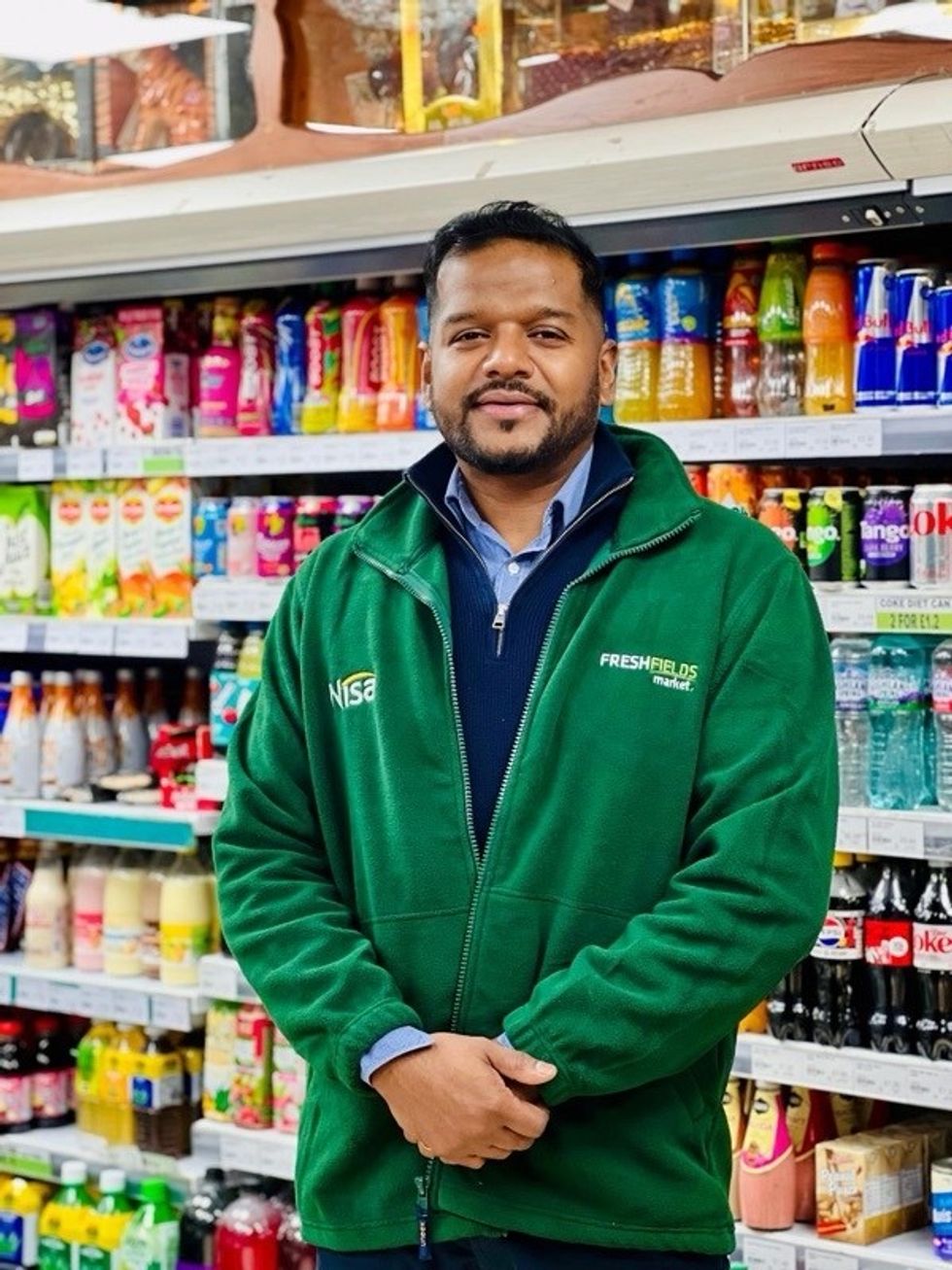 Retailer Benedict Selvaratnam Image from Benedict Selvaratnam
Under the new system introduced in the budget, the convenience store with a rateable value of £30,000 would use the Retail, Hospitality and Leisure multiplier (0.382) and will land up with a rates bill of £11,460.
In south London, leading independent retailer Benedict Selvaratnam is not happy with the new system.
Selvaratnam, who owns Freshfield Market in Croydon, shared his thoughts with Asian Trader, “From where I sit, this Budget doesn’t do enough for local shops.
“The new rates structure barely registers. The reduction is so small that it wipes out the relief we previously had. The support is “nowhere near enough,” and many stores in fact will see substantial increases in their bills next year.
“For Freshfields, that means higher fixed costs in a community where we can’t simply pass everything on to customers. And for many Croydon independents already on the edge, this could be the point where they stop investing or even consider closing.”
Rise in minimum wage will also eat away at the margin.
“We support paying people fairly, but the jump adds real pressure. Labour is one of our biggest costs, and industry data shows shops have already been cutting investment and staff hours because of rising employment costs.
“We are definitely feeling that same squeeze,” Selvaratnam added.
In Hampshire, retailer Imtiyaz Mamode, owner of Wych Lane Premier, Gosport, is concerned about the impending rise in costs.
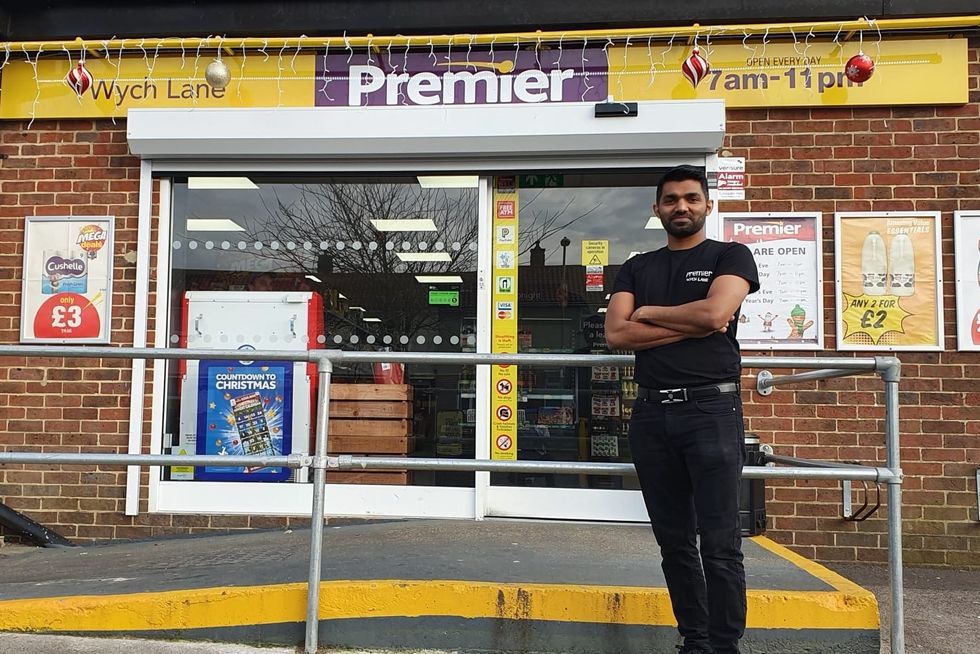 Retailer Imtiyaz Mamode Image from Imtiyaz Mamode
While the new business rate system “doesn’t make a huge difference for small retailers like us”, Mamode told Asian Trader, adding that the rise in minimum wages will increase his costs quite a bit.
Meanwhile in Greater Manchester, award-winning retailers Priyesh Vekaria and Mos Patel are disappointed by the Budget.
Vekaria, who runs community focused One Stop Carlton Convenience store, told Asian Trader, “The Budget signals intent to support enterprise, but in practice it continues to apply incremental pressure to already stretched operators.
“On business rates, the tweaks offer marginal relief but do not address the structural imbalance.
“For high street convenience stores, rates remain disconnected from trading reality and footfall volatility. Any short-term easing is welcome, but it does not move the dial strategically,” he added.
Just like his peers, Vekaria too is concerned about impending rise in wage costs.
“The minimum wage rise will directly increase operating costs. That is non-negotiable. While fair pay is the right moral direction, the cumulative impact on payroll, National Insurance and pension contributions will squeeze margins further.
“For stores operating on tight profit lines, this forces tough decisions around hours, automation and operational efficiencies. Productivity will have to work harder than ever to protect viability,” Vekaria said.
Rise in wage costs is giving sleepless nights to retailer Patel as well, who runs two convenience stores in the region.
“We already had to streamline the team, consolidate roles, and drive multitasking to stay operational.
“Last year we had to close the kitchen. We have also reduced dessert-bar hours, cut back the delivery team, and removed morning delivery slots because they were no longer viable. Any additional uplift in wage costs tightens the screws further,” Patel told Asian Trader.
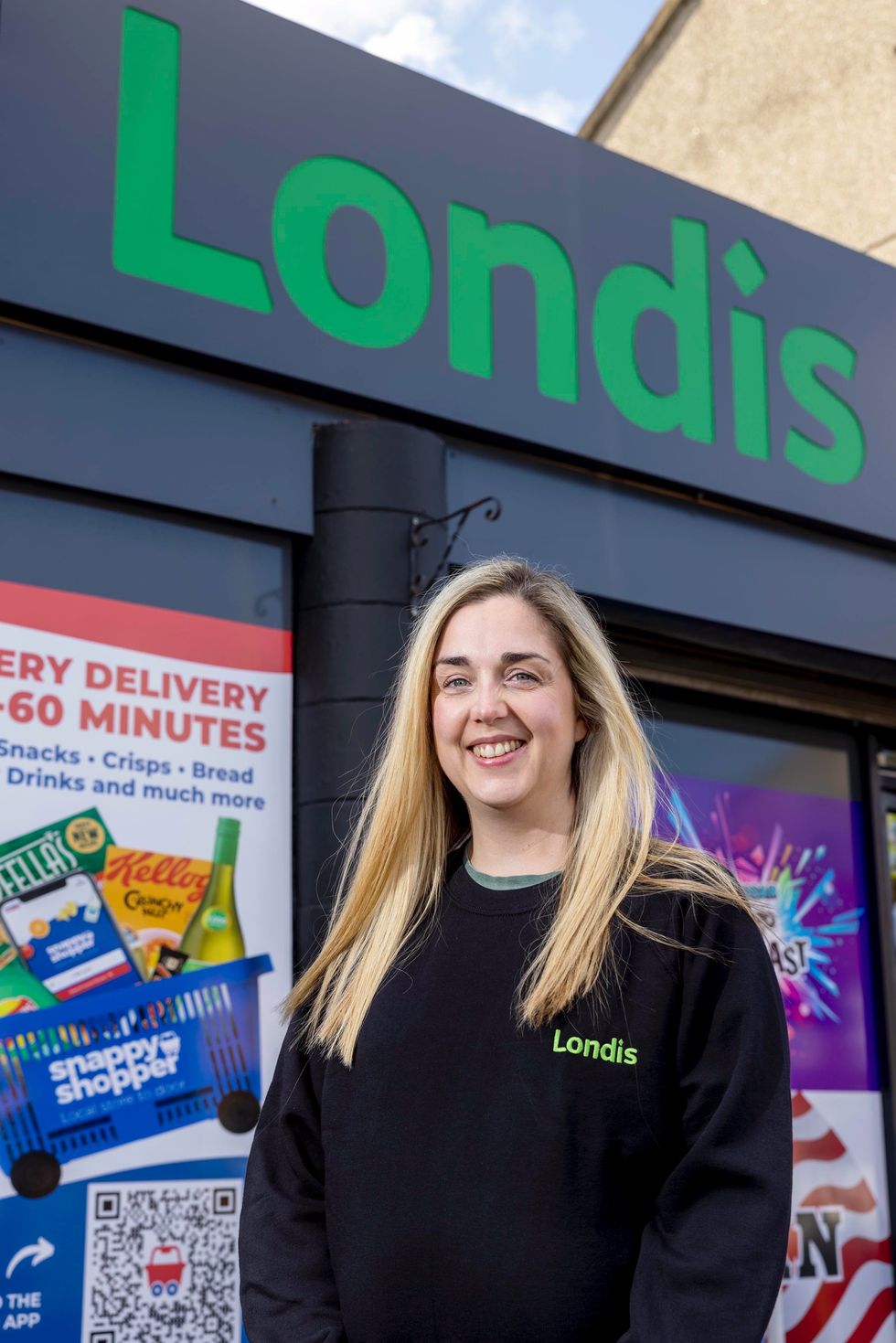 Retailer Natalie Lightfoot Image from Natalie Lightfoot
In Glasgow, independent retailer Natalie Lightfoot is staring at a bill that will rise by £155 a week, adding £8,060 a year.
As shared with Asian Trader, Lightfoot said, “I will have to reduce staffing hours by 15 hours per week at a time when we are already so tight.
“My customers will spend less. People will have less money. It happened last year; it is going to happen again. I don’t know how much they can bleed from us. It makes me wonder how much more many of us can survive let alone thrive.”
In Cornwall, retailer Judith Smitham seems somewhat satisfied with the budget considering the “tough times”.
“Overall, I think the budget was cautious and typically followed Labour values, which I feel is the right thing to do at the moment.
“The business rate announcement is welcome and can’t come quick enough. Any increase to the minimum wage is a cost but people need to earn a fair wage.
“Lower energy prices are welcome and personally I am happy that the two-child benefit cap has been scrapped.
“Having worked in one of the most deprived areas in Cornwall, been Chair of Governors at a school where many children were hungry hopefully this will help,” Smitham told Asian Trader.
Other Budget measures impacting convenience retailers are fuel duty frozen until September 2026, rise in tobacco duty by RPI + 2 per cent and 100 per cent business rates relief for EV charging points and EV-only forecourts for 10 years.
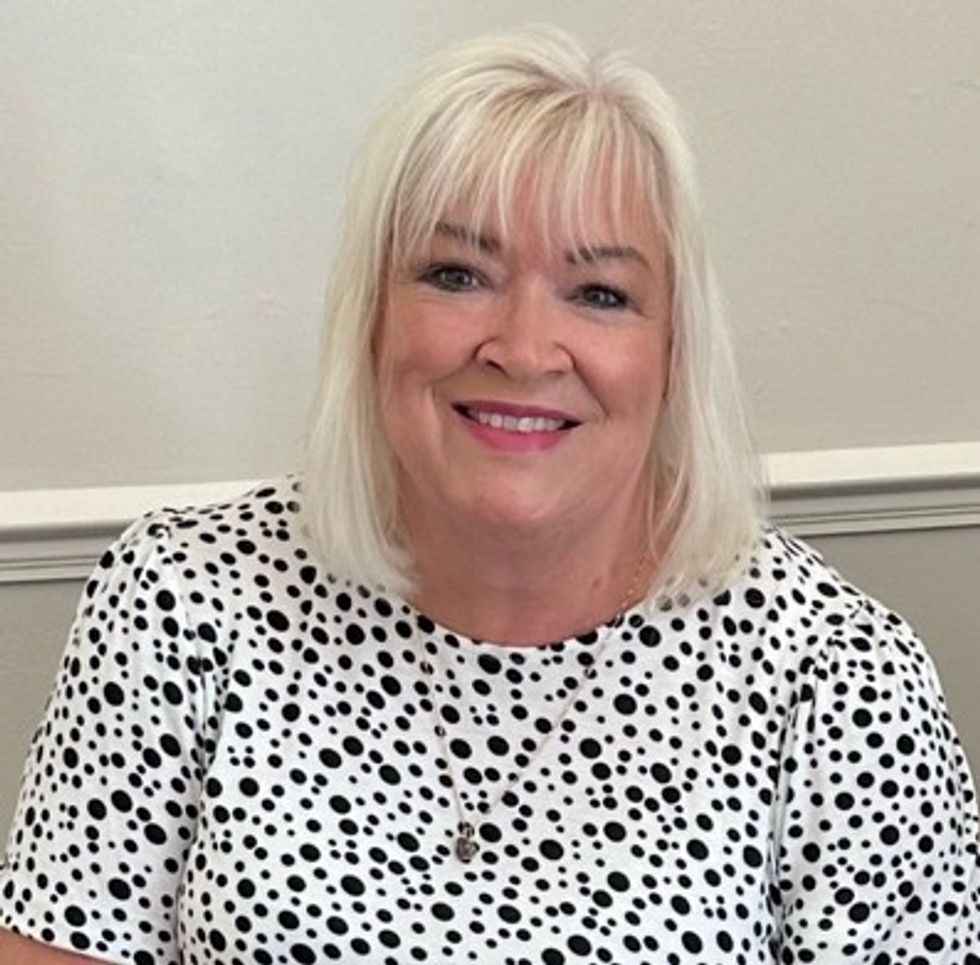 Retailer Judith SmithamImage from Judith Smitham
There are, however, some silver linings in the budget as well.
Most of the retail community has welcomed the new enforcement powers against illicit vape sales announced in the budget, including potential fines of up to £10,000 and the introduction of digital duty stamps.
But these wins are heavily overshadowed by the sheer scale of cost inflation facing the sector.
Low on confidence
Over the years, the cost of running a convenience business has steadily risen. And the recent Budget has offered no relief.
Glasgow-based retailer Shahid Razzaq captured the mood with painful clarity. Climbing energy bills, rising labour costs, higher collection charges and escalating retail crime have made trading dramatically more expensive, while margins on price-marked products have been squeezed almost to the bone.
“Suppliers and government need to understand that we are reaching point of no return. Business confidence is very low, small business feel that they are punch bags for all governments, thinking that they are making millions.
“Which is not the case, now it is time for government to look at companies who are managing to avoid paying their fair share of taxes. And giving small businesses the benefit of some relief,” he penned down on social media.
Every retailer we spoke to is expecting a slowdown in customer spending in the coming months.
As pointed by Patel, when discretionary income gets squeezed, customers trade down, reduce basket size, and avoid premium lines.
“Retailers like us respond by rationalising ranges. The Budget will likely accelerate that trend.
“The measures haven’t boosted my confidence. If anything, it has reinforced a cautious stance. We won’t be investing next year, and we’re already reducing stock ranges as slow-moving and luxury SKUs just don’t justify the cash-flow strain anymore,” Patel told Asian Trader.
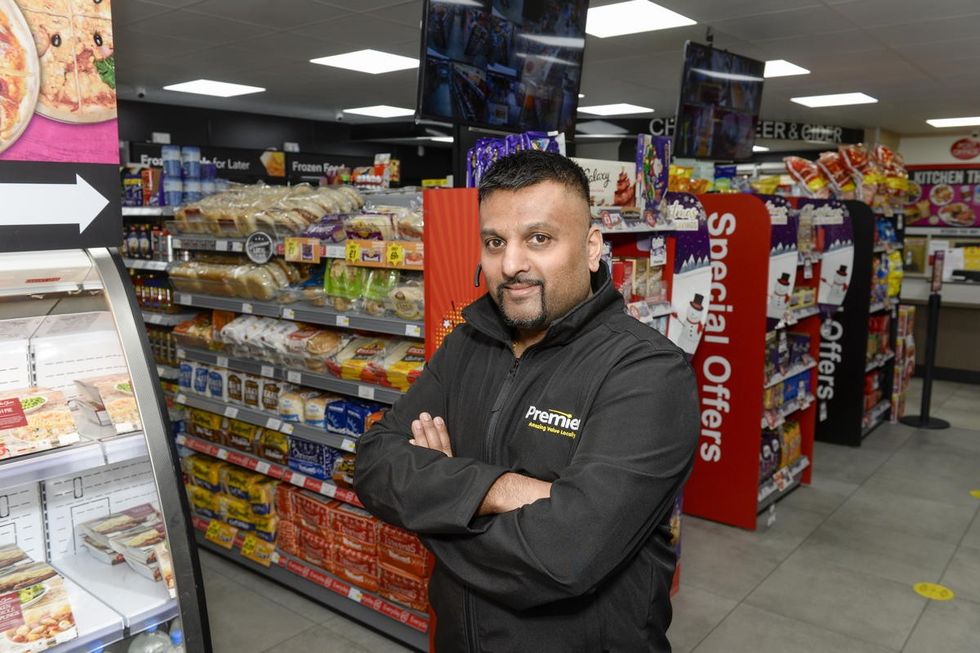 Mos Patel www.asiantrader.biz
Selvaratnam in Croydon is expecting customers to become even more price-driven.
“In Croydon, families are already watching every pound. If our costs rise, shoppers will trade down faster, and retailers will narrow their ranges to survive. "The combination of higher rates, rising wages, and no meaningful long-term clarity doesn’t encourage expansion. At Freshfields, we’ll keep moving forward, but more cautiously. And across the Croydon Business Association, most members are saying the same thing,” he said.
Selvaratnam and Patel’s sentiments are echoed across the sector.
“I expect people to be more price-conscious and cut back a little. Confidence to invest: The Budget hasn’t really boosted my confidence; things still feel quite uncertain,” Mamode said.
As Vekaria explained, “In terms of buying behaviour, we are already seeing customers becoming more value led and mission focused. Expect continued trading down, basket rationalisation and increased sensitivity to price points. Retailers will also become more cautious with ranging, focusing on proven sellers and tighter stock control. Impulse remains, but only where perceived value is clear.
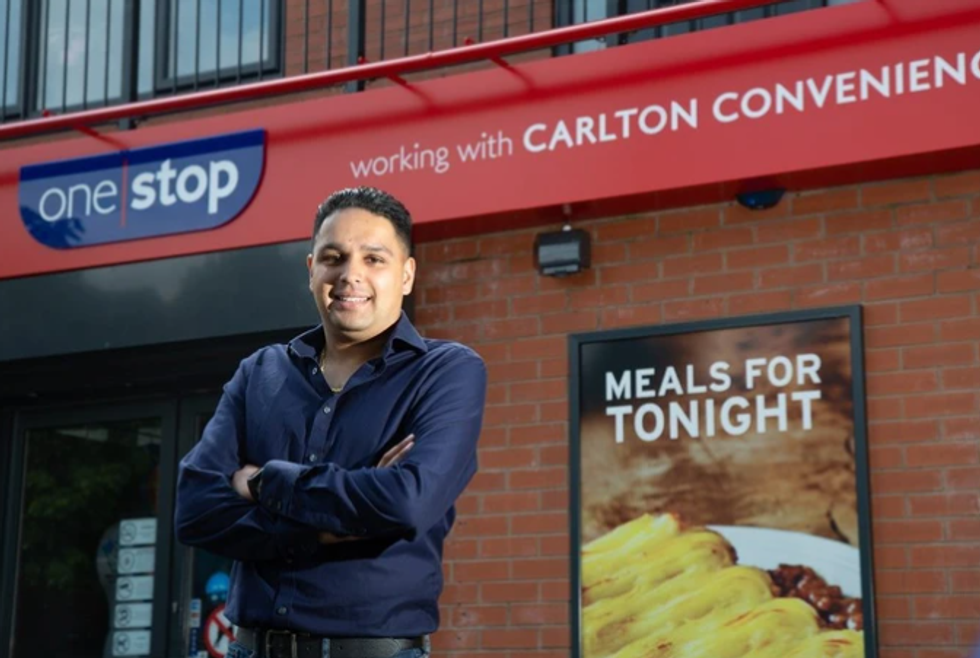 Retailer Priyesh Vekaria Image from\u00a0Priyesh Vekaria
“As for investment confidence, this Budget does not materially boost it. It doesn’t destroy it either. It reinforces the reality that any future investment must be highly strategic, data driven and rooted in operational resilience.
“For my business, investment decisions will continue but with sharper scrutiny, prioritising technology, loss prevention, energy efficiency and customer experience enhancements that deliver measurable ROI.
"The sector will adapt, as it always does. Convenience retail is resilient by design. But survival and growth will depend on smart leadership, sharper cost control and a relentless focus on value for the customer.
“Sentiment alone will not carry us forward. Strategy will,” he concluded.
The pressures are real and the challenges are mounting, but the resolve of this sector is stronger still. And as Vekaria pointed out, the sector will adapt, hoping Westminster finally starts listening.