



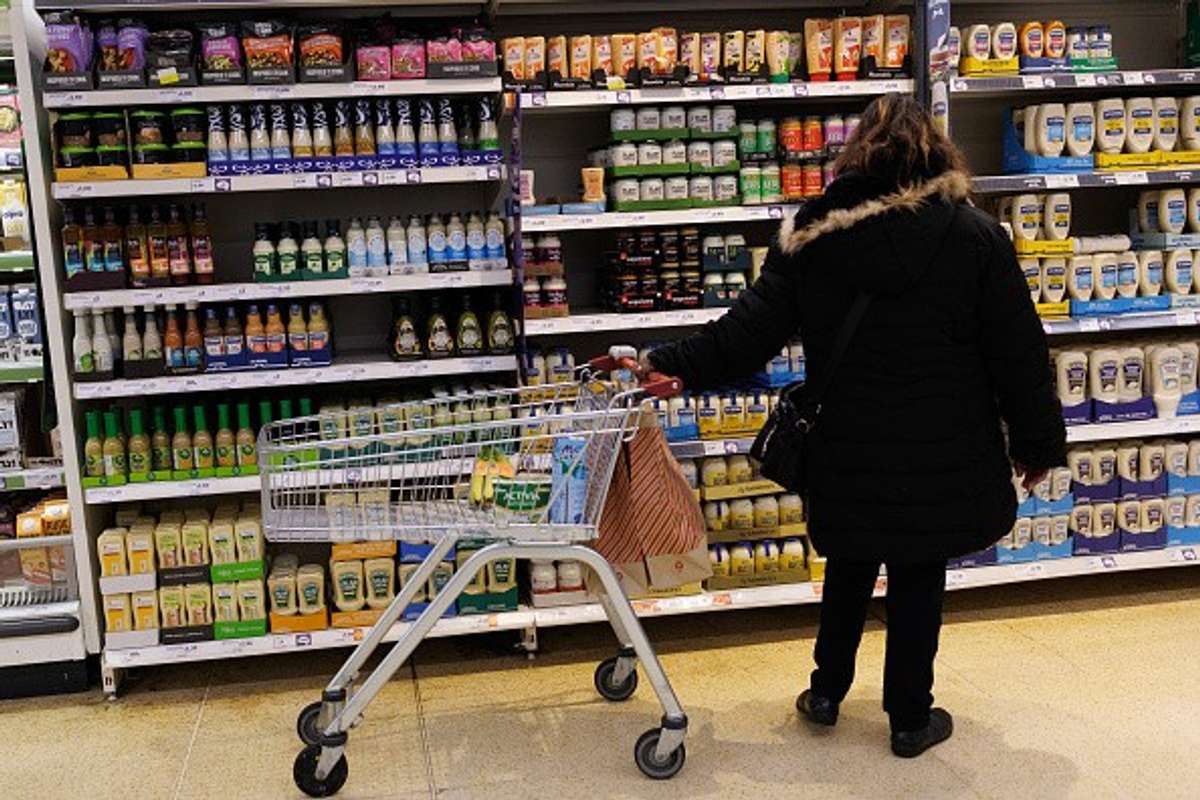

UK food prices are on course to be around 50 per cent higher by November as compared with levels at the start of the cost-of-living crisis in mid-2021, according to new analysis from the Energy and Climate Intelligence Unit (ECIU).
The think tank described the projected rise as a “grim milestone”, warning that price increases which previously took nearly two decades could now be compressed into just over five years, almost quadrupling the historical pace of food inflation.
The surge has been driven by a combination of climate-related shocks, global supply chain disruption, and the UK’s continued exposure to volatile oil and gas markets, all of which have intensified pressure across the food system.
Staple products have seen some of the sharpest increases. Prices of pasta, frozen vegetables, chocolate, eggs and beef have risen between 50 and 64 per cent, while olive oil has surged by 113 per cent.
The ECIU said these categories are particularly vulnerable to fluctuations in energy costs, synthetic fertiliser prices, and extreme weather events such as droughts, floods and heatwaves in both the UK and key sourcing regions.
Overall, households have already faced an average increase of £605 in food bills across 2022 and 2023, with energy-related factors alone accounting for £244 of that rise.
More recently, inflation has been heavily influenced by a handful of climate-sensitive products, including butter, milk, beef, chocolate and coffee. Prices for these items have risen more than four times faster than other food and drink categories, further sustaining upward pressure on grocery bills.
Chris Jaccarini, food and farming analyst at the ECIU, said: “Trump’s war in the Middle East is set to drive shopping bills higher as oil and gas prices spike.
“Scientists are predicting 2027 to be the hottest year on record with climate change combining with the El Nino effect kicking off this year. Three of England’s worst harvests on record have been in the past five years.
“Unless we get to net zero emissions to stop climate change and bring balance to the system, food prices will spiral ever further, but net zero also means burning less oil and gas, so insulating our food system from the kind of price spikes we’ve been seeing since Russian invaded Ukraine.”
Latest inflation figures from Worldpanel by Numerator show grocery prices are currently 3.8% higher than a year ago, with households warned that the Middle East conflict has “not yet” filtered through to supermarket shelves.