



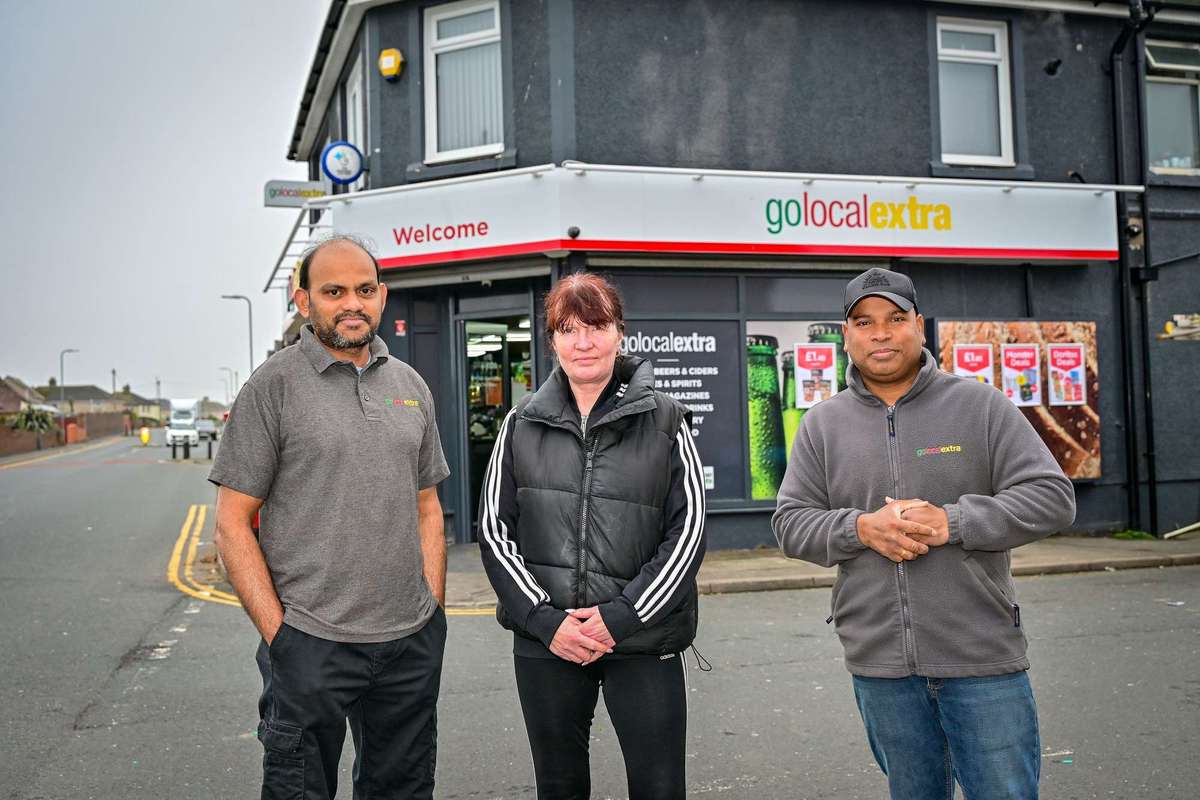

At High Road Go Local Extra in Kells, Whitehaven, the customer base changes markedly as the day progresses. Families arrive for everyday essentials, Sellafield workers call in before or after shifts, and by evening the nearby football and rugby training ground brings a different wave of customers looking for drinks, snacks and impulse purchases.
For owners Thiyanamany Kemananthan and Subakar Sivapillai, understanding those changing missions has been central to developing the store. The pair have been trading in the community for six years and have built close relationships with customers, many of whom they know by name.
The store joined Go Local Extra to strengthen its competitive position, particularly through stronger promotions, access to new products and a more consistent value proposition. Promotions change every three weeks, helping keep the offer fresh, while access through Parfetts and Go Local has helped the store build a reputation for getting new and trending products into the area early.
That has become a genuine point of difference. Customers increasingly visit expecting to find products they have seen online or heard about elsewhere, with the business using social media trends and customer conversations to identify what might work locally.
Technology has become part of that process. AI tools are used to sync Go Local promotions automatically with the online store, ensuring pricing remains consistent, while other AI tools monitor social media trends to identify emerging products early. The owners have also tightened stock control and replenishment to improve availability on core lines.
But the most effective developments have come from listening to people rather than simply watching data.
Sellafield workers wanted an early-morning hot food option, so the business built a kitchen from scratch, trained the team and introduced freshly made breakfast sandwiches. The offer now sells around 25 units a day and has become a significant part of the morning proposition, generating additional purchases of drinks and snacks.
The store has also adapted its layout around the evening sports trade. Soft drinks, alcohol and impulse products have been repositioned to make it easier for customers leaving football and rugby sessions to shop quickly.
That responsiveness extends to the team. Regular meetings are used to gather staff feedback, with colleagues encouraged to identify customer needs and suggest improvements. The breakfast kitchen itself came directly from conversations staff were having with shoppers on the shop floor.
The result is a 1,000–2,500 sq ft high-street convenience store that has become notably more responsive than its size might suggest. It trades with a liquor licence, uses Parfetts as its wholesaler and belongs to both a symbol and buying group.
What defines Kemananthan and Sivapillai's approach is speed: listen, spot the opportunity and act before the demand passes. Whether that means a new product, a breakfast sandwich, a promotional change or a shift in merchandising, High Road Go Local Extra has been built around the idea that local knowledge is only valuable if it leads to action.
In a market where convenience increasingly means relevance as much as proximity, that may be the store's biggest strength.