



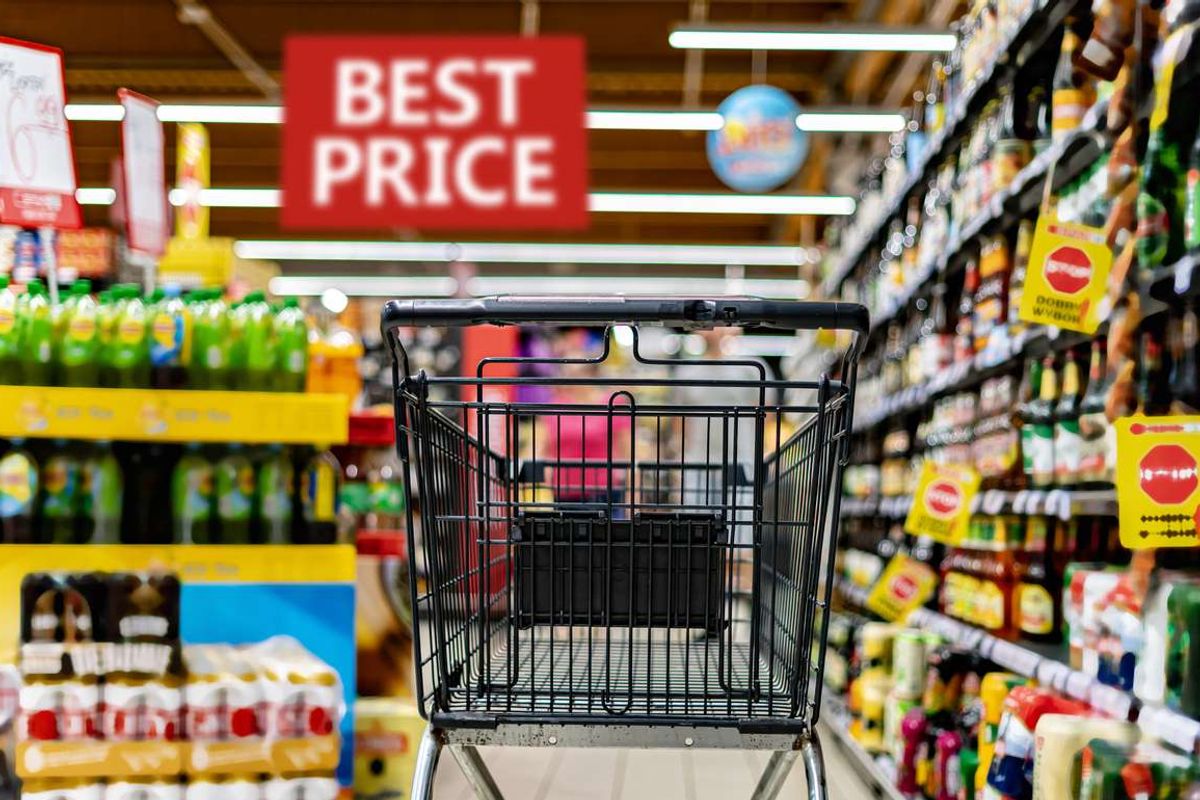

The UK’s biggest grocers have kicked off the new year with another wave of high-profile price cuts, intensifying competition for independent convenience retailers already navigating a challenging post-Christmas landscape.
Asda, Tesco and Morrisons have unveiled major value drives spanning branded groceries, fresh food and everyday essentials, underlining how sharply the focus has shifted back to price as households continue to feel under pressure.
Asda on Thursday said it has cut prices on 956 everyday grocery products, including key cupboard staples such as pasta, sauces, tea and coffee, alongside reductions across its Free From range. The move builds on more than 3,400 Rollback deals already in place and comes as Asda points to ongoing pressure on lower-income households from food inflation.
With food price inflation reaching five per cent in September, Asda’s latest Income Tracker reveals that lower-income households are facing a weekly shortfall of £74 between their earnings and the cost of essential spending.
“We understand the pressure families are under from rising living costs and we’re stepping up our support as we enter an expensive time of year for our customers,” Rachel Eyre, chief customer officer at Asda, said. “We’re cutting prices on the everyday products they rely on the most, helping them bring down their food bills and get even more value every time they shop with us.”
Tesco, meanwhile, has on Monday launched a significantly expanded Everyday Low Prices commitment, locking in consistently low prices on more than 3,000 branded products, including household names such as Weetabix, Heinz, PG Tips and Fairy. The retailer said the initiative sits alongside Aldi Price Match on more than 650 lines and over 10,000 Clubcard Prices, reinforcing its value credentials as competition intensifies.
“Our most-loved brands don’t just have a place in our shopping baskets – they hold a genuine place in the nation’s heart. That’s why we’re committed to keeping prices consistently low on thousands of branded products through our new Everyday Low Prices,” Ashwin Prasad, Tesco UK chief executive, said.
Morrisons has also entered January with a fresh round of price investment, dropping prices on more than 2,500 products across fresh produce, meat and fish, cupboard staples and household essentials. The cuts cover both own label and well-known brands and are being positioned as part of an ongoing push to offer “good, honest value” during a traditionally tight period for household budgets.
“At Morrisons, we believe great quality should be affordable for everyone, and we know that January is a time when the cost of the weekly shop really matters to customers,” Alex Paver, pricing and customer director at Morrisons, said. “These price cuts reflect our continued commitment to helping customers spend less, while enjoying the quality Morrisons is known for.”
The renewed price aggression comes against the backdrop of strong festive trading for the major multiples. Tesco reported UK and Republic of Ireland like-for-like sales growth of 3.7 per cent over the combined third quarter and Christmas period, supported by gains in fresh food, online and convenience formats. Its convenience and rapid delivery operations were among the beneficiaries of increased top-up and distress purchasing over the festive weeks.
Sainsbury’s also posted solid Christmas momentum, highlighting a record-breaking performance in its convenience estate, with particularly strong growth in fresh categories as shoppers relied on local stores for last-minute purchases on Christmas Eve, Boxing Day and New Year’s Eve.
Marks & Spencer's underlying food sales jumped 5.6 per cent in the Christmas quarter.
For independents retailers, however, the picture was far tougher. According to the latest Worldpanel by Numerator data, symbols and independents suffered the sharpest sales decline of any channel over Christmas, with sales down 4.3 per cent year on year in the 12 weeks to 28 December 2025.
With the major grocers doubling down on price investment while reporting market share gains, independent retailers may have to watch closely to see how sustained the pressure becomes in the months ahead – and where opportunities remain to compete through availability, service, local ranging and food-to-go rather than price alone.