



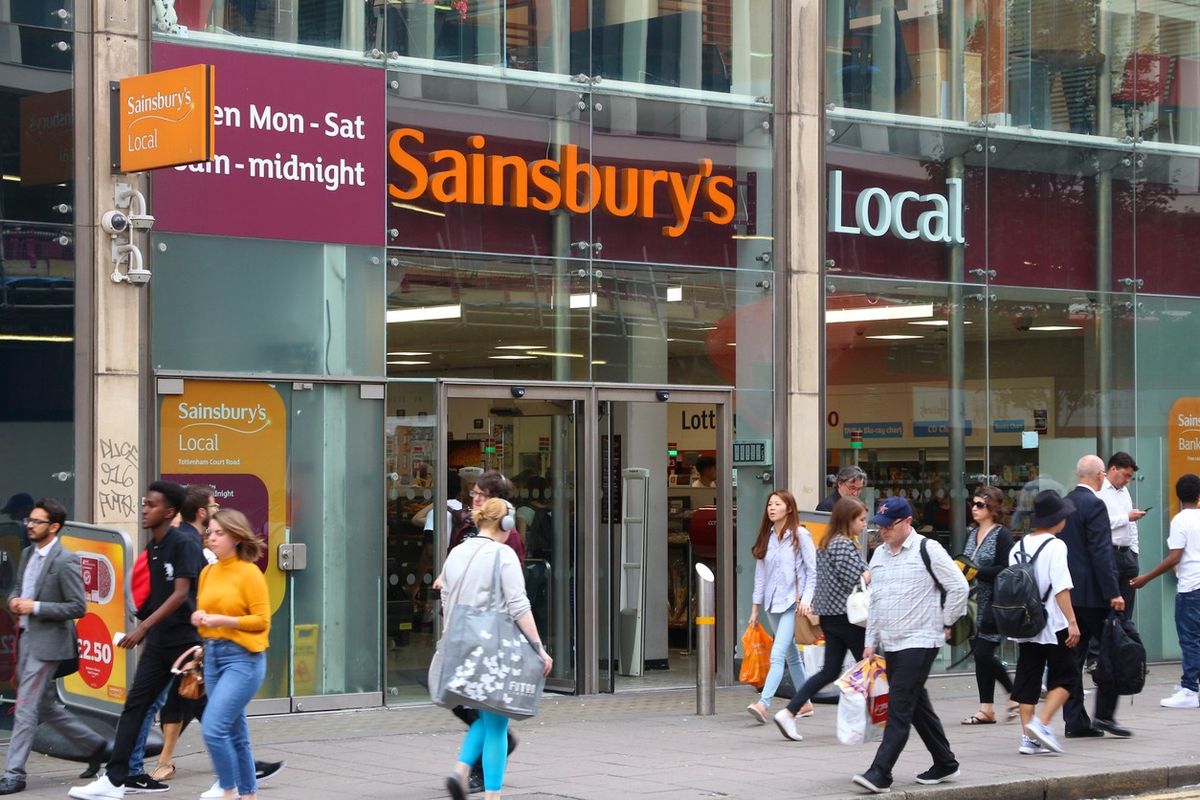

Sainsbury’s has on Friday reported a record-breaking performance in its convenience estate over the Christmas trading period, as strong growth in fresh food and last-minute shopping helped drive overall grocery momentum.
In its third-quarter trading statement for the 16 weeks to 3 January 2026, Sainsbury’s said Convenience delivered its strongest ever performance, with particularly robust growth in fresh categories as shoppers relied on local stores for essentials and top-up missions on Christmas Eve, Boxing Day and New Year’s Eve.
The retailer said higher customer satisfaction scores were recorded across Supermarkets, Convenience and Online during the period.
Group grocery sales rose 5.4 per cent year on year in Q3, while total Sainsbury’s sales increased 4.9 per cent. Like-for-like sales excluding fuel were up 3.4 per cent over the quarter. Fresh food sales grew 8 per cent, with Taste the Difference Fresh sales up 15 per cent, underlining what the retailer described as customers trading between value essentials and premium own label.
“We expected the market to become more competitive with customers spending more carefully and we invested in balanced choices to offer great value for money, outstanding quality and innovation and leading customer service and availability, both in store and online,” chief executive Simon Roberts said.
Alongside convenience, Sainsbury’s highlighted continued investment in growing its food footprint through new store openings and space reallocation, bringing a wider food range to customers in key locations and supporting market share gains. The retailer said it remained on track to deliver more than £1 billion in retail underlying operating profit for the year.
Rival Tesco also reported a strong festive performance this week, with UK like-for-like sales up 3.2 per cent over the combined third quarter and Christmas period. However, its wholesale arm Booker saw like-for-like sales fall 1.3 per cent over the 19 weeks to 3 January, as growth in core catering was offset by pressure in retail from tobacco declines and the exit of a lower-margin national account.
Marks & Spencer's underlying food sales jumped 5.6 per cent in the Christmas quarter, but clothing, home and beauty dropped 2.9 per cent, hit by weak demand and the fallout from a cyber hack last year.