



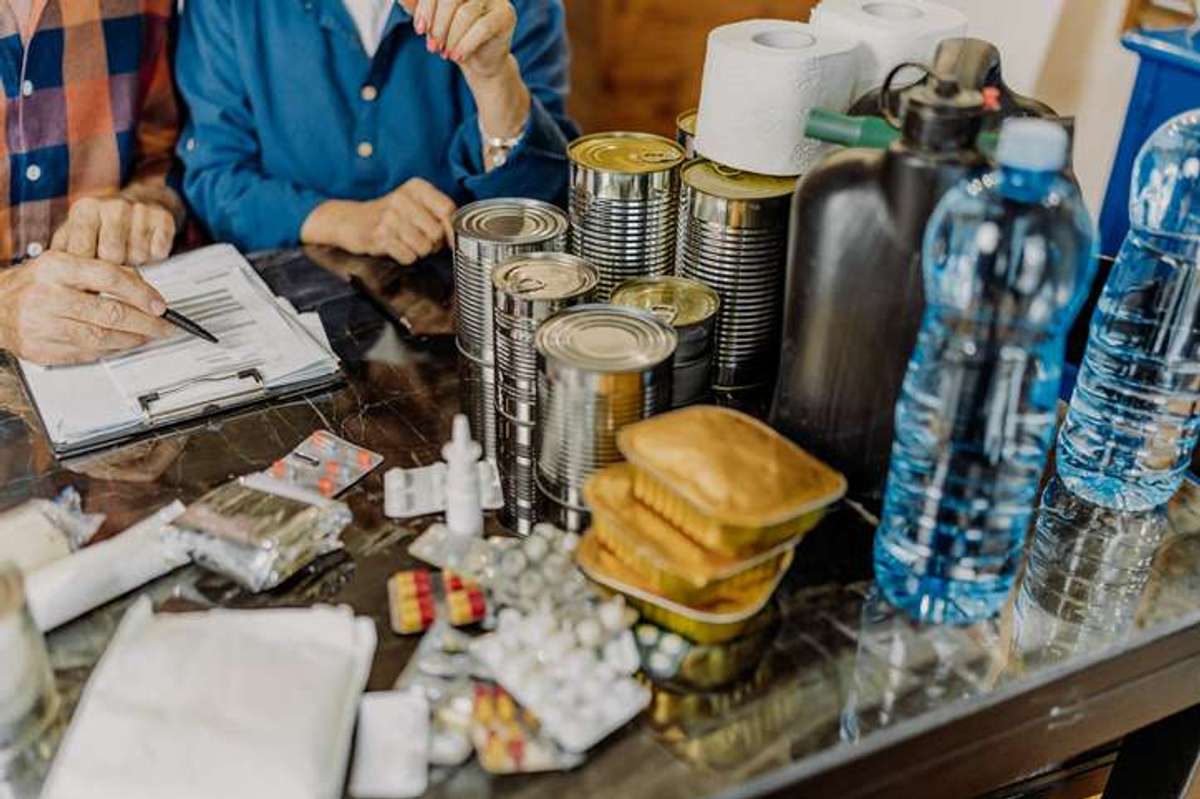

Convenience retailers should prepare themselves as millions of Britons are preparing for potential national emergencies by stockpiling essentials such as cash, tinned food and battery-powered torches, amid growing fears over global conflict, cyber-attacks and extreme weather events, new research suggests.
With wars continuing in the Middle East and Ukraine, alongside growing concerns over power outages and cyber threats to the UK’s critical infrastructure, many consumers appear to be taking practical steps to prepare for potential disruption to everyday services.
New data from LINK, the UK’s ATM network, found that millions of consumers are actively engaging in “contingency planning” for scenarios such as power cuts, IT failures, natural disasters and cyber-attacks.
Asked how they would respond if card and mobile payments stopped working in shops, more than half (54 per cent) of respondents said they would withdraw cash from an ATM.
Meanwhile, 46 per cent said they would rely on food supplies already stored at home, while 41 per cent said they would use cash already on their person to pay for goods. A further 36 per cent said they would use cash kept at home, and 31 per cent said they would shop online.
Notably, 15 per cent said they would access a reserve of banknotes and coins specifically saved for emergency situations.
The research also highlighted growing consumer demand for practical household essentials often stocked by convenience stores.
Almost half (49 per cent) of respondents said they had battery-powered items at home, such as torches, while 47 per cent had built up supplies of tinned foods including baked beans and canned fruit. More than a third (37 per cent) said they kept portable power banks for charging mobile phones.
One in five consumers had access to portable gas hobs such as camping stoves, while 15 per cent said they owned an analogue radio. In terms of financial preparedness, 17 per cent said they kept “a stash of cash” at home.
Importantly for retailers, nearly a quarter (23 per cent) of those who had taken any of these actions said they had started preparing within the last three months, suggesting concerns around disruption may be intensifying.
Graham Mott, Link’s director of strategy, said the data demonstrated the growing role played by cash in people’s resilience planning.
“With rising public concern about threats like power outages, cyber-attacks and disruption to card payments, more people are prepping by keeping some emergency cash at home,” he added.
Specialist “prepper” shops have become popular in the UK, with some reporting a boom in the aftermath of the Covid lockdowns.