





Spring is nearly here and, after the long trudge through a shivering economy and wintry weather, the nation is looking forward to longer, warmer days, impromptu garden gatherings and the pleasure of an ice-cold drink in hand. For British consumers, that drink is most likely a beer, lager or cider: together, these categories account for 65 per cent of total alcohol consumed in the UK. Nothing, it seems, will keep Brits from their preferred pint.
Almost nothing, that is. The spectre of the £10 pint – already appearing on bar menus in London – and an average on-trade price approaching £7 per pint nationwide is prompting a significant shift in drinking behaviour. Add to this the business rates hikes now pushing licensed premises towards the financial cliff edge, and the picture for off-trade sales looks increasingly rosy. When the pub becomes an occasional treat rather than a midweek default, people do not simply drink less; they drink at home.
That is very good news for independent retailers. The opportunity in beer, lager and cider is substantial – but capturing it requires understanding a market evolving at pace. Volume is under pressure, even as value sales hold up or grow. Premiumisation is reshaping what shoppers reach for. No-and-low is no longer a niche. Within cider, the long reign of fruit flavours is giving way to a resurgent apple. Getting the range right, and executing it well in store, has rarely mattered more.
Beer: resilient under pressure
The headline numbers tell a story of a category managing its way through choppy waters. Total retail beer sales stand at £5.7 billion RSV [NIQ Scantrack], while convenience beer sales amount to £1.4 billion RSV, translating to around £27,800 per store. Beer sales within convenience declined by £5 million – a fall of 0.4 per cent – last year. That is a manageable dip, and it sits alongside some genuinely encouraging sub-category growth that retailers would do well to pay attention to.
Provisional alcohol duty receipts for the financial year to date (April to January 2025-26) show total beer duty receipts of £2.95bn – down £86m or 3 per cent on the same period last year. Cider duty receipts came to £249m, up a striking £52m – 26 per cent higher year-on-year, suggesting strong volume movement through the cider category. It is worth noting that duty rates for all alcohol categories increased on 1 February 2026 in line with the Retail Prices Index (RPI), and receipts from late 2025 may be skewed by producers moving stock out of bond early to avoid the hike – a practice known as “forestalling”.
At a broader level, Mintel paints a nuanced picture. Ongoing pressure on household incomes, weak consumer confidence and growing alcohol moderation have dampened volume sales of beer. Price rises and the impact of Extended Producer Responsibility (EPR) have driven up value sales despite weak volumes. The consultancy warns that alcohol moderation is set to grow further through to 2030, making the development of no-and-low alcohol versions increasingly crucial for brands. At the same time, Mintel notes that one in five category buyers now purchase beer from discount supermarkets, signalling the importance of keeping premium variants visible even in value-orientated environments.
In short, shoppers are making considered choices, and those who trade up to premium or reach for no-and-low are adding more value per transaction than ever before.
Premium lager in fast lane
If there is one story dominating the convenience beer category right now, it is the extraordinary momentum behind premium lager. While economy brands are seeing year-on-year sales declines, premium lager has grown 5.4 per cent, adding £17 million to tills [NIQ Scantrack]. Brands such as Asahi Super Dry, Peroni Nastro Azzurro and Corona Extra are leading the charge.
Molson Coors is playing directly into this premium trend with the February launch of Carling Black Label, a new 4.7 per cent ABV full-flavoured lager brewed with 100 per cent British barley at Burton on Trent. The Black Label name will resonate with loyal Carling drinkers – it was how the brand was known in the UK until the late 1990s – but the product has been developed with modern drinkers firmly in mind.
“Carling has been loved by people for decades, bringing mates together for occasions that matter,” said Ryan McLaughlin, Brand Director for Carling at Molson Coors Beverage Company. “Now we're taking the brand into the future, while honouring its heritage – giving drinkers an exciting new lager that celebrates the role Carling continues to play in British drinking culture.”
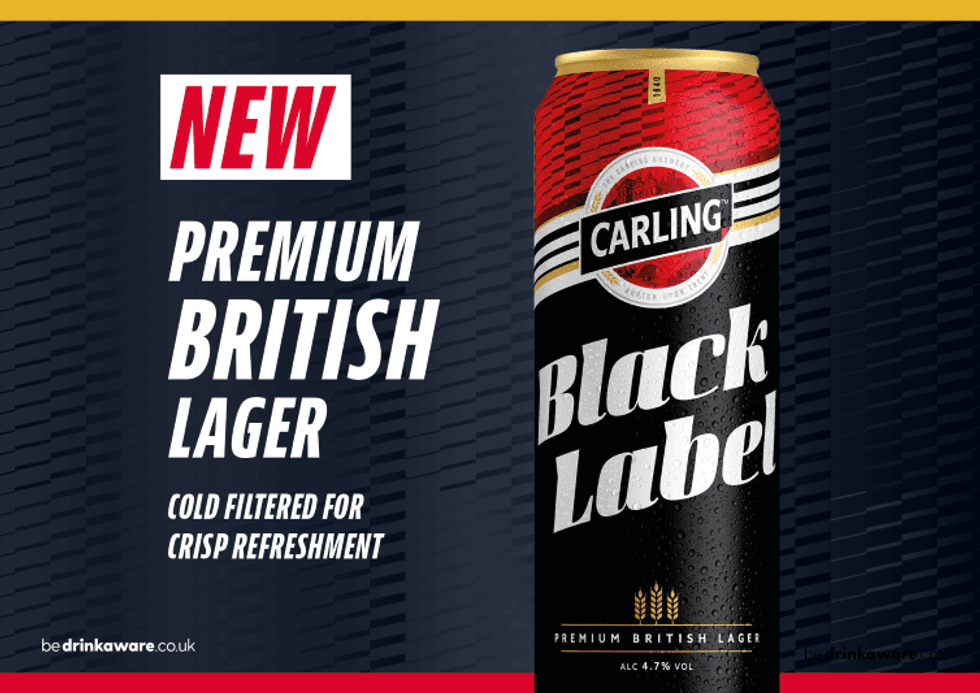 Carling Launches Black Label Beer in UK Photo: Handout
Available in the off-trade since 16 March, Carling Black Label is cold-filtered for refreshment and positioned as a trading-up option within the Carling portfolio – an opportunity for retailers to capture shoppers looking for something more special without straying from a brand they already trust.
Kevin Fawell, UK&I Sales Director at Molson Coors Beverage Company, puts the broader portfolio in context.
“The beer and cider category continues to demonstrate resilience, driven by a mix of trusted favourites and premium innovation,” he said. “At the premium end, the world beer category is still going from strength to strength, with brands like Madrí Excepcional and Staropramen both growing year-on-year in retail [Circana]. Madrí Excepcional is the fastest-growing top-five lager brand in the country, with off-trade value up more than 9.5 per cent year-on-year and retail sales now hitting £138 million.”
He is equally clear that premium is only part of the story. “Of the top 50 best-selling beers and ciders, the three most popular core lagers account for one in every four pints – 28 per cent – sold in off-trade beer and cider volume [Circana]. Recognisable brands like Carling form the backbone of the offering for retailers. Coors remains one of the UK's top core lagers and has seen volume sales grow by around 12 per cent in the off-trade over the past year, demonstrating that well-activated mainstream brands can deliver tangible growth alongside premium options.”
Molson Coors is also expanding Madrí Excepcional into the fast-growing fruit beer segment with the launch of Madrí Excepcional Limón, a 3.4 per cent ABV flavoured lager arriving in Booker and One Stop stores from this month in 4x440ml multipacks.
Fruit beer is now worth £43 million in the UK off-trade [Circana], with lemon identified as the flavour with the strongest appeal among fruit beer drinkers. Madrí Excepcional is now a £1 billion brand and the second-largest world lager in total trade by value [CGA & Circana].
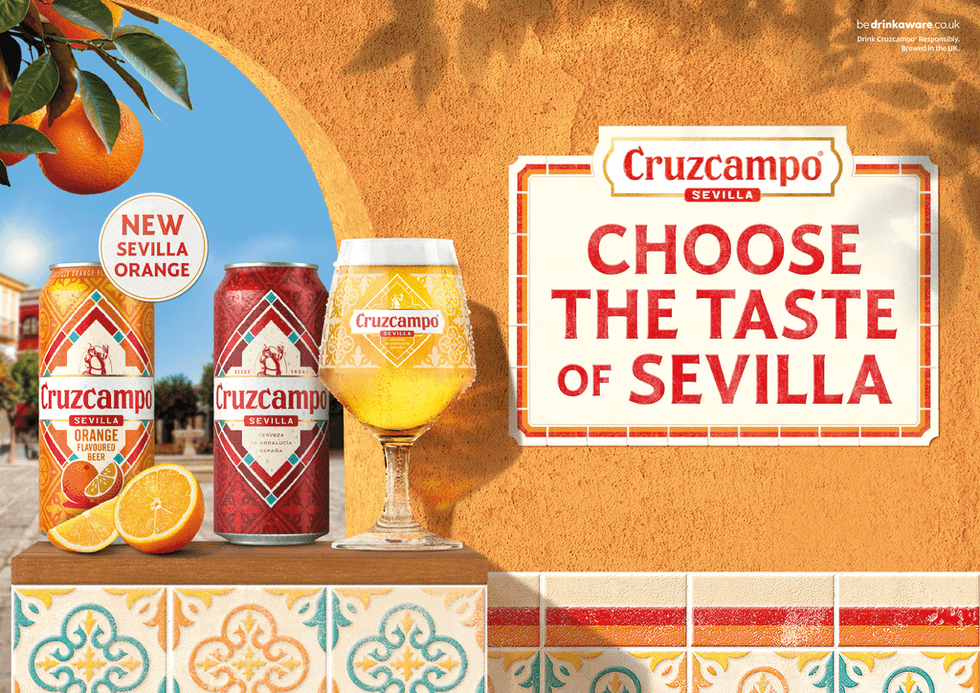 HEINEKEN UK launches Cruzcampo Sevilla Orange Photo: Handout
Meanwhile, Heineken UK has been expanding the Cruzcampo portfolio – itself now the UK's fastest-growing beer brand [Nielsen IQ] – with the introduction of Cruzcampo Sevilla Orange, a 3.3 per cent ABV lager brewed with the zesty flavour of Seville oranges. The new variant, available from March in 4x440ml can format, is well–timed: the flavoured and fruit beer segment is growing 12.4 per cent year-on-year [CGA and NIQ], and two–thirds of shoppers say they are open to flavoured beer, although many worry it will be overly sweet [HUK Toluna].
“Shoppers are increasingly looking for premium lagers that deliver great quality while still offering value for money,” said Alice Batsford, Cruzcampo Senior Brand Manager at Heineken UK. “With the introduction of Cruzcampo Sevilla Orange we're able to bring a vibrant new flavour to our range – a refreshing lager that suits evolving consumer trends without compromising on taste and quality.”
The continental credentials of the Cruzcampo brand – rooted in Seville, where it was first brewed in 1904, a city famous for having more orange trees than anywhere else in the world – give this variant genuine authenticity. It already commands a 2.7 per cent value share of the beer category [Nielsen IQ], and gives convenience retailers a fresh conversation-starter for the chiller, backed by a multi-million-pound “Choose to Cruz” campaign across TV, digital, social and out-of-home from May through summer 2026.
Lager of the sun
If one trend cuts across the premium lager segment with particular clarity right now, it is the extraordinary rise of Spanish beer. Cruzcampo, which only launched in the UK in August 2023, already commands a 2.7 per cent value share of the beer category. Madrí Excepcional, a £1 billion brand, is the fastest-growing top-five lager brand in the country. The appeal is consistent: authenticity, continental heritage, and a crisp, food-friendly drinkability that resonates with consumers trading up from mainstream domestic lagers. Now Estrella Damm, brewed in Barcelona since 1876, is adding further momentum, and marking its 150th anniversary with a campaign designed to turn heritage into hard sales.
“Celebrate 150 Summers” brings to life Estrella Damm's enduring connection to shared meals, coastal escapes and vibrant social occasions. The milestone is being celebrated with a limited-edition collection of seven exclusive can and bottle designs honouring Barcelona's most iconic locations: the Sagrada Família, Camp Nou – home of FC Barcelona, a Damm partner for over 25 years – the historic Old Damm Brewery, the city's famous beach, La Boqueria food market, local festivals and the renowned skyline.
“Estrella Damm has consistently delivered a premium lager synonymous with warmth, authenticity, and exceptional taste. ‘Celebrate 150 Summers’ captures this legacy while inspiring today’s consumers to create new memories with a beer rooted in tradition yet perfectly suited to modern lifestyles,” commented Liam Fidler, Head of Off-Trade at Damm UK.
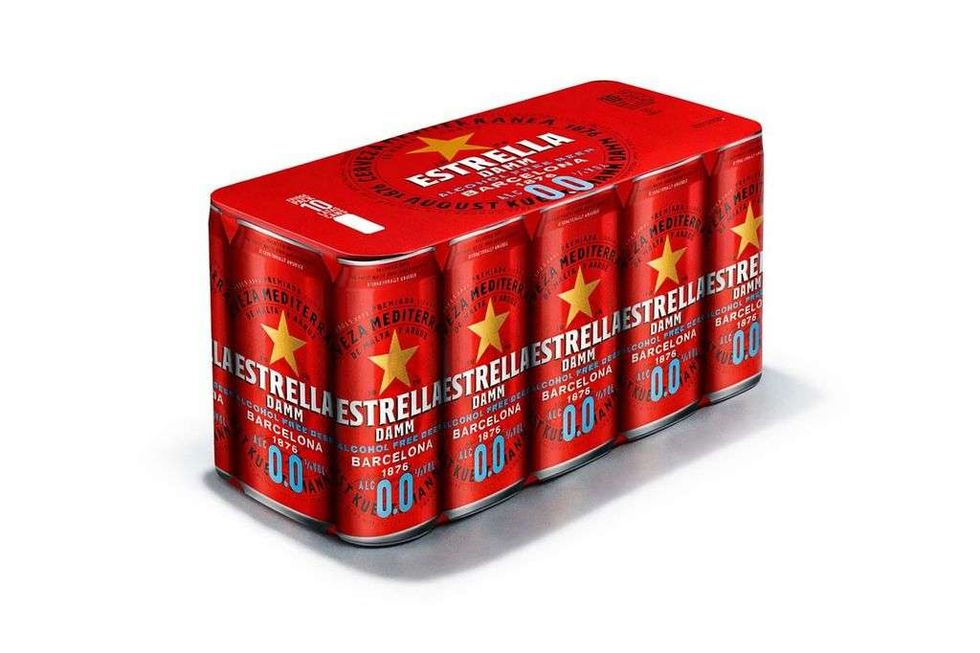 Damm fridge packs Photo: Handout
The collection is available from early April in 330ml bottles, 440ml cans, four-packs and 10-packs while stocks last, supported by a UK competition offering 150 prizes, with the headline prize a trip to Barcelona including a visit to the El Prat brewery and Michelin-starred dining.
“The campaign is supported by standout packaging, impactful in-store visibility, and strong brand recognition, driving both impulse purchases and loyal repeat buying. Its premium positioning and aspirational Mediterranean identity resonate strongly across convenience and hospitality channels alike,” Fidler added.
Damm is also launching new fridge pack formats of Estrella Damm 0.0% and Damm Lemon this spring, available from wholesalers for independents from April. World beer is growing in volume with Spanish lager leading the way, and Damm Lemon is currently the fastest-growing major flavoured lager brand in the off-trade, up 126 per cent in sales volume over the last year. Estrella Damm 0.0%, despite only launching in June 2025, is already the number-three contributor to no/low lager category volume growth at a total brand level.
“The momentum behind Spanish lager right now is really significant and it's not slowing down,” Fidler said. “Consumers are increasingly choosing to recreate premium drinking experiences at home, which is driving growth in categories including flavoured lager and alcohol-free, both of which Damm is well placed to lead. Damm Lemon is the fastest-growing major flavoured lager brand in the UK off-trade for a reason – because it offers something genuinely different. These fridge packs are about giving shoppers convenience: a stock of their preferred fresh, cold beer in the fridge.”
Power of the pint can
Pack format is increasingly central to how the beer and lager category performs in convenience. Mid-pack cans are the fastest-growing pack size in impulse, up £5.5m or two per cent, driven by both mainstream and premium brands, with Stella Artois, Cruzcampo and Madri among the top performers. Seasonal trends show that shoppers spend more on mid packs and singles during summer (June and July) and Christmas (November and December) than on any other pack size [NIQ Scantrack].
The pint can – the 568ml format – is also performing strongly. The four-pack pint can is the top format for lager buyers in convenience, growing 9.4 per cent, and drives 25 per cent of solus shoppers across lager within the channel [Circana]. BrewDog has moved decisively into this space with the February launch of price-marked pint can four-packs for both Cold Beer (3.4% ABV, price-marked at £5.49 for 4x568ml) and Lost Lager (4.5% ABV, available from March, price-marked at £7.25 for 4x568ml).
“Lager is a key focus across the impulse channel, so to win in this category, it is important that we show up with the right pack size and format to meet shopper need states,” said Jonny Leece, Impulse Sales Director at BrewDog. “With PMP accounting for 55 per cent of four-pack sales in impulse [Circana], it made sense to launch these new packs as an extension of our PMP offering, to help offer value to the end consumer, whilst also delivering stability for retailers with a consistent price across the channel.”
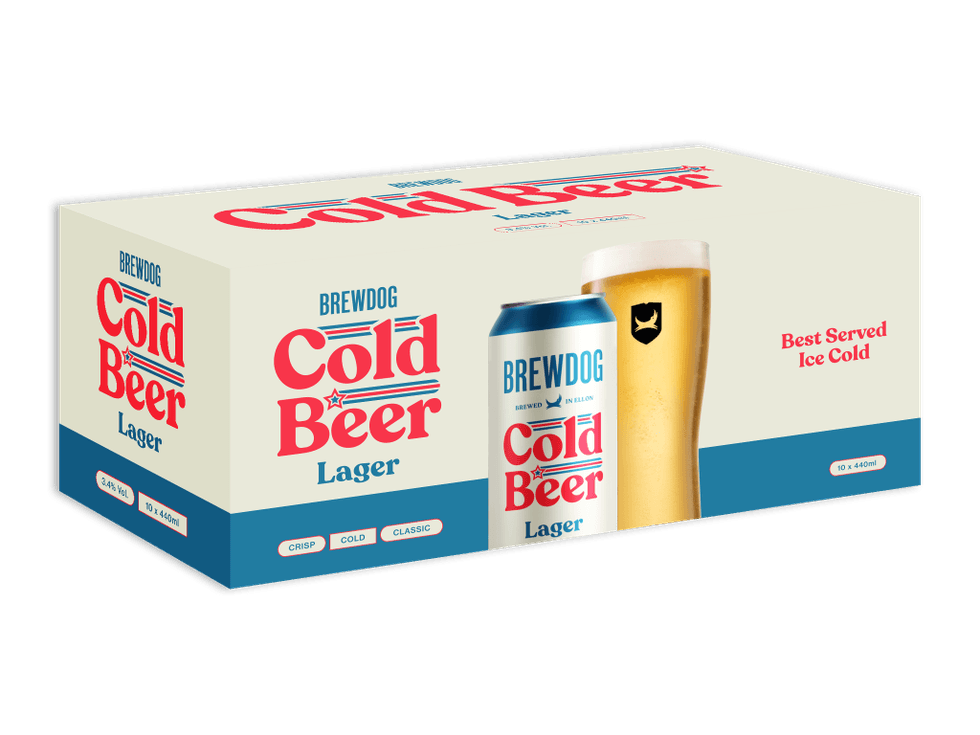 BrewDog Cold Beer Photo: Handout
He added: “Since its launch in 2024, Cold Beer has driven our lager volume growth to outperform total lager [Circana] and helped to establish BrewDog within the crowded lager category, with a strong ABV and price proposition that appeals to the impulse shopper. We hope that this will continue as we deliver the fan favourite, alongside Lost Lager in a format that meets demand and a price that delivers value to the shopper whilst also maintaining a consistent margin for retailers.”
Price-marked packs resonate powerfully with shoppers under household budget pressure, and the PMP message will be returned to throughout this feature – it matters in cider every bit as much as it does in beer.
Carling, meanwhile, is using major sporting moments to drive category engagement around its core packs. The brand – the UK's leading core lager – has launched 12 limited-edition can designs for its 4x440ml, 10x440ml and 18x440ml multipacks, inspired by iconic moments from the FA Cup and Women's FA Cup. Each can is collectible, and every pack features a QR code linking shoppers to an interactive page where they can watch clips of the moments depicted.
“The Emirates FA Cup and the Adobe Women's FA Cup are two of the biggest moments in the football calendar, bringing fans together across the country,” McLaughlin said. “That creates a huge opportunity for retailers to tap into the excitement and drive sales around the occasion.”
Carling research shows around half – 55 per cent – of UK adults are interested in watching the FA Cup finals, while Kantar data indicates that major football fixtures deliver an average 13 per cent uplift in UK grocery beer sales on match days. Carling's 2025 FA Cup on-pack promotion saw a 45.6 per cent uplift in sales during the promotional period.
Retailers can also win tickets to the FA Cup finals at Wembley through purchase incentives at selected wholesalers and franchised partners including Spar, Co-op Wholesale, Bestway and Unitas.
“Major sporting events represent a significant opportunity for retail, and Carling's promotional multipacks help retailers capitalise on the moment – tapping into shoppers' excitement and making their stores the go-to destination for fans stocking up ahead of the big matches,” McLaughlin added.
No-and-low: 200+ million pints
If premiumisation is the most commercially valuable trend in the beer category, no-and-low is the most structurally important. No-and-low is the fastest-growing ABV segment in convenience, up 20.4 per cent, adding £3.1m to category value [NIQ Scantrack]. As of May 2025, 53 per cent of UK adults have drunk no-and-low-alcohol beer, wine, cider, spirits or cocktails in the past twelve months. Mintel estimates the total market value of no-and-low-alcohol drinks at £413 million.
The British Beer and Pub Association has described 2025 as a record year for the no-and-low beer market, with 200 million pints expected to have been consumed by year end, including 22 million pints over the festive period alone. This represents an increase of nearly 20 per cent on 2024, and the segment now accounts for 2.7 per cent of the UK's total beer market.
Well-known brands such as Guinness 0.0%, Heineken 0.0% and Peroni Nastro Azzurro 0.0% are leading the way, together accounting for 60 per cent of no-and-low sales in convenience [NIQ Scantrack], underscoring the trust shoppers place in established names to deliver great taste without alcohol.
The BBPA has called on the government to support further innovation by changing the definition of “alcohol free” from 0.05 per cent to 0.5 per cent ABV – a limit already in place across much of Europe.
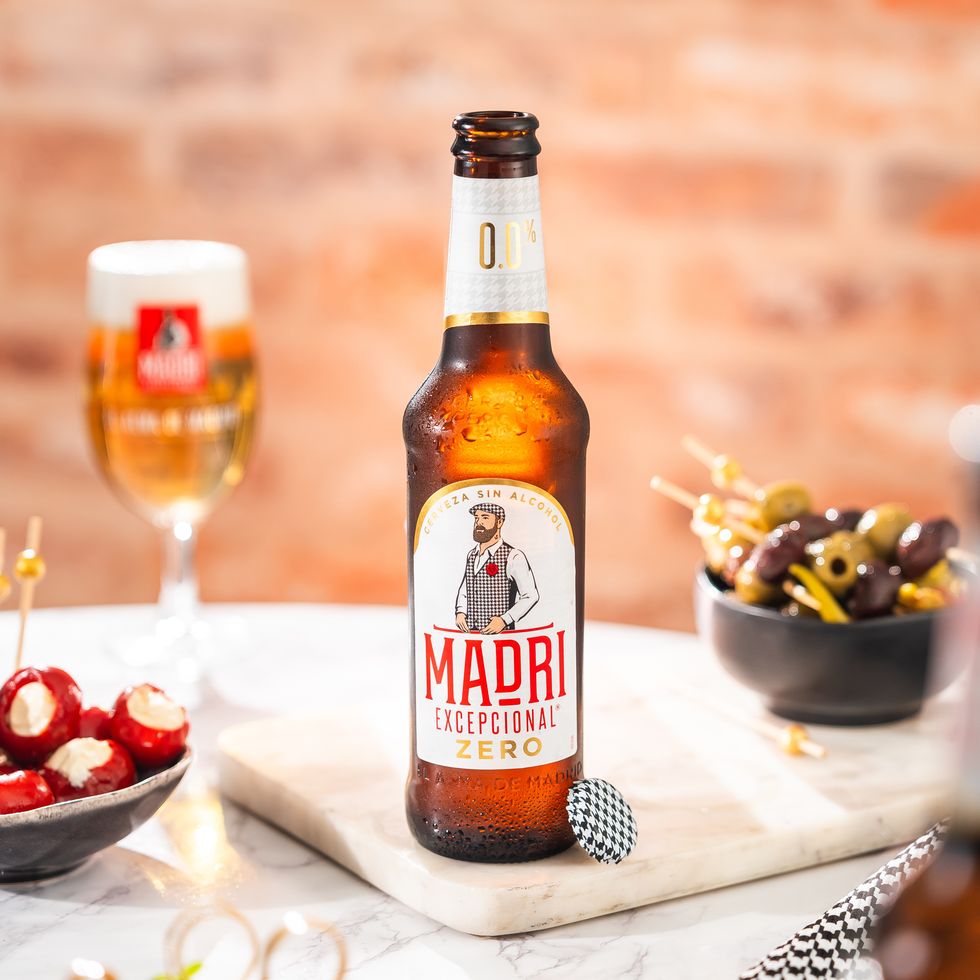 Madrí Excepcional 0.0% Photo: Handout
The scale of the no-and-low opportunity is underlined by Molson Coors' Fawell.
“Between 2016 and 2025, UK adults moderating their alcohol consumption surged from 36.4 per cent to 45.9 per cent – an additional 3.5 million people choosing to drink differently [Kantar Alcovision MAT],” he said.
“The off-trade market is now worth upwards of £219m in retail and experiencing 16 per cent year-on-year value sales uplift [Circana]. We've responded by backing the segment with some of our biggest brands, including Madrí Excepcional 0.0%, which has already generated over £2m in retail sales just a year after launch, and has become one of the top five most commonly sold multipacks.
“We now have options in lager (Madrí Excepcional 0.0%, Cobra Zero and Staropramen 0.0), ale (Doom Bar Zero) and cider (Rekorderlig Alcohol Free) – with a range well placed to attract new consumers and help retailers tap into the opportunities that a booming market brings.”
Social currency of beer
Not all of beer's most interesting marketing activity is about format or flavour. Foster's, part of the Heineken UK portfolio with Australian heritage dating to Melbourne in 1888, has launched a campaign rooted in a distinctly British social phenomenon: the affectionate insult as love language.
Research commissioned by the brand found that 59 per cent of British males resort to colourful nicknames as a way of expressing affection towards their mates, even as a quarter admit they have lost more than half their friends in recent years and 61 per cent find it painfully awkward to reconnect.
To champion the love language of British men, and to give them a helping hand in reconnecting with mates they’ve lost touch with, Foster’s has launched the “Love You Cans”.
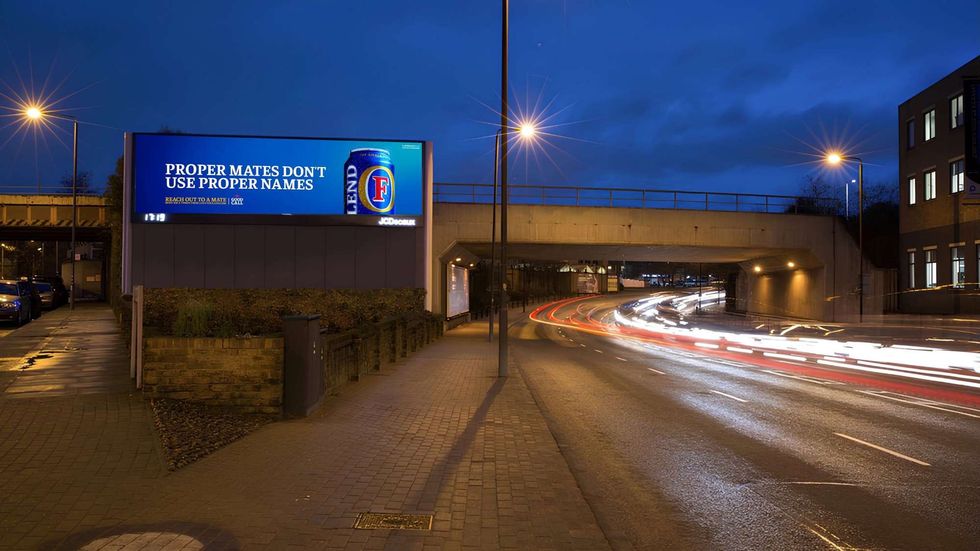 Foster’s launches ‘Swearing Is Caring’ campaign Photo: Handout
“Foster's understands that British mates don't always say 'I love you' and that they have a unique way of showing they care – through banter, humour, and often a cheeky insult,” said Zach Jordan, Senior Brand Manager at Foster's. “The problem is, when life gets busy and friendships drift, it can feel awkward making that first move. 'Love You Cans' is about giving blokes a simple, no-pressure way to reach out, using the language they already throw around with each other down the pub. Send a can, write a note, have a laugh and start that group chat again.”
The limited-edition cans are designed as an olive branch for drifted friendships, and the campaign speaks to the social occasions that beer so often anchors – and that consumers are increasingly choosing to recreate at home rather than in an ever-more-expensive pub.
Cider: Craft grows, value holds
The cider category tells a story that will be very familiar to anyone who has been watching the beer market: volume under pressure, premiumisation accelerating, and a clear consumer signal that authenticity and quality matter more than ever. The latest Westons Cider Report – the 11th – delivers a mixed but directionally encouraging picture for independent retailers.
Cider is now worth £1.1bn in the off-trade, with the convenience channel accounting for over half – 51.7 per cent – of all cider volume, continuing to grow at 1.8 per cent year-on-year against 0.6 per cent for the total category [Circana]. Within convenience, independents are seeing the best year-on-year performance with value growing at 6.5 per cent. Symbols are seeing cider growth of 3.7 per cent.
In raw terms, that makes cider a vital component of every independent convenience store's BWS section.
“We've just published the 2026 Westons Cider Report, which shows that cider is now worth an impressive £1.1bn in the off-trade and makes up 62 per cent of total cider volume,” said Sally McKinnon, Head of Marketing and Strategy at Westons Cider. “Behaviours are shifting in a way that the convenience channel is primed to benefit from. The top reason to pick up a cider is to unwind or chill, followed by spending quality time with others. So, picking up a premium bottle after work or as a treat ahead of social occasions is likely to be driving purchasing decisions.”
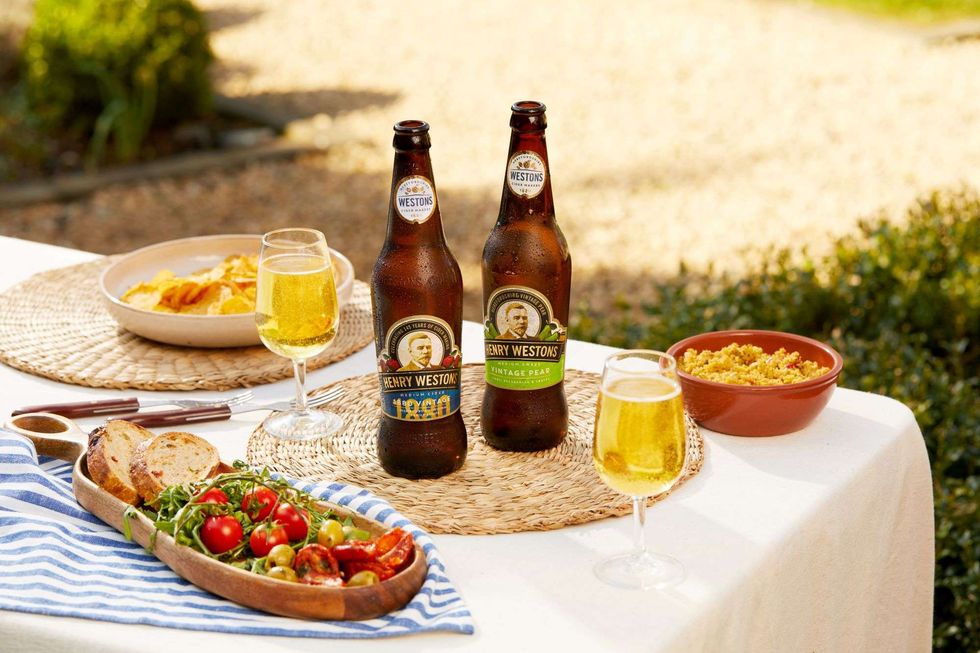 Cider is now worth £1.1bn in the off-trade, according to the 2026 Westons Cider Report Photo: Handout
Total category volume stood at 643 million litres, a fall of 2.6 per cent on the year. But within those broad parameters, apple cider had a very strong year, up five per cent in value sales, with a 67.4 per cent share of the category [Circana]. Fruit ciders, by contrast, saw their share drop to 28.5 per cent, although it is notable that two out of five of the top launches over the past 12 months were in fact fruit varieties, including Kopparberg Strawberry Variety Pack and Old Mout Mango and Passionfruit Cider.
McKinnon continued: “In a continuation of the last few years, apple variants continue to reign supreme in the cider category, making up over two thirds of all sales and growing five per cent YOY while flavoured options continue to lose share.”
The crafted sub-sector is the standout growth story within convenience. Growing 10.4 per cent year-on-year in impulse compared to 7.6 per cent across total off-trade, crafted cider commands a 22 per cent value share in convenience, and 18 per cent at independents, against 25 per cent in the total market, suggesting meaningful headroom to grow [Circana].
“We're also continuing to see that the crafted sub-sector, with its higher price point, is driving growth in the category,” said McKinnon. “And as shoppers continue trading up to more premium options, these options will only continue to gain share.”
Heritage sells
At the apex of the crafted and premium cider market, Henry Westons Vintage stands in a class of its own. Worth £100.4m, it is both the UK's number-one vintage cider and the UK's bestselling cider SKU, with more than one bottle sold every 0.78 seconds [Circana]. At £4.84 per litre – the highest price per litre of the top ten brands – it is a proven profit driver for convenience retailers.
“Henry Westons Vintage really is a must-stock for any convenience retailer looking to make the most of the cider category,” said McKinnon. “The UK's long-reigning number-one vintage cider continues to deliver profit in every bottle for retailers.”
She added: “A key difference which makes Henry Westons continue to stand out is its authentic heritage. Westons remains independently owned, backed by 145 years of heritage, which informs how the cider is created. Apples are sourced solely from within a 50-mile radius of our Herefordshire Mill, before being pressed on site. And Westons remains committed to the fresh juice model – we remain the only cider producer of scale to champion this approach, rather than using cheaper, concentrate-based processes.”
The six-pack format is also performing strongly, up 8.2 per cent year-on-year [Circana]. For retailers with chiller space, Henry Westons Vintage 500ml and the Stowford Press Crisp Apple range – which has just launched fresh branding and is available in both four and ten-pack formats – represent a coherent and commercially robust crafted cider offering. McKinnon's advice to independents is admirably clear: “Don't overthink your cider range; keep it simple and focus on the bestsellers to keep sales steady throughout the summer and beyond.”
Value that delivers
While the premium end of cider captures the headlines, the value segment remains enormously important to convenience retailers – and Aston Manor Cider is the dominant player in this space. Crumpton Oaks is the number-one value cider brand in the impulse channel [Nielsen, MAT] and sells twice as much as its nearest competitor in convenience [TWC].
“Consumers still want to socialise and enjoy quality experiences, but they're being more mindful about how and where they spend their money,” said Natalie Marshall, Trade Marketing Manager at Aston Manor Cider. “Summer and BBQ occasions allow them to enjoy time with friends and family without the cost of going out, which puts affordable, great-tasting cider firmly on the menu.”
With 69 per cent of occasions now taking place in the home [IGD ShopperVista], the warmer months offer retailers a genuine opportunity to grow basket size by positioning cider alongside BBQ food, sharing snacks and seasonal lines. Marshall noted that larger formats are particularly important when shoppers are catering for groups: Aston Manor's Crumpton Oaks 2.5 litre PET is the number-one cider PET in the UK convenience channel, and the 4x568ml pack is up 38 per cent year-on-year [TWC]. Volume sales of the 4x568ml format grow 11 per cent during summer months.
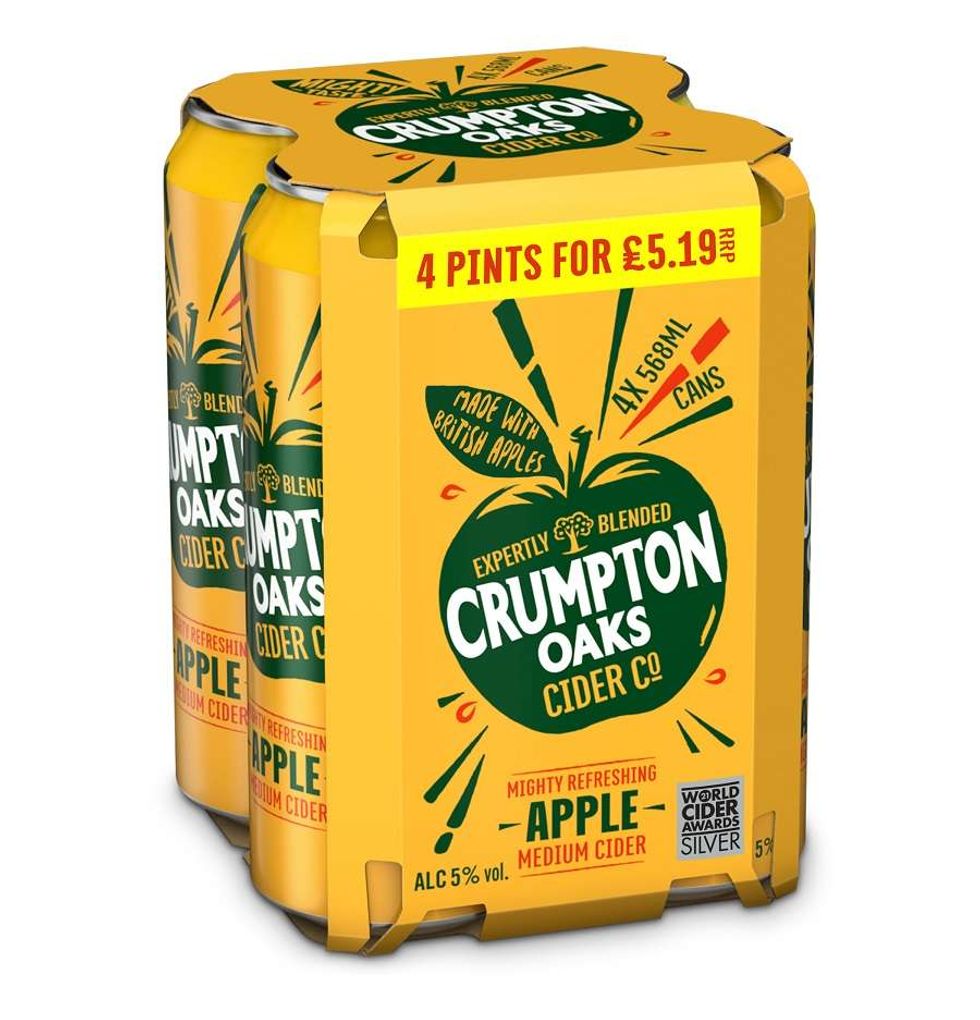 Crumpton Oaks 4x568ml PMPPhoto: Handout
Price-marked packs are critical to communicating value in the current environment, with 75 per cent of retailers agreeing that PMPs give shoppers confidence in pricing [Lumina Intelligence]. Aston Manor's Crumpton Oaks Apple four-pack PMP at £5.19 is positioned precisely to deliver on this need – price assurance for the shopper, reliable margins for the retailer.
Alongside Crumpton Oaks, Aston Manor's Knights Cider is building serious momentum at the premium-value end of the category. The number-one strong cider brand in the UK [Nielsen, 12w/e 01.11.2025] and the number-two cider brand in the convenience channel [TWC, 13w/e 30.11.2025], Knights has delivered 67 per cent volume growth in convenience and 10 per cent growth during summer months.
“Knights Cider is leading this premium-value space,” said Marshall. “Knight's Vintage is one to watch. It's a medium-dry vintage cider crafted from the finest bittersweet apples, offering strong margins for retailers while appealing to higher-affluence shoppers seeking quality at a realistic price.”
Premium innovation
The premium apple cider segment – currently the fastest-growing segment in total cider, worth £195m MAT – is attracting significant new investment. Heineken UK has entered the space with Inch's Reserve, a 7.4 per cent ABV premium cider crafted from apples grown within 40 miles of its Herefordshire mill. Rolling out from 15 March in single 500ml bottle format, it is designed to recruit younger, more affluent shoppers into premium apple cider.
“We want to challenge category norms with the launch of Inch's Reserve and bring modernity to the premium apple cider category, attracting younger affluent shoppers to this segment,” said Max Wainwright, Cider Brand Director at Heineken UK. “When creating Inch's Reserve, our Herefordshire cider makers have retained the recognisable apple-y flavour we know shoppers love from Inch's, the fastest-growing cider brand in the off-trade. Ultimately our aim is to help retailers unlock growth opportunities and drive basket spend.”
The launch features bold, disruptive packaging – a bright green label with yellow writing – designed to create standout on shelf, supported by sampling, in-store activation and social media.
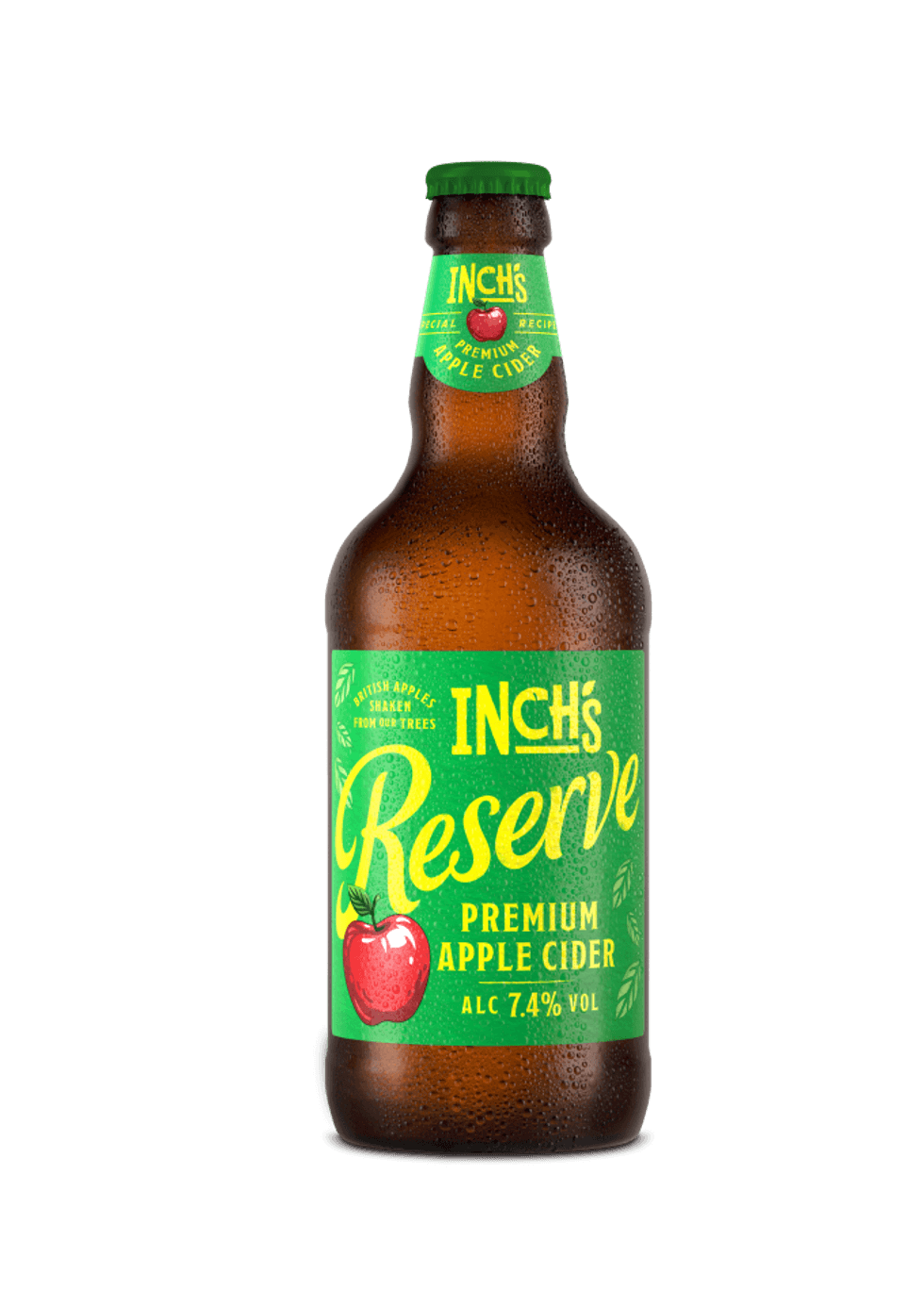 Inch’s Reserve launches in premium cider segment Photo: Handout
Molson Coors' Aspall is also a key beneficiary at the super-premium end. Aspall is the number-one super-premium cider brand in Great Britain, with total value sales growing 13 per cent year-on-year – more than twice the rate of its nearest competitor [Circana]. Retail performance is particularly strong, with Aspall sales growing 8.2 per cent year-on-year in the off-trade channel – making it, in Fawell's words, “an essential option for retailers looking to elevate their cider range and cater for different tastes and occasions.”
At the fruit cider end of the innovation pipeline, Molson Coors is expanding the Rekorderlig range with a new Pineapple-Kiwi flavour (3.4% ABV, in 500ml bottles and 500ml cans), tapping into the fastest-growing flavour in premium fruit cider. The brand is also rolling out Strawberry-Lime in a 500ml single can format; premium fruit cider single cans are up 85 per cent in value year-on-year.
“Pineapple-Kiwi addresses a clear gap in the market – consumers want tropical flavours but can't find them on shelf,” said Sophie Mitchell, Marketing Controller for Cider and Beverages at Molson Coors. “By launching Pineapple-Kiwi and expanding Strawberry-Lime into this high-growth format, we're giving retailers the tools to drive sales across the summer months and beyond.”
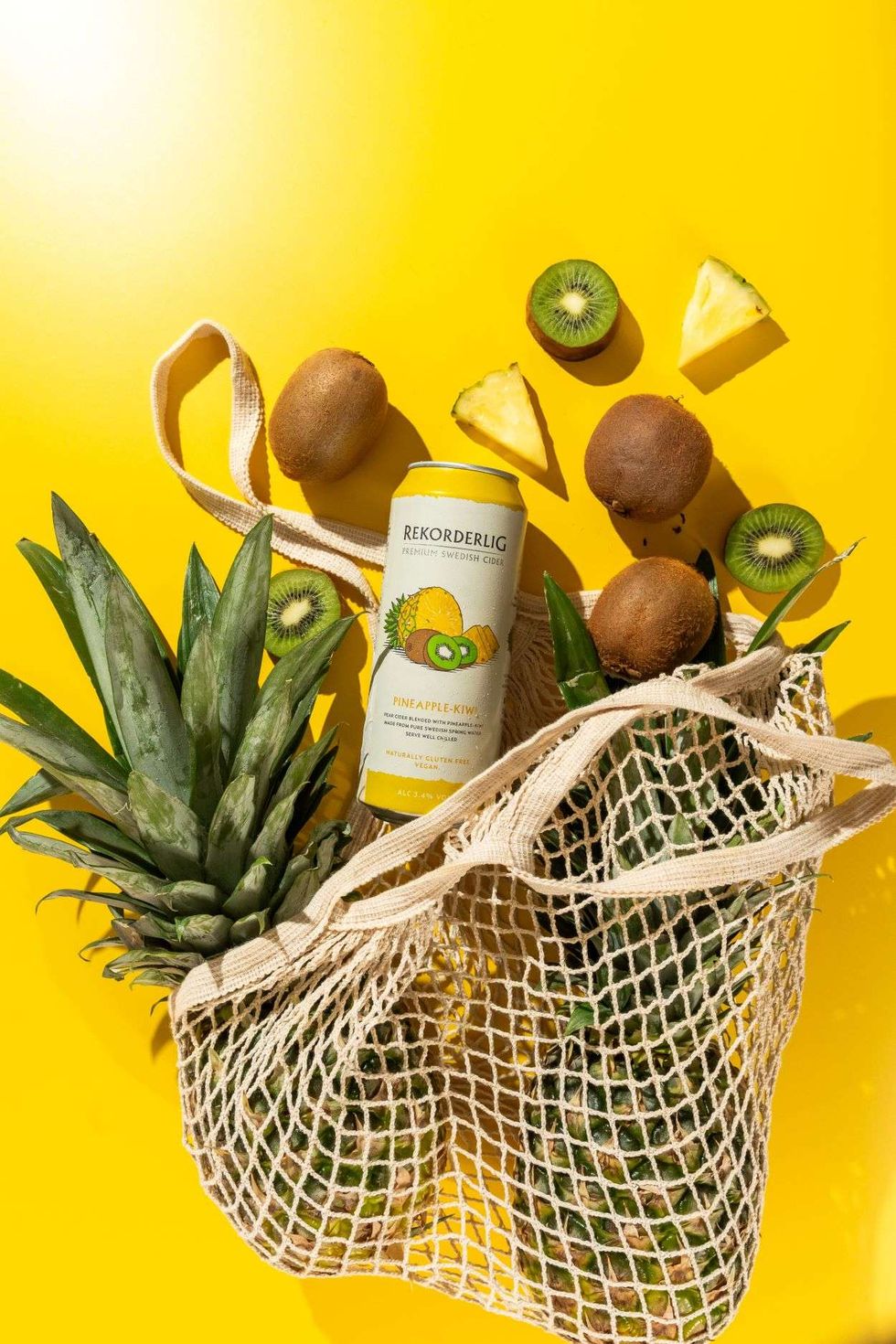 Rekorderlig unveils Pineapple-Kiwi Flavour, expands can format Photo: Handout
Kopparberg has unveiled the first visual brand refresh in its history. The new packaging retains the brand's distinctive black-and-gold identity while introducing more vibrant colour and a boldly amplified “K” brand asset across every pack, rolling out across all multipacks from April 2026. But the brand's message to convenience retailers goes well beyond aesthetics.
“What's changed is the mindset,” said Rob Salvesen, Head of Marketing at Kopparberg UK. “Shoppers are more deliberate: they're drinking less frequently, but when they do, they want something they know will deliver. That's why trusted, flavour-led brands continue to perform well. Premiumisation is still happening, but it's grounded in reassurance and familiarity rather than experimentation.”
Salvesen points to three areas driving incremental growth for the brand within convenience: variety packs – ideal for sharing occasions and increasing basket spend; single-serve chilled cans and bottles for immediate consumption missions; and apple cider variants, particularly sweeter styles like Crisp Apple, which bridge traditional and fruit cider drinkers. Kopparberg has also expanded its Sweet Vintage range with a higher-ABV option designed for more planned at-home occasions.
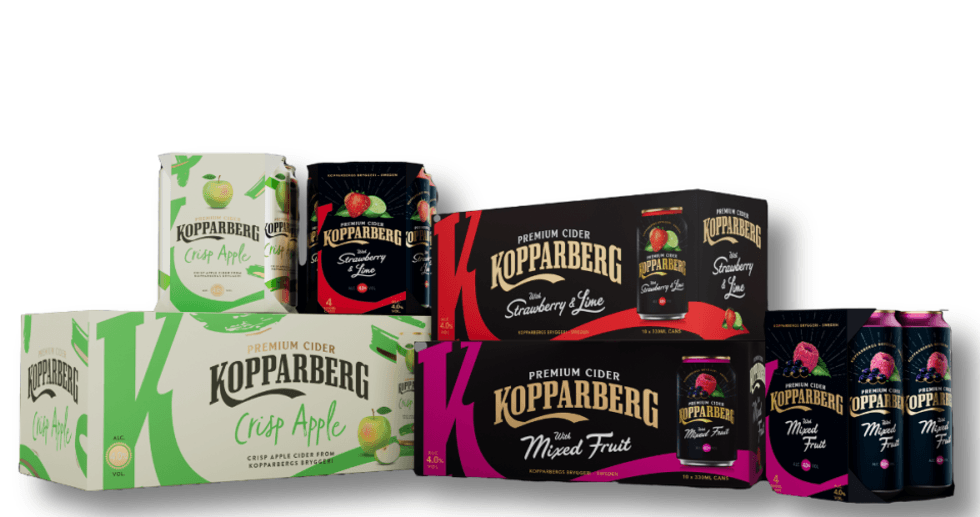 Kopparberg unveils first-ever brand refresh Photo: Handout
His advice on merchandising is equally direct. “Keep it simple and easy to navigate. Shoppers typically come into the category knowing what they want – or wanting something safe. Over-fragmentation creates friction and slows down the shop. Block bestsellers together, signpost flavours clearly, and use secondary displays for seasonal or occasion-based activation. Linking cider to food and snacks is a proven way to drive incremental sales, particularly for 'big night in' or social occasions.”
Winning on shelf
With so much innovation and activity flowing through the category, the question for independent retailers is how to translate this into practical, profitable decisions.
The fundamentals remain unchanged: keep chillers well stocked, ensure bestsellers have sufficient facings and replenish frequently. Westons' McKinnon offers a counsel of productive simplicity: “Focus on trusted brands, with a high rate of sale, to make the most of every purchase. Stocking must-haves such as Henry Westons Vintage in the fridges ensures shoppers can find the UK's top-selling cider quickly and conveniently. Complement a trusted crafted option with other premium ciders, like Stowford Press Crisp Apple to cover all your bases.”
She also advises being weather-aware: “Keep an eye on the weather, as a sunny weekend – especially over a bank holiday – is sure to drive shoppers in store looking for refreshment. Pair that with a summer packed with sport and you've got plenty of opportunities to capitalise on cider, so make sure you're well stocked and replenishing fridges frequently.”
In beer, the premium lager opportunity is best served by ensuring the key brands have strong chiller presence, particularly around sporting occasions and bank holiday weekends. Price-marked packs, pint can four-packs and mid-pack cans should all feature prominently.
Aston Manor's Marshall underlines the importance of visible execution when the temperature rises: “With many summer cider purchases made just hours before consumption, execution in store is critical. Ensuring cider is chilled, highly visible and clearly price-marked can make a significant difference to sales during hot weather. Summer socialising also creates a clear opportunity to build bigger baskets. Linking cider with BBQ food, sharing snacks and seasonal lines helps shoppers quickly build a complete occasion and encourages trade–up.”
The view from here
The beer, lager and cider category in 2026 is one of focused opportunity. Volume pressure is real and unlikely to reverse quickly; the structural shift towards moderation, premiumisation and more considered drinking is a long-term trend, not a blip. But within those parameters, the category is generating real dynamism – in premium lager, no-and-low, crafted and vintage cider, innovative flavours and formats built around how and where people actually drink.
As Westons' Sally McKinnon reflected at the launch of the Westons Cider Report: “There are so many headwinds and tailwinds at the moment, like EPR and DRS (deposit return scheme) that are putting enormous pressure on our industry and on our category. For us, it's about making sure we can navigate these in a really credible way. But we take a long-term view, and it just shows how important it is to make the right decisions for the category.”
Independent retailers who make those right decisions, by curating a range that balances trusted bestsellers with premium and emerging options, pricing clearly, chilling properly and thinking seasonally, are in an excellent position to benefit as Britain rediscovers the affordable pleasure of a great drink at home.
The nation may no longer be able to afford a round in a London bar. But it can absolutely still enjoy an excellent pint – and find one just around the corner.
Know your best-selling ciders
Top 5 2025-26 Cider NPDs in the off-trade
- 1.Inch’s Cloudy Apple Cider (£9.5m)
- 2.Kopparberg Strawberry Variety Pack (£4.7m)
- 3.Old Mout Mango & Passionfruit Cider (£3.5m)
- 4.Henry Westons 1880 Vintage (£3m)
- 5.Kopparberg Vintage Apple (£1m)
Top 10 ciders in Convenience
- 1.Henry Westons Vintage 500ml
- 2.Thatchers Gold 4x500ml
- 3.Knights Cider 500ml
- 4.Strongbow Dark Fruit 4x440ml
- 5.Strongbow Original 10x440ml
- 6.Strongbow Dark Fruit 10x440ml
- 7.Strongbow Original 4x440ml
- 8.Thatchers Gold 10x440ml
- 9.Inch’s Medium Apple Cider 4x440ml
- 10.Strongbow Original 4x568ml
(Source: The 2026 Westons Cider Report)
Cider sorted
Sally McKinnon, Head of Marketing & Strategy at Westons Cider, shares her top tips for making the most of the category this summer
- Focus on trusted brands, with a high rate of sale, to make the most of every purchase. Stocking must-haves such as Henry Westons Vintage in the fridges ensures shoppers can find the UK's top-selling cider quickly and conveniently, to enjoy on the go, at a summer event or simply to appreciate at home.
- Complement a trusted crafted option with other premium ciders, like Stowford Press Crisp Apple, to cover all your bases. With fresh new branding to stand out on shelf, available in both four and 10-pack, Stowford Press also caters to those shopping for group consumption – whether it be planned or impromptu.
- Keep fridges well stocked across sufficient facings with bestsellers – especially single bottles and cans. Keep an eye on the weather as a sunny weekend, especially over a bank holiday, is sure to drive shoppers in store looking for refreshment. Pair that with a summer packed with sport and you've got plenty of opportunities to capitalise on cider, so make sure you're well stocked and replenishing fridges frequently.
- If you have space in chillers for multipacks, that can be a great way to benefit from group purchases. If fridges aren't usable, use ambient space to stack your multipacks for those looking to stock up for entertaining.
Tasting the trends
Rob Salvesen, Head of Marketing at Kopparberg UK, outlines four consumer trends retailers should watch this spring.
- First, “less but better” continues to shape behaviour. Shoppers are looking for quality and consistency rather than simply trading up for the sake of it.
- Second, flavour remains central to the category. Familiar, fruit-led profiles still dominate, but there’s also momentum in adjacent spaces like sweeter apple cider, which is bringing new shoppers into the category.
- Third, at-home socialising is firmly embedded. Whether it’s a sunny afternoon or a planned get-together, retailers should think in terms of occasions rather than just products. Variety and shareable formats are key here.
- Finally, moderation continues to grow in relevance, with alcohol-free and lower-ABV options becoming part of the mainstream shop rather than a niche add-on.