




There used to be a photograph on the front of Malcolm's Store Costcutter in Coventry that greeted every customer walking in: Paul Cheema's parents, Malcolm and Baljit, standing among the shop's veg aisles beneath a line declaring the family “proud to serve the community since the 1980s.” They opened the shop on Elm Tree Avenue in May 1982. A refit last year gave the shopfront a different look, but the story behind that photograph is still the first thing Paul reaches for – a reminder that, 44 years on, this is still a family business before it is anything else.
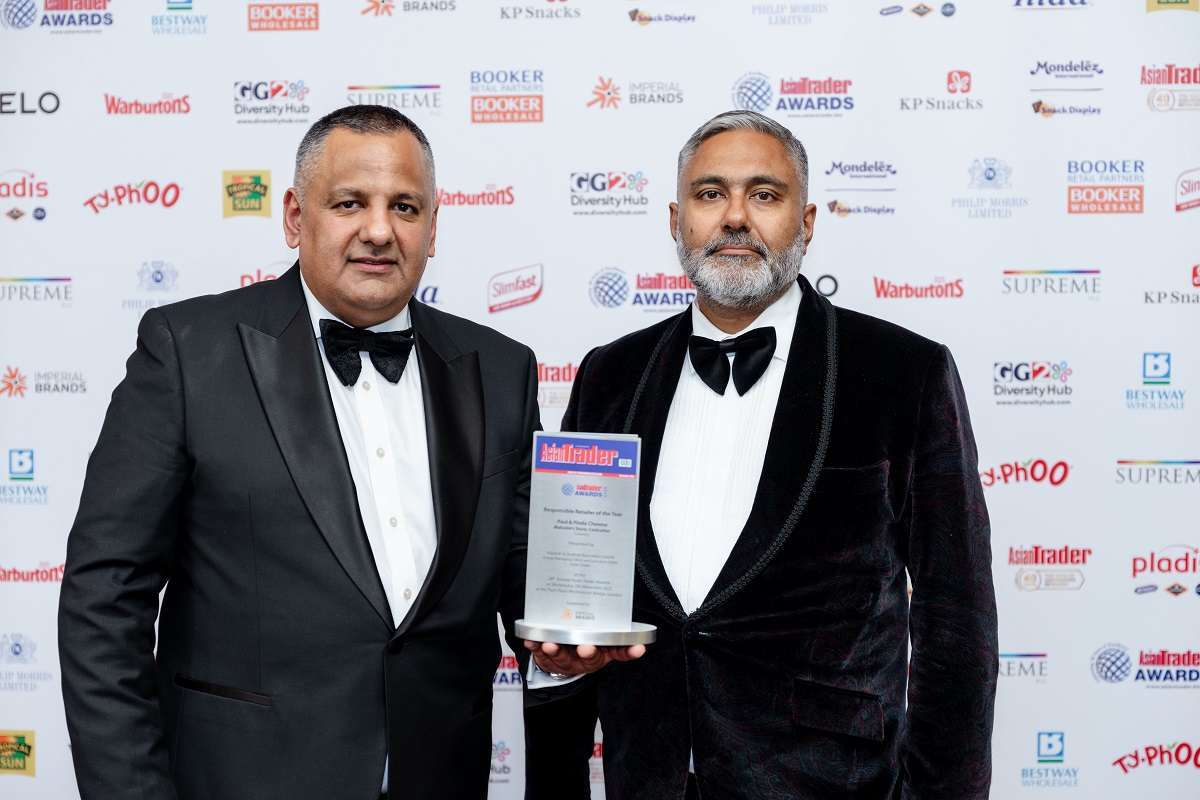
These days it is Paul, his brother Pinda, their wives Dav and Mandy, and the third generation, Pinda's son Dylan, who run the till, order the stock and keep the shop going. It is also home to a trophy: in November last year, Paul and Pinda were named Responsible Retailer of the Year at the Asian Trader Awards in London – acknowledgement for a year in which Paul became one of the most recognisable campaigning voices in independent retail, and a familiar face to MPs, councillors and journalists well beyond Coventry.
Ask him about the store first, though, and he talks community before he talks crime. “Connection with the community is amazing,” he says. “We do a lot of community events, a lot of charity support with our local councillor, Marcus Lapsa, and we're always doing stuff for the community – that's what we've always been known for.”
This summer that meant yellow and red beanbags outside the shop, part of a World Cup partnership that got the whole neighbourhood watching matches together. Asked, cheekily, whether the choice of colours meant he was secretly backing the eventual champions, Paul doesn't miss a beat: he was backing England, he says, “obviously” – even if the beanbags didn't get the memo.
It is a rare light moment in a year that has largely been defined by a fight. Twelve months ago, Cheema was already known to Asian Trader readers as the founder of Protect Your Store, Have Your Say, a grassroots letter-writing campaign highlighting the dangers illicit tobacco and vapes trading pose to the convenience sector. Retailers submit a pre-written letter through a dedicated website in a few clicks, and the system prints and dispatches it straight to the business secretary.
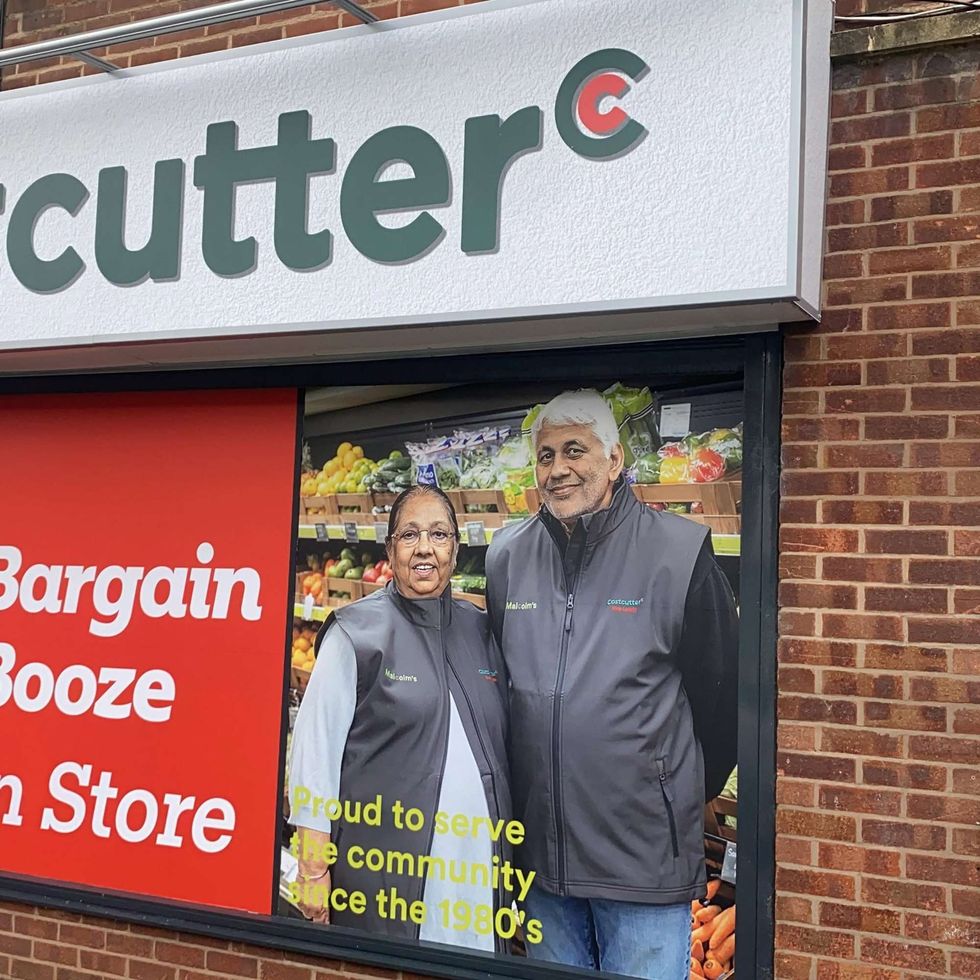 Malcolm and Baljit Cheema's picture until recently featured on the front of Malcolm's Store Costcutter in Coventry Photo: Handout
What started, in his words, as “friends talking to each other” about shops up and down the country undercutting legitimate retailers has since grown into something closer to a movement. “We weren't getting support from the police, we weren't getting support from trading standards,” he says. “I thought, we need to create a campaign collectively with retailers and take this to government.”
What makes Cheema's account striking is who he insists gets the credit. Not any trade body, he's quick to point out, but retailers themselves. “It wasn't any association. It wasn't the FWD, it wasn't ACS,” he says. “It was us retailers, collaboratively, getting together and telling government this is a problem – working with the media and saying, look, this is what's happening in our neighbourhoods.”
That media push landed: the BBC, ITV, GB News, the Times, the Telegraph, the Sun and the Mail all picked up the campaign, turning a Coventry shopkeeper's frustration into national coverage of illicit tobacco flowing into the hands of children.
“It wasn't just me,” he adds. “It was the collaboration of retailers. Independent retailers throughout the country got together and brought this campaign to the forefront of government, and I think that's something that us retailers should be proud of.”
The campaign's most striking piece of evidence came when Cheema decided testimony alone wasn't enough. “When local councils aren't listening to you, if you want to make your point heard, you've got to go the whole hog – you need evidence behind it,” he says. So he hired a professional fraud team to visit 32 shops across the local area. All 32, according to the findings, were selling illegal cigarettes. It's the kind of number that makes a case for you: Cheema took it straight back to the council that had waved away his complaints.
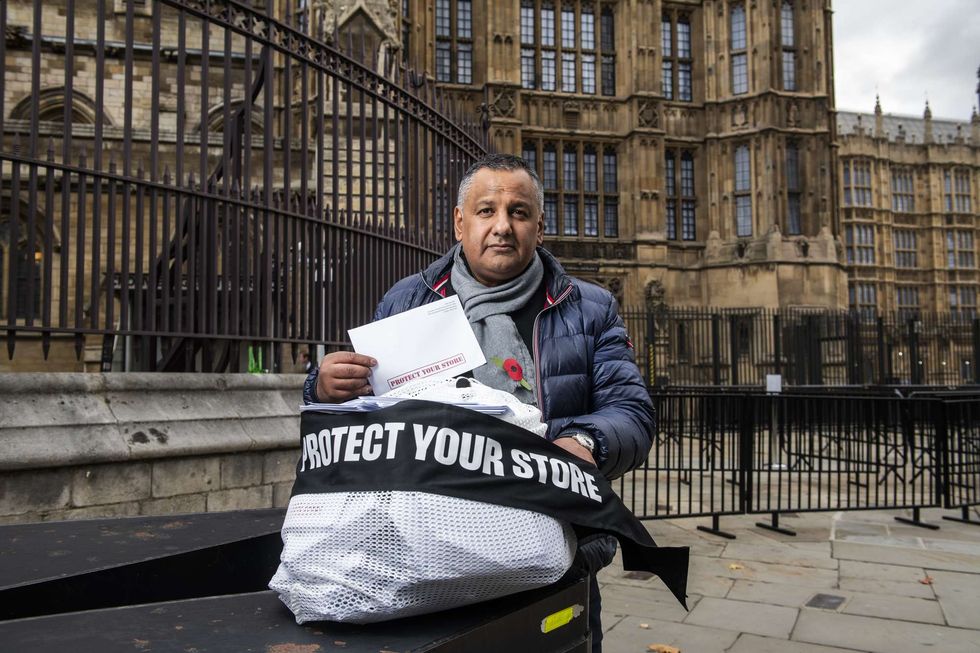 Paul Cheema Photo: Handout
That evidence didn't come without risk, and Cheema doesn't pretend otherwise. “It was a scary moment,” he admits, “because you know something could go wrong, or one of these people could knock on your front door.”
He describes the decision to speak out as instinctive rather than strategic. “You have to protect what's yours,” he says. “We're law-abiding retailers, we've been in retail a long time, and if you want to stay, you need to protect what's yours. You cannot let these dodgy shops be fuelled by dodgy landlords.” That line about landlords is one he returns to more than once – his conviction that organised crime, not opportunism, sits behind much of the illicit trade he has spent the past year exposing.
He has written to two successive secretaries of state for business and trade over the past year – first Jonathan Reynolds, then, after a ministerial reshuffle, Peter Kyle. In October, Cheema personally delivered 1,435 letters to Kyle's mailroom. The response, by his own account, has been silence. “Peter Kyle never responded to any of our letters,” he says. “But I think they got the noise.”
It's a candid admission that sits at the heart of this profile: Cheema doesn't claim victory. Asked whether his concerns about the now-passed Tobacco and Vapes Act have been borne out, he's blunt.
“I don't think we won our battle, so I was a bit upset about that,” he says. “But I think we got our voice heard. It's about making the government realise it's not just about Sainsbury's and Tesco – it's about community stores that provide local jobs and provide for their local areas. We're equally as important as the big boys.”
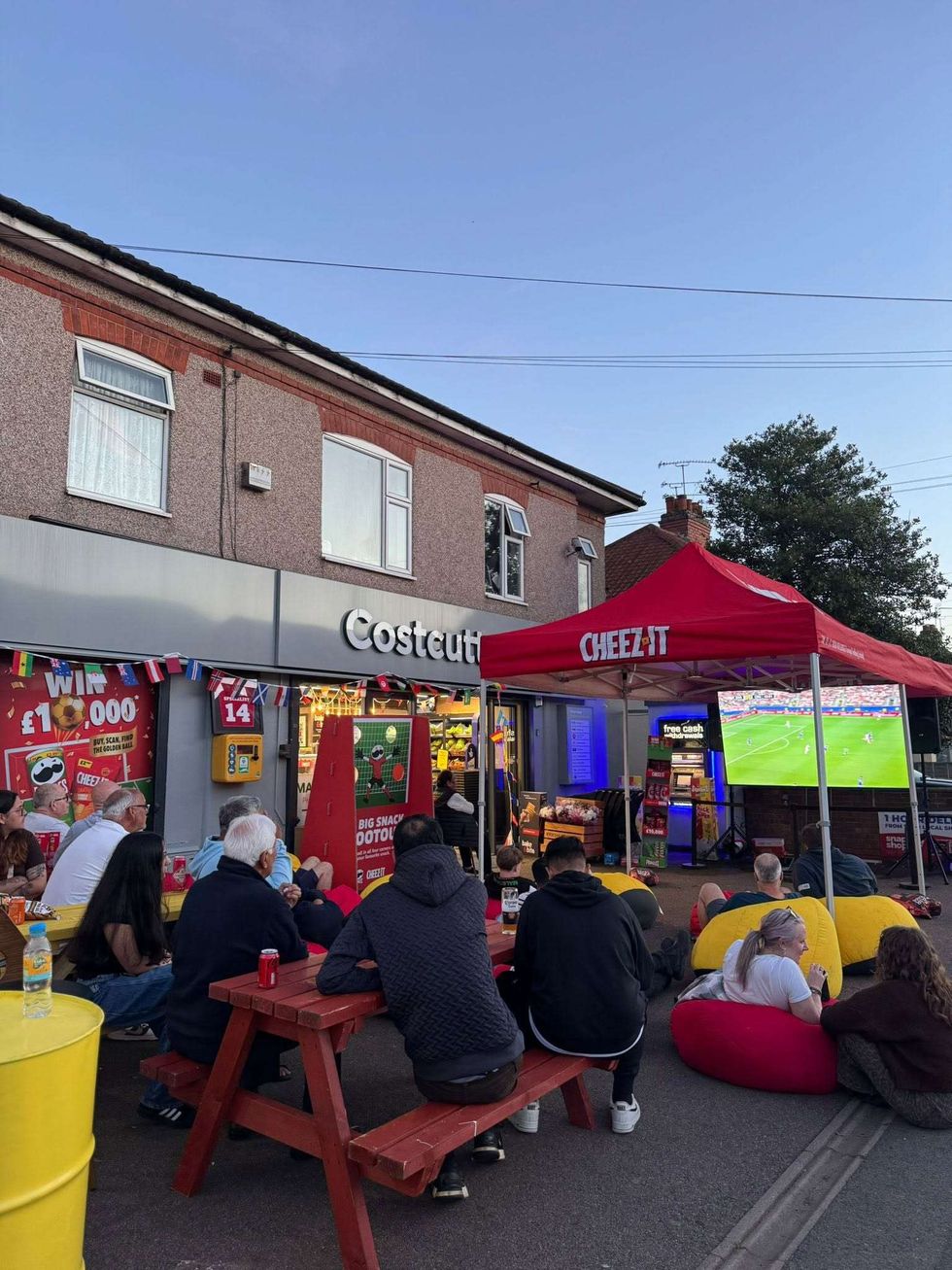 FIFA World Cup watch party in front of Malcolm's Store Costcutter in Coventry Photo: Handout
Next on his list: making sure the incoming licensing scheme for tobacco and vapes – which he wants brought in line with alcohol licensing – is shaped by retailers rather than imposed on them from Westminster. “We're going to make some noise around that. So, the work hasn't stopped,” he says.
If illicit trade is the campaign that made Cheema's name, shop-floor abuse is the one that worries him most. “It's always going to be there,” he says. “The police don't come out, there's no support for local stores.”
Coventry retailers have built their own safety net – a WhatsApp group of nearly 300 shops sharing warnings in real time – while Malcolm's Store itself now runs staff headsets, enhanced CCTV and panic buttons on every till. “But how much more money can you spend?” Cheema asks. “We're independent retailers – we don't have the same pot of money that Sainsbury's and Tesco have.”
For the emotional toll that abuse takes on his team, he credits a single lifeline: GroceryAid. “If GroceryAid wasn't there, who would we go to for support? There's no one else. The government hasn't got a mechanism for this, which I think is wrong.”
Cheema is clear-eyed about where the next flashpoint is coming from: the generational smoking ban, now law under the Tobacco and Vapes Act, which makes it illegal to ever sell tobacco to anyone born on or after 1 January 2009. Unlike an ordinary age check, that cut-off doesn't move – it stays fixed as those customers get older, which Cheema expects to cause confusion and confrontation at the till once the ban takes effect in January 2027. “That's not what I'm paid to do,” he says of the abuse his team can face over a simple ID check – and it's this, more than the stock losses, that keeps him awake.
 Photo: Handout
On staff training, his approach is straightforwardly honest rather than corporate. “Any new rules and regulations that come in, we talk to our team about it and tell them what's going on,” he says. “It's hard for them as well – how many more things do you want them to learn and take on? But that's the one thing they're all worried about: the abuse.”
That frustration with Westminster's distance from the shop floor isn't new. In a Christmas column for Asian Trader last December, Cheema used his festive wish list to needle the government over its silence, revealing a wider set of pressures behind the campaigning headlines – business rates, rising costs and a Budget he felt had piled yet more strain onto small stores. His fix wasn't a handout, but unity: retailers speaking with one voice, brands spending more time on shop floors instead of in head offices, and a more streamlined, less paperwork-heavy way of running an independent store.
It is the same argument, dressed differently, that runs through everything else he does.
For all the battles, Cheema remains firmly optimistic about the sector itself. “Convenience retail is good — it's here to stay, and that's the best thing,” he says. On the growing presence of supermarket-owned convenience formats on the high street, he is unbothered. “Most convenience store operators are family-run businesses, and what we do is what supermarkets can't do,” he says. “We're good family-run convenience retailers giving support to our local communities. No corporation can do what we do – that's what we're proud of as independent retailers.”
It is a philosophy that runs through his award entry, too, where he set out the principle guiding Malcolm's Store above all others: revenue and reputation aren't in competition, but reputation always wins. As he put it in his submission, “you can't achieve the latter without the former. Revenue is secondary, reputation is everything.”
His advice to anyone opening their first convenience store today is characteristically communal. “Reach out, speak to your peers in the industry – everyone wants to learn,” he says. “Don't hesitate, because that's how we all learn; we're all learning every day. Go to networking events, go to awards like this one, because that's when you'll meet like-minded retailers, and like-minded retailers will always help you.”
He pauses, then adds the line that sums up everything he has spent the past year trying to prove to Westminster. “We're one community.”