



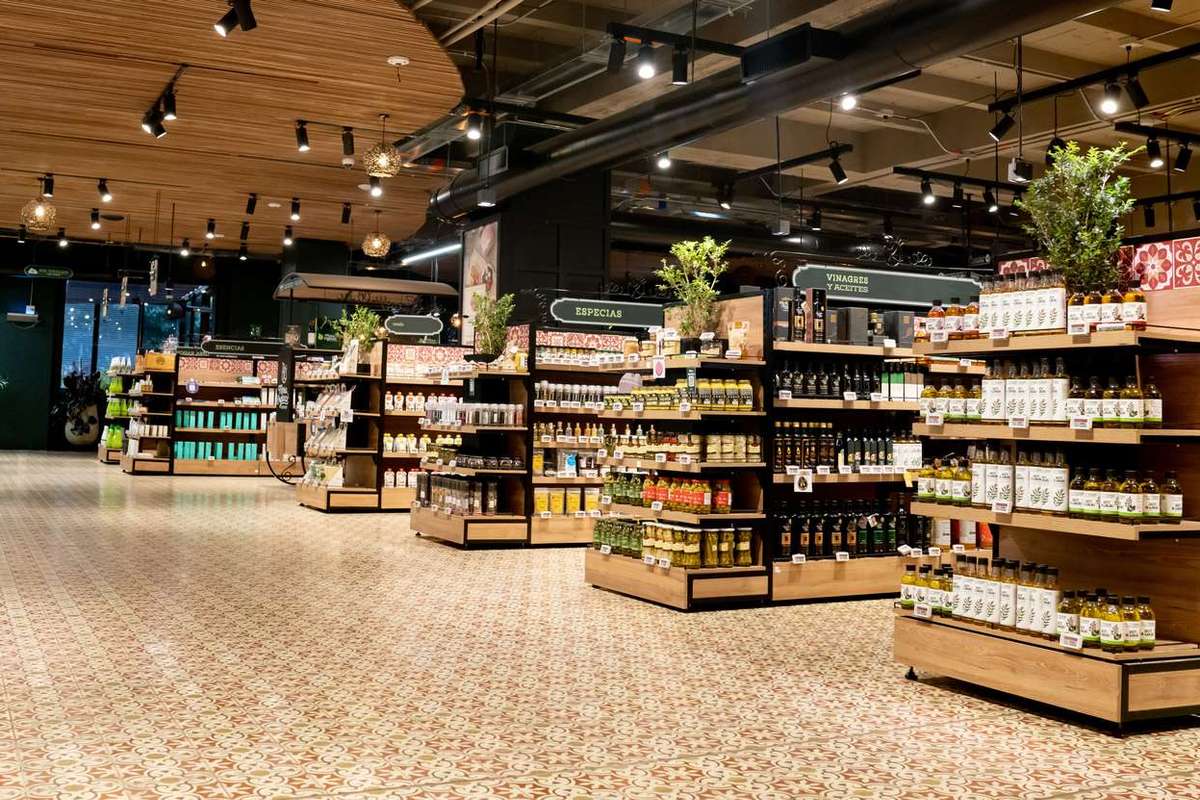

Independent retailers could be missing out on more than £1,000 in additional annual customer spend by overlooking the impact of in-store ambience, new research commissioned by Faire suggests.
The study found that small changes to lighting, scent, music and store layout can influence how long shoppers stay, how much they browse and how much they spend, offering retailers a potential alternative to relying on discounts to drive sales.
Four in five shoppers (83 per cent) said they can immediately tell whether a retailer has put time and effort into creating a pleasant ambience, based on factors including lighting, layout, scent and music.
When an independent shop had clearly considered how it looks, sounds and smells, 87 per cent of shoppers said they would stay longer than planned, while 86 per cent said they would browse more. Almost three-quarters (73 per cent) said they would spend more than intended.
However, a poor first impression can have the opposite effect. Nearly three-quarters (74 per cent) of shoppers said they had avoided entering a shop because it looked bland, harsh or unappealing.
Loud music was the second biggest deterrent, cited by 53 per cent of shoppers, followed by pushy staff (43 per cent), bad or overpowering smells (37 per cent), messy shelves (36 per cent) and cluttered layouts (32 per cent).
Natural daylight was the lighting choice most likely to encourage shoppers to stay longer, selected by 42 per cent, followed by warm amber lighting (34 per cent) and soft, lamp-style lighting (22 per cent).
Vanilla was the scent most likely to encourage shoppers to remain in-store for longer (39 per cent), ahead of fresh linen or clean cotton (32 per cent) and citrus (23 per cent).
Pop music topped the list of preferred shopping soundtracks at 26 per cent, while R&B, vinyl records and 1990s or 2000s throwbacks were each chosen by 17 per cent. However, 14 per cent said they preferred no music at all.
Read More: Younger consumers seek experience-led in-store retail
Charles Spence, professor of experimental psychology at the University of Oxford, said physical shops had an advantage over online retail because they could engage senses that digital channels could not.
“There's a real sensory imbalance in modern retail. Our eyes and ears are overstimulated everywhere we go, through screens, adverts and notifications, while touch, taste and smell are left almost completely understimulated. The shops that do best are the ones that lean into those senses, rather than just adding more lighting or louder music,” he said.
“Something as simple as a bunch of scented flowers by the till, or letting people handle a fabric or product, does more than most retailers realise. There's even a recognised phenomenon called the Midas Touch effect, where a brief, natural touch from a member of staff makes people respond more warmly to a brand. None of it works if it feels forced, but get the senses right, and a shop gives people something a screen simply cannot.”
Cathrine Jansson-Boyd, professor of consumer psychology, said sensory details could have a direct psychological impact on purchasing behaviour.
“There's a genuine psychological reason atmosphere converts browsers into buyers, and it's worth retailers understanding the mechanics behind it. When a customer picks something up and handles it, it can trigger what's known as psychological ownership - on some level they start to feel the item is already theirs, which makes them more reluctant to put it down and more likely to buy it. That's a strong argument for open, touchable displays over locked cabinets or overly precious merchandising,” she said.
“Scent works differently but just as powerfully: it's closely tied to memory, so a pleasant smell can leave a positive impression that lingers long after a customer has left, while an overpowering one does the opposite.
“Retailers should also know that most shoppers make up their minds about a shop within about 20 seconds of walking in, often without realising it - so lighting, layout and that first sensory hit matter as much as anything on the shelf.”
 Shoppers rank clean and tidy surroundings highest for their ideal independent shopPhoto: iStock
When asked what they would want from their ideal independent shop, shoppers ranked clean and tidy surroundings highest (58 per cent), followed by an easy-to-navigate layout (52 per cent), good lighting (50 per cent), non-pushy staff (46 per cent) and an attractive window display (43 per cent).
Smaller touches could also help create a distinctive retail environment. Vinyl records playing behind the counter (23 per cent), reusable carrier bags (24 per cent), candles on tables (22 per cent), understated neon signs (20 per cent) and hanging plants (19 per cent) all featured among shoppers' preferences.
Merchandising also mattered, with 33 per cent of shoppers preferring products styled together as a complete look rather than displays organised purely by category.
A well-decorated shop and well-thought-out layout were the features most likely to encourage customers to return more often, both cited by 58 per cent of shoppers.
The research also suggested a significant potential financial impact. Manchester shoppers said attractive layouts, lighting and displays encouraged them to spend an additional £1,386 over the previous year, followed by London (£1,320.10) and Newcastle (£1,247.40).
Charlotte Broadbent, UK general manager at Faire, said independent retailers were well placed to experiment with the in-store experience.
“Independent retailers are what give the UK high street its character, and this research shows what a difference small details can make to their bottom line. Independents can curate, adapt and experiment with scent, sound and layout in a way larger retailers can't, and that is a real point of difference,” she said.
Customer experience expert Stephen Spencer added that sensory cues could influence shoppers' perception of value and encourage them to spend more and return.
“It's not rocket science, it's neuroscience. Smells, sounds, all the senses trigger emotions. And if they're the right emotions for the moment, they give people a higher perception of value. They make them feel more relaxed about spending more money, and they encourage them to stay longer,” he said.
“It really applies to almost any store: you need to start by revisiting your brand's proposition. Every retailer should work out their own, multi-sensory brand experience. Get the ambience right, it doesn't just win the sale on the day, it's what brings people back.”