



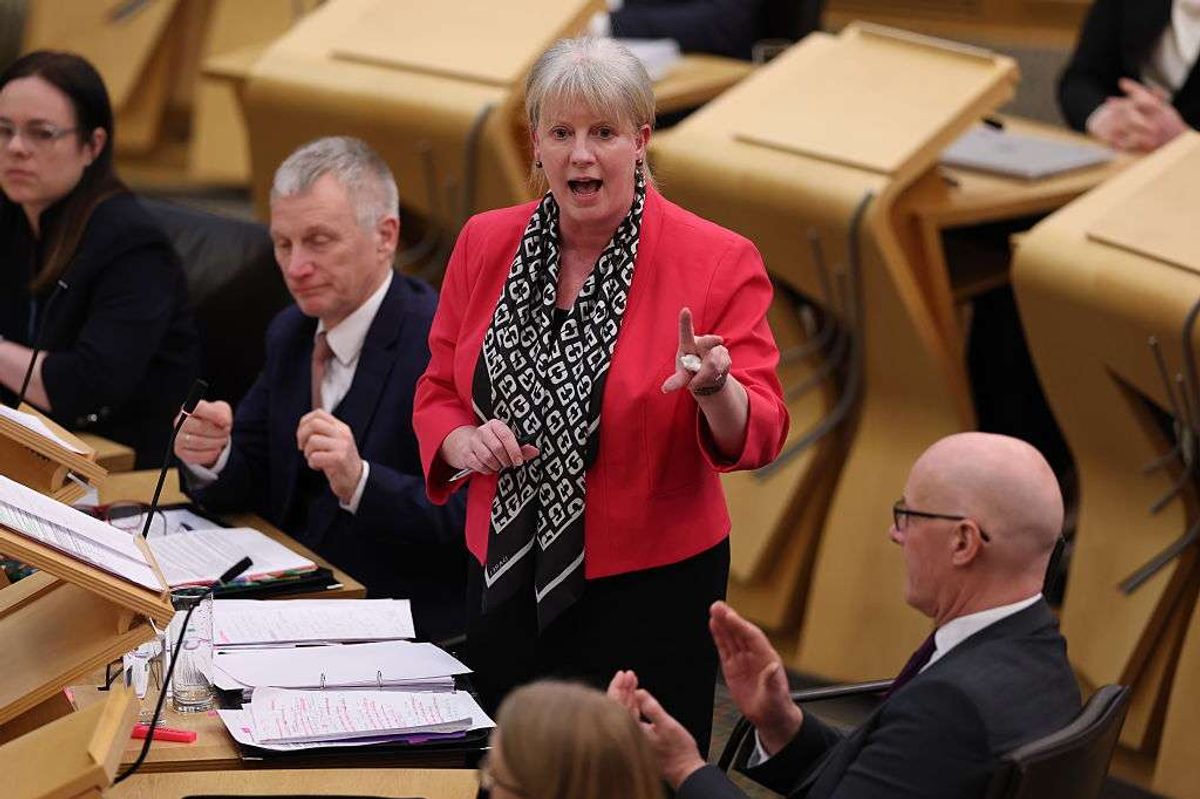

Scottish convenience retailers are set to benefit from a 15 per cent business rates relief under the Scottish Budget 2026/27, a move welcomed by the Scottish Grocers’ Federation (SGF) following a joint campaign by retail trade bodies.
In the Budget, finance secretary Shona Robison also confirmed a reduction in the basic rates poundage from 49.8p to 48.1p, alongside continued support for the Small Business Bonus Scheme. SGF said the announcements represented “a step in the right direction” after years of calls for parity with reliefs available elsewhere in the UK.
SGF chief executive Dr Pete Cheema said: “Since Covid, SGF and our partners across the Scottish retail sector have been urging the Scottish government to match reliefs for retail business provided elsewhere in the UK. This year, the finance secretary has finally taken a step in the right direction.”
He added that local shops were “at the heart of their communities” but had “consistently paid more”, leaving Scottish businesses disadvantaged compared with equivalents in England.
Under measures set out for non-domestic rates 2026-27, retail businesses with a rateable value of up to £100,000 will qualify for 15 per cent relief for three years, capped at £110,000, while stores in islands and three remote areas (Cape Wrath, Knoydart and Scoraig) will receive 100 per cent relief. Properties will be revalued from 1 April 2026, with new transitional reliefs capping increases in gross bills linked to revaluation.
SGF also welcomed continued funding for the Retail Crime Taskforce, with £3m renewed in a wider policing resource increase. However, the federation said crime remained “the number one issue” for many retailers and urged further action.
Cheema said: “Police Scotland’s Retail Crime Taskforce has done remarkable work in its first year, with a very limited budget. Now that resource needs to be expanded so that it can deliver a genuine and meaningful long-term change.”
Commenting on the Budget, Scottish Wholesale Association (SWA) chief executive Colin Smith backed the business rates movement, saying it would “help stabilise costs across parts of our supply chain”.
“These measures matter, especially for the SME and family‑run Scottish wholesalers which continue to absorb rising wage, energy and fuel costs, and for those operating in rural and island communities where distribution challenges are even more acute,” he noted.
However, Smith described the Budget as “cautious” and called for “targeted support” to back innovation, sustainability and skills across the supply chain.
“When costs rise anywhere – from producers to hospitality and retail – wholesalers feel it first and hardest,” he said.
“To maintain confidence to invest, our sector needs targeted support that backs innovation, sustainability and the skilled workforce we rely on – the very priorities we have set out in our election asks for the next Scottish Parliament. Greater clarity and confidence in the long‑term policy direction will be essential if wholesalers are to plan, invest and modernise at the pace Scotland needs.
The British Independent Retailers Association (Bira), however, said the Budget missed a crucial opportunity to deliver meaningful business rates reform at a time when many small retailers are already under severe financial pressure.
“Whilst we welcome some new support for high street businesses, this Budget was a missed opportunity to take bolder action to revitalise Scotland’s high streets,” Andrew Goodacre, Chief Executive of Bira, said.
“Business rates are rising following revaluation, and a 15 per cent discount does not reflect the scale of the challenges facing independent retailers. The Scottish government could have gone further while still maintaining overall income.”
The Scottish Licensed Trade Association (SLTA) also struck a more critical note, warning the Budget had not gone “anywhere near far enough” for licensed hospitality. Managing director Colin Wilkinson said the sector’s calls to continue the existing 40 per cent support package had not been met, and highlighted concerns about revaluation-driven increases, alongside limited support for higher poundage rate payers.
“The devil will be in the details following the Budget announcement and will need to be assessed further but it is no wonder there is a very real anger towards the Scottish government for its failure to provide meaningful support to the sector in Scotland,” Wilkinson said.