



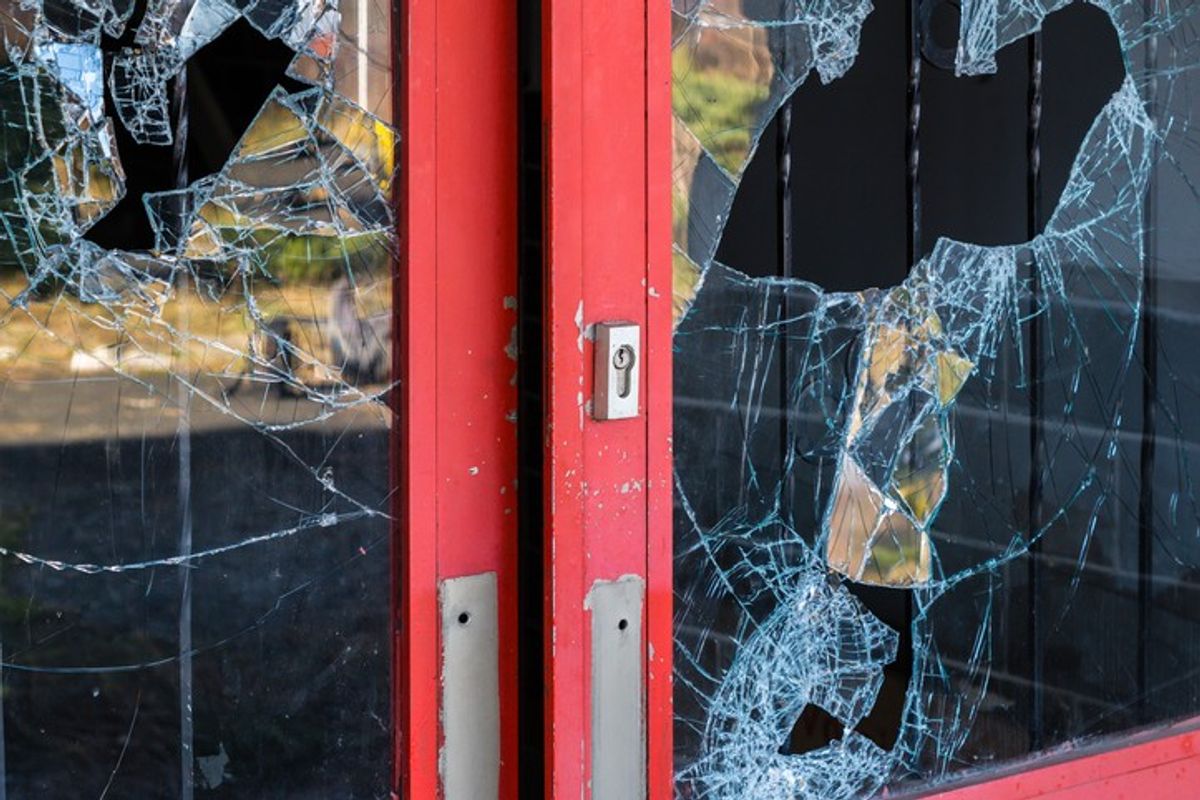

Violence continues to remain "endemic" for retail worker while theft from shops remains a huge issue, retailers have warned, with 5.5 million incidents of shoplifting detected last year, costing the industry an estimated £400m.
According to British Retail Consortium’s new Crime Report released today (Feb 24), violence and abuse against retail workers fell by a fifth from 2,000 incidents per day in 2023-24 to 1,600 last year.
The report, published today and sponsored by Sensormatic Solutions, suggests this improvement reflects years of heavy investment by retailers, an improved police response - with 13 per cent of retailers rating the police response as good, or excellent, up from just nine per cent in last year’s report – as well as closer collaboration between retailers, police, and government.
Retailers have spent over £5bn in the last five years on improved security measures, from CCTV, to security staff, to improved data collection, and this investment is starting to pay off.
While this is welcome progress, levels of retail crime remain unacceptably high. At 1,600 per day, incidents of violence and abuse is still the second highest on record and far beyond the 455 incidents per day pre-pandemic (2019/20).
Of particular concern, incidents involving physical violence remained largely unchanged from last year, at 118 per day, and there were on average 36 incidents per day involving a weapon.
Theft also remains a significant challenge for retailers. There were 5.5m detected incidents of shoplifting last year, costing retailers nearly £400m, but with many incidents going undetected, the true cost is likely to be much higher. Organised criminal gangs are increasingly targeting high-value, easily resold goods, exploiting the lack of consequences from law enforcement.
For the first time, the report also looks at the issue of delivery parcel theft, which cost retailers more than £100m last year.
The Government has previously announced measures aimed at tackling retail crime. The Crime and Policing Bill will pass into law soon and retailers hope it will play a vital role in granting additional legal protections for retail workers and bringing down levels of theft.
The Bill will introduce a standalone offence for assaulting a retail worker, which will increase sentencing and provide a stronger deterrent as well as improve the visibility of violence against retail workers so that police can allocate necessary resources. It will also remove the £200 threshold for ‘low level’ theft, which will send a strong message to offenders that all theft will not be tolerated.
The Bill should apply to all people working in customer facing roles, as is the case in Scotland. The BRC is calling on the government to ensure that the final Act ensures the extension of protections to delivery drivers.
Helen Dickinson, Chief Executive of the British Retail Consortium, said, “This drop in violence and abuse has been hard won, but the job is far from done as numbers of incidents remain almost four times pre pandemic levels. Violence remains endemic. No one should go to work fearing for their safety, and we must redouble our efforts to bring these numbers much further down once and for all.
“Theft remains a huge issue, with an increasingly concerning link to organised criminal gangs, who continue to systematically target one store after another, stealing tens of thousands of pounds worth of goods in one go.
“Retailers, the police and government must continue to work together, building on the great work done so far, focusing on consistent enforcement, better data and intelligence sharing, and targeted action against prolific offenders and organised gangs.
"The £7 million investment announced in the policing White Paper is another welcome signal of government’s commitment to tackling organised retail crime. However, turning this into real impact requires sustained prioritisation and dedicated resourcing from police. For the sake of the three million hardworking people in retail, this work must not stop.”
Joanne Thomas, General Secretary of Usdaw, said, “The drop in violence and abuse is welcome news, but both Usdaw and BRC data shows that retail workers continue to face unacceptable levels of violence and abuse simply as a result of going to work.
"The 5.5 million incidents of shop theft are in no way a victimless crime, with Usdaw evidence showing that two-thirds of attacks on retail staff being triggered by theft or armed robbery. Having to deal with repeated and persistent offences can cause issues beyond the theft itself, like anxiety, fear and physical harm to retail workers.
"We have campaigned, along with many retail employers, for substantial legislative measures to combat this growing problem and we are pleased that the government has introduced the Crime and Policing Bill which includes a much-needed protection of retail workers’ law. This bill sends a clear message that the era of criminals acting with impunity is over.”
Chris Brook-Carter, Chief Executive of Retail Trust, said, “We hear from people every day who are so stressed and anxious that they're afraid to go into work and are thinking of leaving their jobs. While any fall in violence and abuse is welcome, there are clearly still far too many retail workers being shouted at, threatened, and attacked.
“We must turn this hard-won progress into long-lasting change. The government and the police are treating this problem more seriously than ever before and more retailers are also working with the Retail Trust to protect their people and support anyone affected by abuse.
"The entire retail industry now need to step up and get behind these efforts if we’re to stand any chance of restoring respect to our high streets once and for all.”
Sean Lee, Regional Vice President and General Manager EMEA, Sensormatic Solutions, said, “The reduction in levels of violence and abuse are a clear signal that coordinated efforts - across technology, strategy, and collaboration—are starting to make a difference.
“Technology is one of the most important tools we have to tackle retail crime, and the increased investment in this area looks to be paying off. Retailers are redesigning their loss prevention strategies, integrating connected technologies such as enhanced electronic article surveillance, video analytics, intelligent store monitoring platforms, and advanced reporting. The foundations for a more resilient retail environment are now firmly in place.
“Yet more must be done to protect our retail staff. By working together, and supported by intelligent technology, we can continue to build safer stores and a stronger future for retail.”