



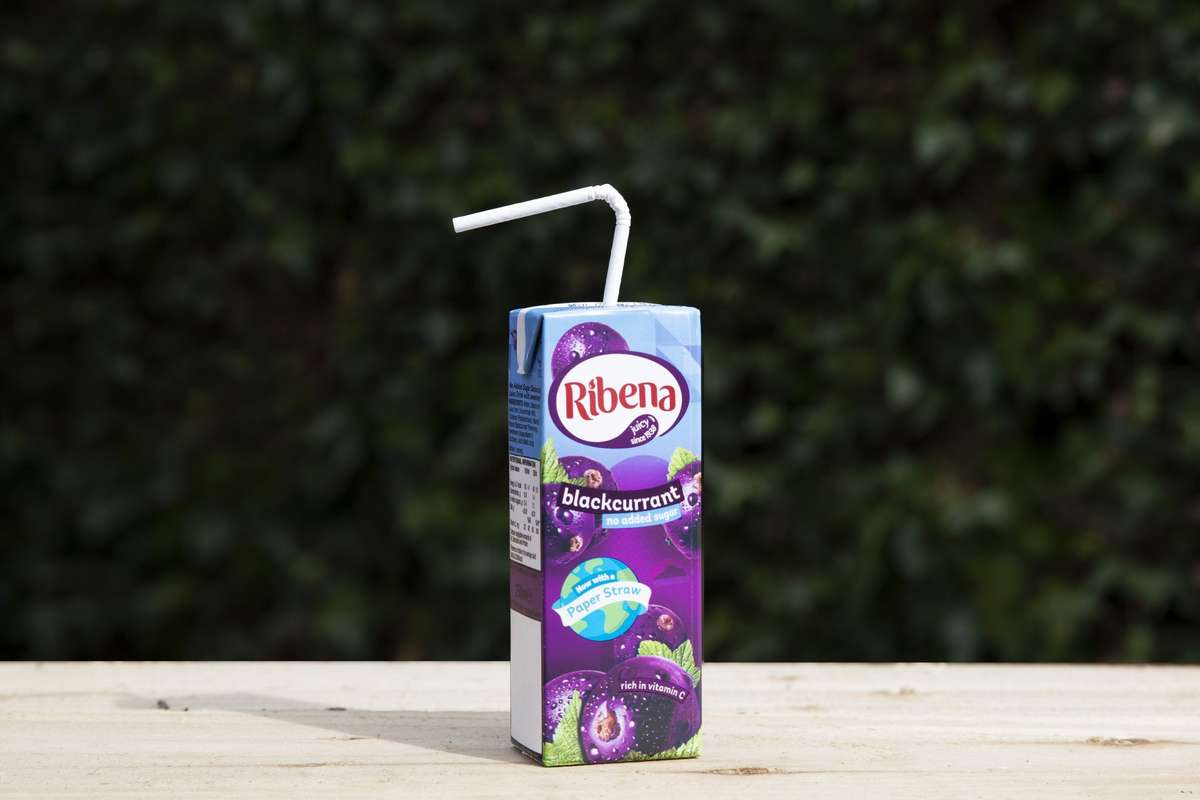

Suntory Beverage & Food, the owner of Ribena, is investing £200,000 in research aimed at helping UK blackcurrant crops withstand increasingly extreme weather, as this year's harvest is forecast to fall below average.
The investment comes as growers begin harvesting blackcurrants across key producing regions including East Anglia, Gloucestershire, Herefordshire, Kent and Scotland. This year's crop is expected to be around 10 per cent below the typical annual harvest of 10,000 tonnes after a series of adverse weather events affected production.
Growers said one of the wettest winters on record in parts of the UK delayed essential pruning and weeding work, while localised frosts and hailstorms during spring further damaged crops. More recently, June and July heatwaves have scorched bushes, caused berries to drop prematurely and, combined with prolonged dry conditions, resulted in smaller fruit.
The investment will fund a collaborative research programme between Suntory, the Blackcurrant Foundation and the National Institute of Agricultural Botany (NIAB) to improve the resilience of blackcurrant production.
The project, based at NIAB's East Malling site in Kent, will investigate how improving soil health can help blackcurrant bushes better tolerate environmental stress. Researchers will assess organic soil amendments including wool, pasteurised manures and green waste products to determine their impact on soil organic matter, moisture retention, nutrient cycling, plant establishment, bush vigour, yields and berry quality.
Harriet Prosser, agronomist at Suntory Beverage & Food, said growers were facing increasingly unpredictable weather patterns.
"Every year, there seems to be another weather record. Following last year's drought, growers have experienced one of the wettest winters on record, localised frosts and hail during spring, and now intense summer heat. It has been an exceptionally challenging season for blackcurrant bushes," The Guardian quoted Prosser as saying.
Jo Hilditch, chair of the Blackcurrant Foundation and a grower in Herefordshire, said the research would help safeguard the future of British blackcurrant production.
"It's about ensuring British blackcurrant production continues to thrive for generations to come," she said.
"As growers, we're incredibly resilient, but there's no doubt we're farming in a very different climate from even a decade ago. Every season now seems to bring a new challenge, whether it's prolonged wet weather, late frosts or intense summer heat."
The latest project builds on previous work between growers and Suntory to develop new blackcurrant varieties capable of producing high yields despite milder winters, as climate change continues to alter growing conditions.