



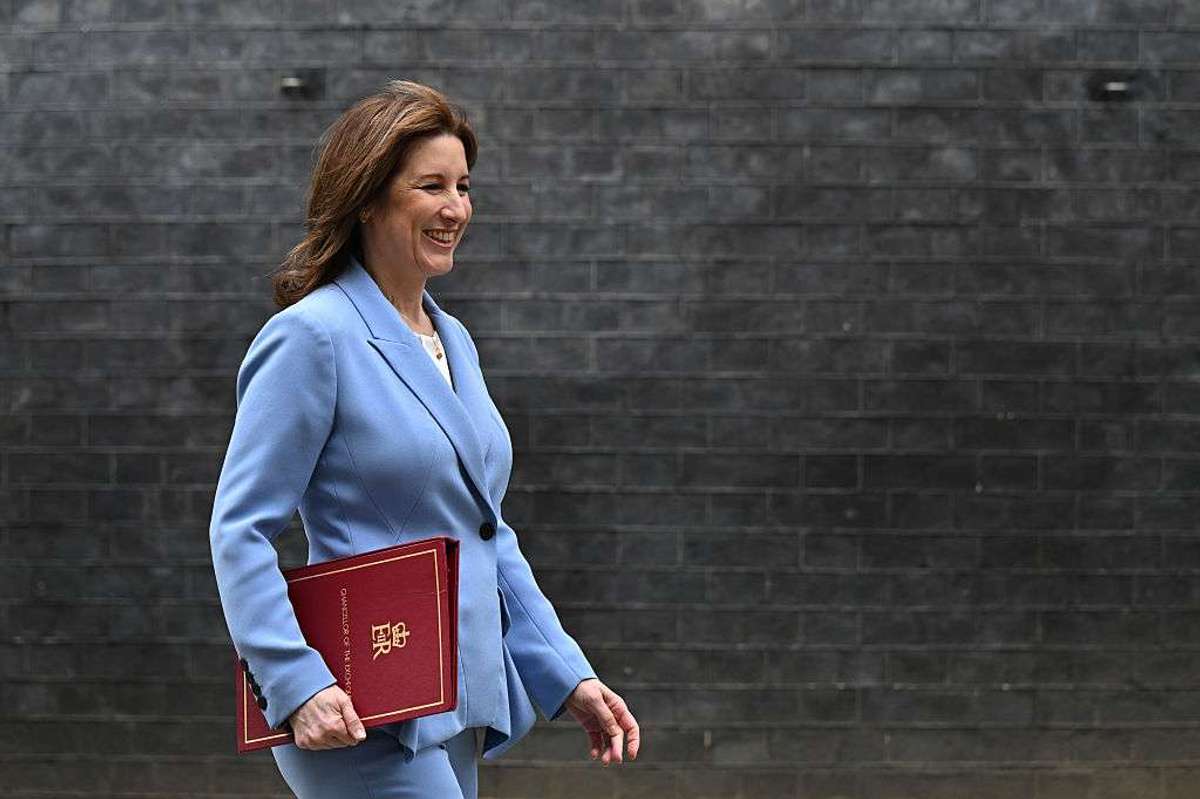

Retail and small business groups have warned that the government’s latest Spring Statement offered little new support for independent retailers and small firms, despite mounting economic pressures and growing geopolitical uncertainty.
The British Independent Retailers Association (Bira) said the chancellor’s update failed to introduce fresh measures to help high street businesses already struggling with rising costs. The association, which represents more than 6,000 independent retailers across the UK, said the outlook presented by the government did not reflect the reality facing many small retailers.
Andrew Goodacre, chief executive of Bira, said independent retailers had been under increasing strain in recent months.
“The chancellor spoke about building growth in every part of Britain and more money in consumers’ pockets to spend on the high street, but independent retail has been more challenging than ever over the past few months,” he said. “Those words need to be backed by action.”
Bira noted that the only previously confirmed measure affecting the sector was business rates relief for pubs due to come into effect in April. The association has repeatedly called on the government to extend similar relief to all independent high street retailers.
The group also warned that escalating tensions in the Middle East could place further pressure on small businesses by driving up energy and supply costs.
Goodacre said retailers were closely watching developments, noting that past geopolitical conflicts had triggered sharp increases in oil and gas prices.
“We were caught off guard by the impact of the Ukraine conflict on energy costs, and we are calling on the government to act now to protect businesses before history repeats itself,” he said.
“Our biggest concern is what this uncertainty does to consumer confidence and therefore consumer spending – and that is the last thing our members needed right now.”
Insurance provider Simply Business echoed concerns about the pressures facing the UK’s small business community.
Julie Fisher, the company’s UK chief executive, said the Spring Statement painted a picture of gradual economic improvement that many small firms were not experiencing.
“Small businesses are the backbone of this economy – supporting 16.9 million jobs and contributing £45.9 billion in corporate tax receipts last year,” she said. “But growth is slowing, inflation is still biting, and business rates are rising 10 per cent from April’s revaluation.”
According to Simply Business research, costs have risen for 82 per cent of small business owners over the past year, yet only 12 per cent have increased prices in line with those higher costs.
Fisher said many firms were effectively shielding consumers from price rises by absorbing higher expenses themselves, often at the expense of their profits.
“Behind the statistics are real people under real pressure,” she added. “Nearly half say financial pressures are now affecting their mental health, and one in five are considering dipping into personal savings to keep the lights on.”
Industry analysts also warned that the wider economic outlook could weigh on consumer demand.
The Institute of Grocery Distribution (IGD) said the chancellor’s update largely confirmed expectations but pointed to weaker growth forecasts as a concern for the food and drink sector.
James Walton, IGD’s chief economist, said the Office for Budget Responsibility’s decision to downgrade growth forecasts for 2026 would add further pressure to an industry already facing flat demand.
“As expected, the chancellor’s Spring Statement was a forecast-only update and the food and drink industry will welcome the stability that brings,” Walton said. “However, with the OBR downgrading growth for 2026, this does add extra pressure for the food and drink industry.”
Walton also highlighted rising numbers of young people not in education, employment or training (NEET) as a growing challenge for labour-intensive sectors such as food and drink.
He said the industry urgently needed a national workforce strategy to help address labour shortages and ensure a steady pipeline of skilled workers.
IGD plans to relaunch its Feeding Britain’s Future initiative in summer 2026, bringing together businesses, educators and communities to help develop a more resilient workforce for the sector.