



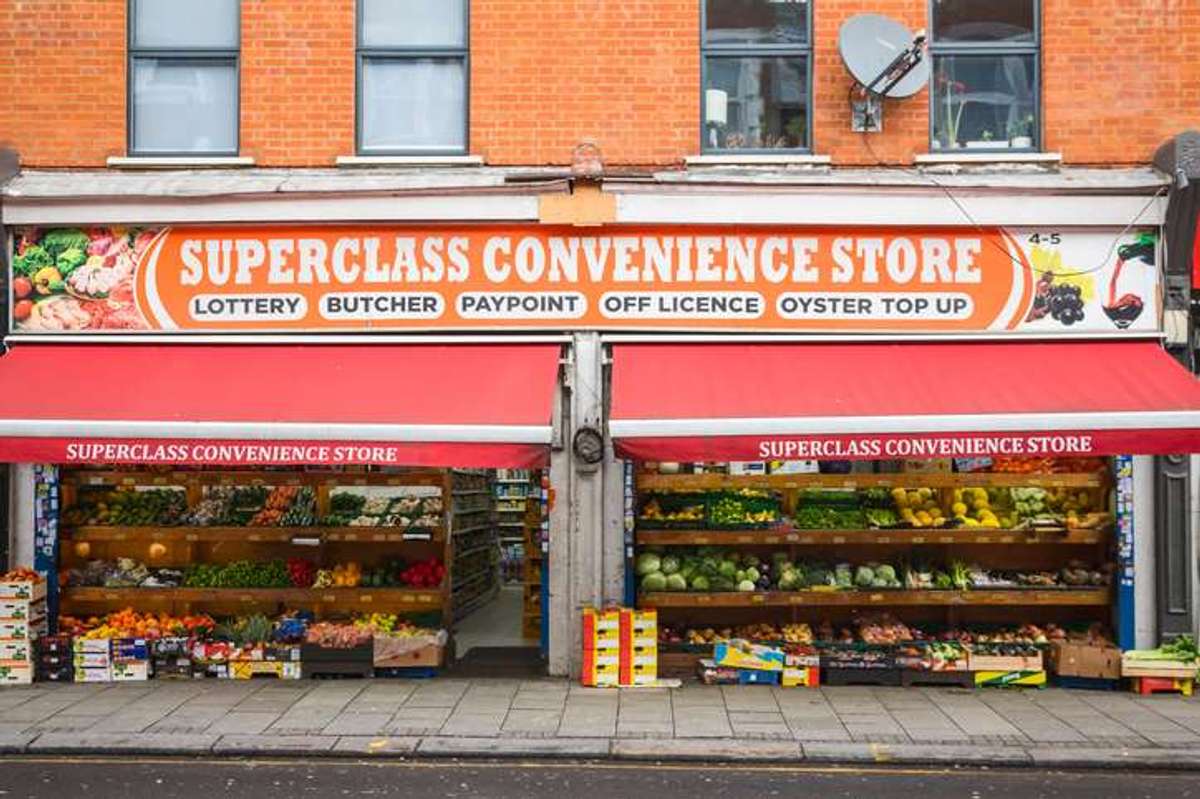

Residential convenience stores should not be smaller versions of urban convenience stores, states IGD, adding that they should be designed around neighbourhood living, helping shoppers top up, prepare meals at home and access local services quickly and easily.
Convenience retailers expanding into residential areas need to rethink everything from store layout to category mix, as neighbourhood shoppers have markedly different missions and expectations than their urban counterparts, according to a new report from IGD.
"Residential shoppers are a different kind of customer," IGD noted. "The store becomes part of the weekly routine rather than a one-off pit stop."
Drawing on ShopperVista Research and store visits, the report found that convenience shopping is heavily mission-led, with nearly half of all visits driven by top-up missions, significantly above the channel average. Food for now also plays a major role, with shoppers over-indexing on fresh top-ups and ready-to-eat meal purchases.
However, the priorities of residential stores differ from those in urban, footfall-heavy locations. IGD found that residential stores dedicate more space to ambient grocery, produce, meat and food-for-later categories, reflecting stronger demand for routine replenishment and at-home meal occasions.
They are far less likely to have stocked up on items to last over a week (11% vs 30%) or bought non-food items (7% vs 13%). Non-food in convenience tends to be tucked away at the far end of the store near the till, with categories bunched together in minimal viable quantities. It is there to serve a specific need rather than a larger shopping mission.
IGD advises retailers to invest in fresh ingredients and meal solutions while maintaining a compelling food-to-go offer, including hot food and coffee. Clear meal deal signage and easy-to-shop layouts are also key to meeting shopper expectations.
At the same time, IGD suggests retailers review how they allocate space to categories such as beers, wines and spirits (BWS). While residential stores generally dedicate less space to alcohol than urban stores, researchers observed significant amounts of chilled BWS in some locations.
"There is a logic to chilled wine for tonight's dinner," the report noted, but questioned whether some of this space could work harder by supporting fresh meal ingredients or food-for-now options.
Cross-category merchandising is another important opportunity, according to IGD. Linking ambient staples with fresh produce and meat can encourage shoppers to build larger baskets and shop more of their meal in one trip.
Beyond products, the report emphasises the role of residential convenience stores as community hubs. Services such as parcel lockers, click-and-collect points, lottery and recycling facilities are becoming increasingly important, while community noticeboards help strengthen local connections.
IGD also highlighted opportunities around at-home occasions, such as major sporting events, which can drive additional demand for snacks and drinks. Retailers that flex their ranges to match these moments stand to capture additional spending.