



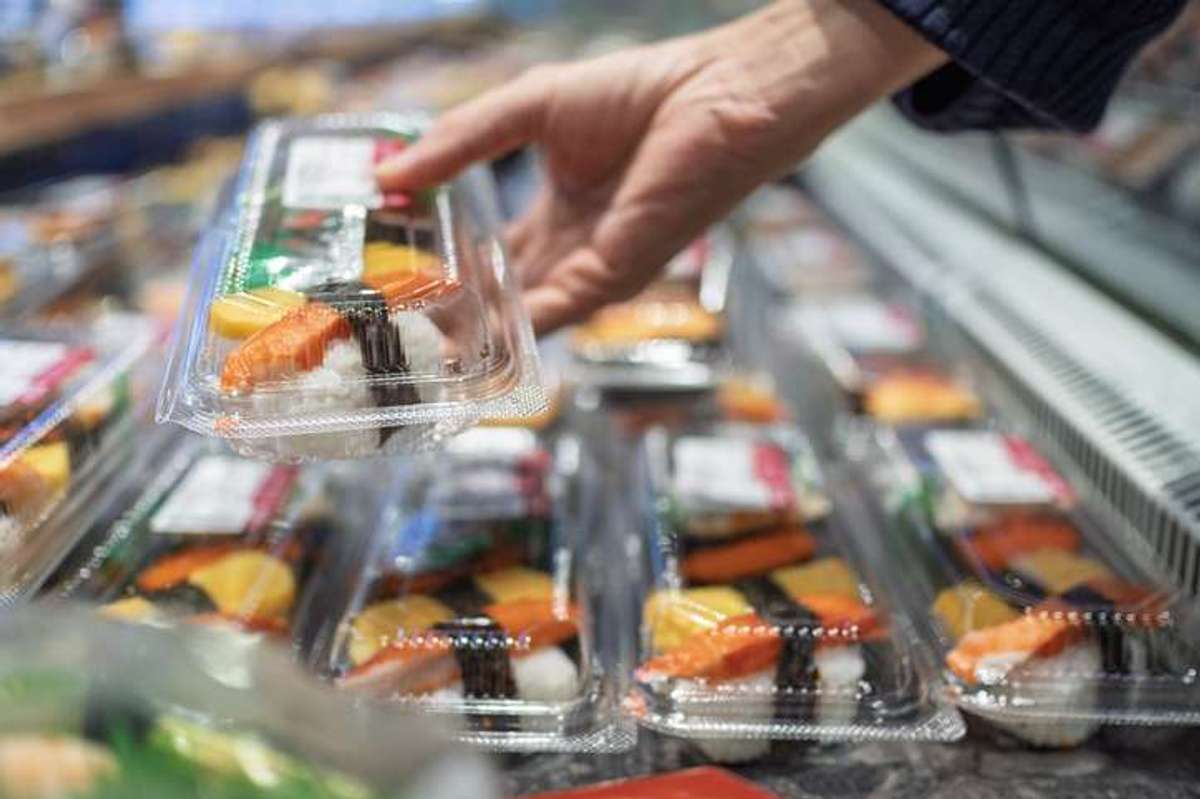

UK’s growing “protein boom” is bringning a highly actionable opportunity in seafood, particularly in food-to-go, snacking and quick meal formats where demand is surging, shows a recent report, opening the door for incremental sales through more portable, ready-to-eat seafood lines.
While 20 per cent of consumers now follow high-protein diets and most snack daily, seafood remains underrepresented in convenience despite strong health credentials and rising interest in low-fat, nutrient-dense options.
According to the Norwegian Seafood Council (NSC) in the UK, the ongoing “protein boom” is being shaped not just by health, but by how and when consumers are eating – with growth increasingly concentrated in portable, convenience-led formats.
While categories such as sports nutrition (12% CAGR), high-protein dairy (10-11%) and protein bars (10-11%) have seen rapid expansion in recent years, processed seafood has lagged behind at just 3% growth.
This gap highlights a significant opportunity for retailers to reposition seafood within high-growth, high-frequency consumption occasions.Changing consumption habits are a key driver. Today, 88% of consumers snack daily – rising to 94% among Gen Z and millennials – with one in three eating three or more snacks per day.
At the same time, 78% of shoppers say they are drawn to convenient meals made with visibly healthy ingredients such as seafood. Added to this, approximately 7% of British consumers are now using GLP-1 weight loss medication, and consequently are changing their diets to focus on low-fat, protein and nutrient dense meals.
Despite these lifestyle shifts, seafood underrepresented in convenience-led categories, accounting for just 11% of ready meals.
NSC UK believes this points to untapped potential, particularly as shoppers increasingly seek out protein-rich options that align with their health goals.
NSC UK director Bjørn-Erik Stabell said: “Seafood has all the credentials to win in the protein space, but it hasn’t yet been fully positioned in the formats where growth is happening.
"Whilst the seafood industry has a responsibility to drive change, retailers are also in a position to demand new formats and better on-pack messaging which ultimately will deliver them sales.”
“A lot of the momentum we’re seeing is in snacking, lunch-on-the-go and quick-prep meals. That’s where seafood in the retail space has a real opportunity to evolve – by becoming more accessible, more portable and more clearly positioned as a high-protein choice.”
The category is already showing signs of strength. Salmon continues to lead performance, adding £185m in value over the past two years to reach £1.5bn, with more consumers buying chilled salmon more frequently than cod. Cod and haddock remain core staples, with chilled cod growing 5.8% in value and haddock up 1.4%.
Farmed cod specifically is emerging as a fast-growing opportunity within the category. Whilst just one ton was exported from Norway to the UK last year, volumes have already reached 114 tonnes this year, reflecting rising demand for a consistent high-quality protein-dense whitefish offering year-round supply.
With its clean, mild flavour and firm texture, it lends itself to a wide range of retail applications.Meanwhile, shellfish is emerging as a standout growth area, increasing by 8.5% in value and 7.5% in volume across all age groups – helped by strong health credentials and value-for-money positioning.
Driving this are Norwegian cold-water prawns, delivering a high-protein, low-fat option that is versatile, convenient and well suited to both ready-to-eat and meal solution formats.Seafood also benefits from a strong nutritional profile, offering complete protein alongside omega-3 fatty acids, vitamin D, vitamin B12 and selenium.
Norwegian seafood in particular provides a natural, whole food source of protein that is low in fat and minimally processed.
“With protein now a central part of how consumers define health, visibility is everything,” said Stabell. “Retailers that can clearly communicate the protein benefits of seafood and deliver it in convenient, ready-to-eat formats are well placed to drive both category growth and shopper engagement.
"We need greater collaboration between those that produce seafood and those that sell it to make change. We’re armed with insights and the expertise to make this happen, but we need retailers’ perspectives – and for them to engage with us on the next level and to tell us what they want from us to shift the dial.”