



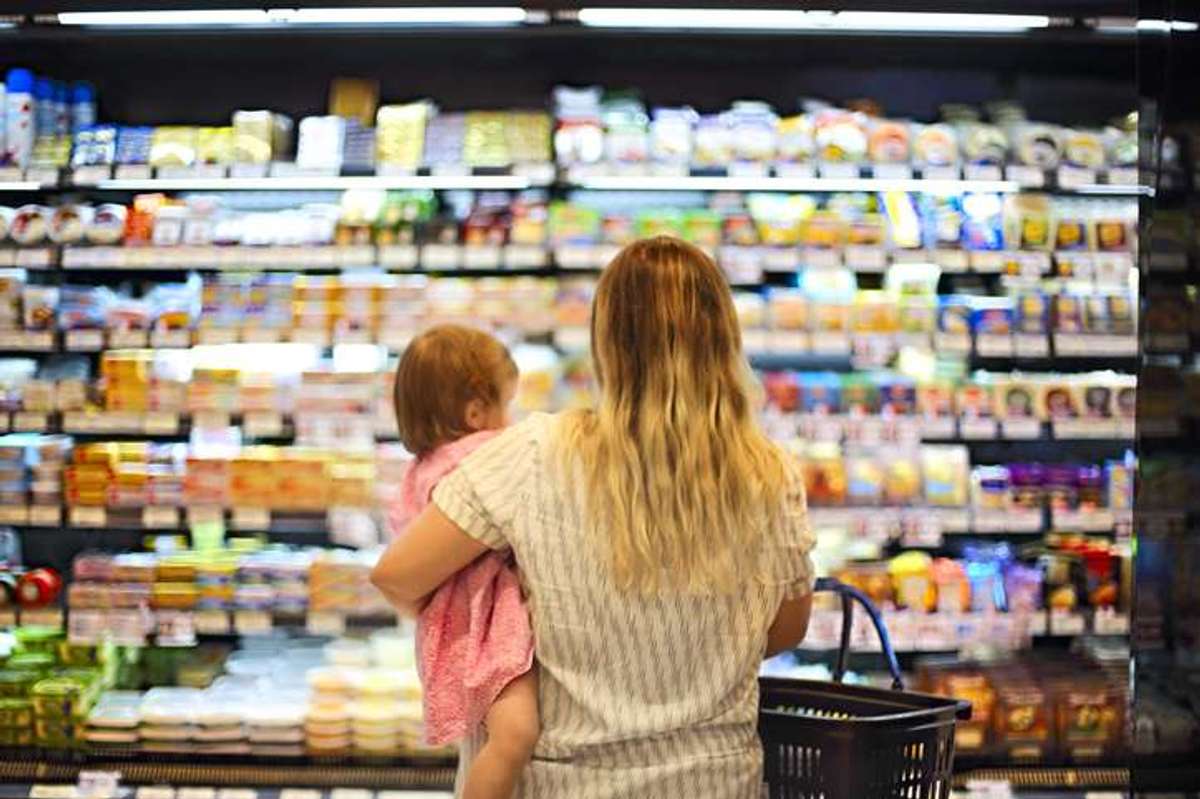

It's 8:47pm. A frazzled parent, operating on roughly three hours of broken sleep and the emotional resilience of a soggy digestive biscuit, realises they've run out of nappies. The supermarket is shut. The online delivery won't arrive until tomorrow. But their nearest convenience store is still open.
And if the convenience store has the right item they are looking for and a sympathetic soul at the counter, that store is about to become that the parents’ favourite place on earth, at least for the time being.
This, in a nutshell, is the quiet power of the baby and toddler category in British convenience retail. It isn't glamorous. It doesn't have the margin fireworks or the impulse appeal. But it still punches well above its weight in terms of basket spend, loyalty, and perhaps most importantly repeat footfall.
New parents don't just shop once. They shop constantly. They shop urgently. And they shop with brand loyalty that, once earned, is remarkably sticky. If done right, the store will not just be selling a pack of wipes and diapers but building a relationship that could last three to four years per child, per family.
The numbers back this up.
The UK baby care products market was valued at over £4.8 billion in 2021, with significant growth since then driven by demand for premium, organic, and sustainable products, according to Cognitive Market Research. The market is experiencing steady growth, with specific segments like baby toiletries alone projected to reach over £4.5 billion by 2030.
While grocery multiples and online giants like Amazon claim a large slice of this pie, convenience stores have their own place when it comes to distress-purchase and top-up segments that no other channel can quite serve.
The baby care category is valued at £32 million in symbols and independents, according to Nielsen. Though the segment is showing signs of slight decline, it remains a crucial category, especially for younger families looking for top-up purchases.
Noteworthy here is the shifting dynamics in this segment.
While birth rates in England and Wales showed a marginal increase of 0.6 per cent in 2024, the first rise since 2021, the overall fertility rate remains at historic lows (1.41 children per woman). This demographic reality has shifted the industry's primary growth engine from volume-based expansion to value-based premiumisation.
Parents are increasingly prioritising high-specification products that offer verified health benefits, driving demand for organic food, hypoallergenic skincare, and advanced safety equipment even within a cost-conscious economic environment. More on that later.
Before we dive into what to stock, it's worth understanding who you're stocking it for. The modern British parent is, to put it diplomatically, a complex creature. They are time-poor but research-rich.
They've spent hours on Mumsnet reading about the relative merits of different formula brands before the baby arrived. They have opinions about HiPP Organic versus Aptamil.
They know the difference between size 3 and size 4+ nappies. And they are deeply unimpressed by a dusty, half-empty shelf with one brand of baby food that expired six months ago.
The demographic that shops for baby products in convenience stores broadly falls into three categories. First, there are new parents in the 0–12-month stage, who are in full survival mode. Second, there are parents of toddlers aged 1–3, who are transitioning to solid foods, growing out of nappies (fingers crossed), and buying a wider variety of products.
Third are grandparents and other carers, who may be less brand-savvy but are often buying in an emergency or as a treat.
What unites all three? The need for speed, reliability, and reasonable value. They're not expecting supermarket prices.
They understand convenience carries a premium. But they won't come back if your formula is consistently out of stock or your nappy range stops at size 2.
Formula for success
If there is one sub-category that can make or break your baby range, it is infant formula. For parents of formula-fed babies, running out of milk is a genuine crisis, not a mild inconvenience.
Brand is the leading driver of baby milk purchases, with 62 per cent of baby care shoppers saying they’ll go elsewhere if their preferred brand isn’t available, states the MSL Regional study by Danone.
The UK formula market is dominated by four major brands, and understanding their differences and their customers is essential.
Convenience retailers should prioritise Cow & Gate and Aptamil first, then expand with other key brands.
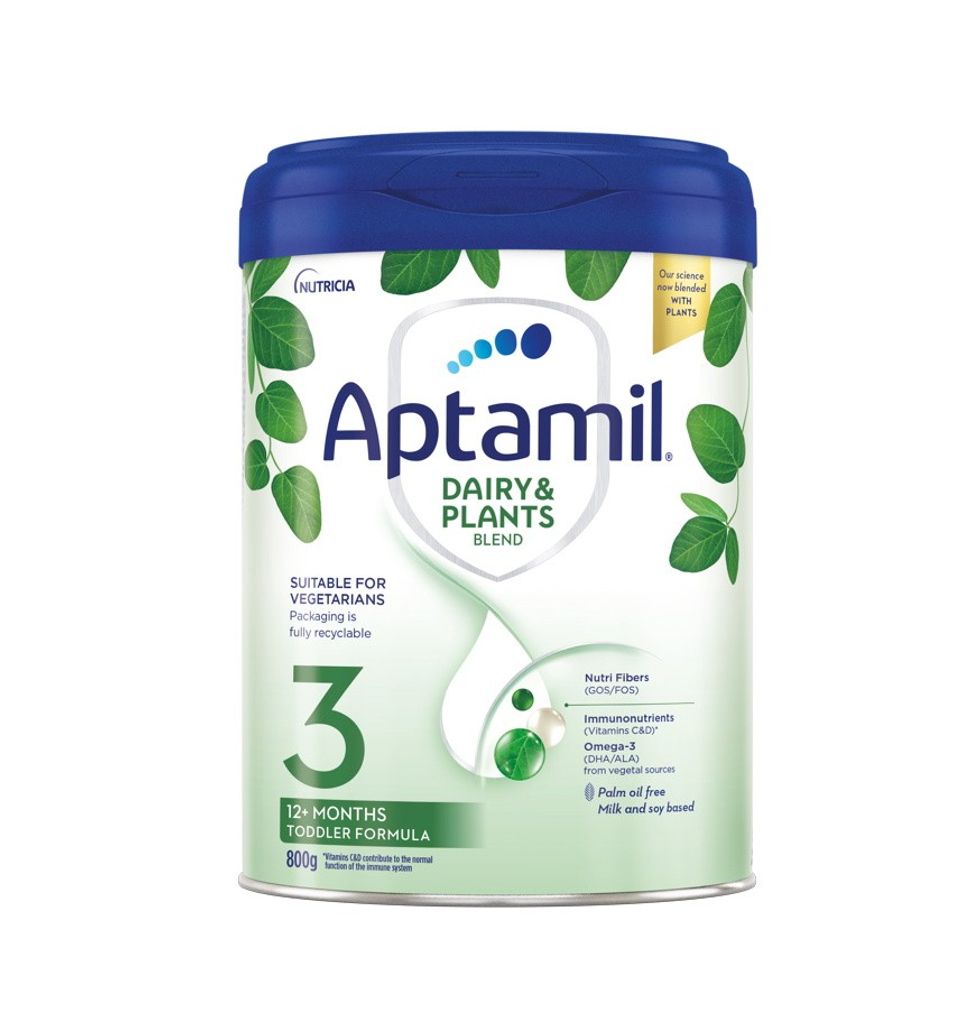
Aptamil, made by Danone, is the category leader and the brand most often associated with "premium" parenting in the UK. Its distinctive cream and green packaging is instantly recognisable. Aptamil holds around 40 per cent of the UK formula market and is the single most-requested product in convenience stores by parents of young babies.
Sitting alongside it is Cow & Gate, also owned by Danone but positioned as the more accessible, value-oriented sibling. Many parents start with Aptamil and switch to Cow & Gate as their baby grows, particularly when moving to stage 2 (follow-on milk) and stage 3 (growing-up milk).
 File image by Danone
Stocking both can give the store coverage across a key segment of budget-sensitive shoppers without cannibalising the premium sales.
SMA (by Nestlé) is the other significant player, with a loyal following particularly in Northern England and Scotland. Its Pro Advanced range has positioned it strongly in the premium tier, and SMA Gold, their first infant formula, remains a consistent convenience seller.
Then there's HiPP Organic, the German brand that has become the darling of the organic-leaning, environmentally conscious parenting set. It sells extremely well in convenience stores located in urban and higher-income areas.
Kendamil is another popular brand you should not overlook.
Retailers opting to stock baby milk should always carry at least stage 1 (0–6 months) and stage 2 (6–12 months) in their core lines.
If space allows, stage 3 growing-up milks are worth including, particularly Aptamil and Cow & Gate, as parents often continue buying these in convenience stores right up to age 3.
Feed them, keep them
If formula is the category's anchor, baby food is its growth engine.
The UK baby food market has been transformed over the past decade by the humble pouch, the resealable, squeezable sachet that babies can feed themselves and parents can deploy anywhere from a pushchair to a motorway service station.
Pouches are the largest format in independents, accounting for 51 per cent of value sales, according to data by Nielsen.
For toddler snacking, the 12-months-and-up segment, the range expands considerably.
What changes in this stage, however, is the development of taste buds and the rise of toddler tantrums.
As rightly put by Jo Agnew, Marketing Director of Lotus Natural Foods, if a product doesn’t pass the taste test, it won’t be bought again.
“Parents are more considered than ever when it comes to feeding their babies and children. They’re reading labels, checking ingredients and thinking about sugar but they’re also choosing food that their little ones will actually eat.
“Health, convenience and value matters. But if a product doesn’t pass the taste test, it won’t be bought again,” Agnew says.
“Across baby finger food and kids’ fruit snacking, the brands that are winning are the ones that make parents’ lives easier while making kids excited to snack. That balance of reassurance and joy is what drives repeat purchase.”
Fruit snacking is one of the most exciting areas in kids’ healthier snacking right now. Parents are actively looking for alternatives to confectionery, and fruit-based formats offer a naturally sweet snacking option they feel good about and that kids actually want to eat.
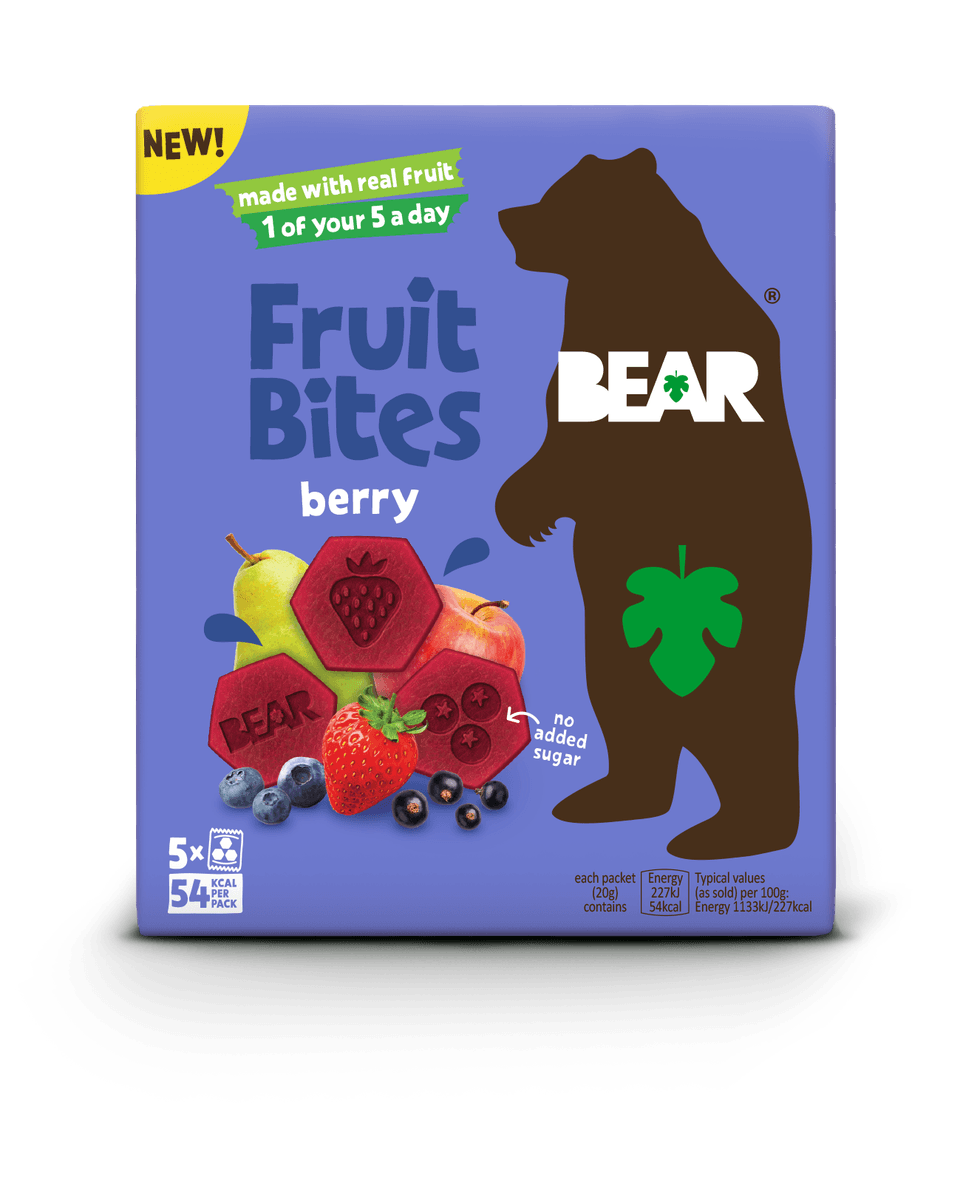
BEAR is now worth over £42m and is the UK’s number one brand in Kids Fruit Snacking, says Agnew. More than 2.2 million households bought BEAR in the past year, and over one in four households with a child aged five to 10 now have BEAR in their cupboards.
 BEAR launches high fibre range www.asiantrader.biz
“That growth is built on trust. BEAR snacks are made with 100% fruit, contains no added sugar and count as one of your five-a-day. We’ve never had to chase reformulation headlines because simplicity has always been at the heart of the brand,” Agnew points out.
“But fruit has to be fun. Kids don’t snack on credentials – they snack on excitement. That’s why the BEAR range is built to grow with them.
“Little Paws and Fruit Treasures are designed for little fingers, both made for younger cubs aged 3+ and embossed with shapes and numbers to bring activity and counting into snack time.
“Fruit Bites add texture and variety, while our iconic Yoyos and Fruit Splits remain lunchbox favourites for older kids who want bold flavours and something a bit different.
Sour Extreme Yoyos dial up the fun, while Mango & Sour Berry Fruit Splits bring a sweet-and-tangy twist, with older cubs in mind. It’s a portfolio designed around real family life. Different ages, different tastes, and one trusted fruit brand.
“BEAR Alphabites extend our reach from the snack aisle and into breakfast. Shaped like letters and made with just six simple ingredients, they turn cereal into something playful while still delivering high fibre, calcium and no refined sugar. It’s another example of how BEAR blends simplicity with imagination.
“Play isn’t an add-on for BEAR — it’s built into the brand. Whether it’s our famous collectable cards and puzzles inside packs, or embossed shapes and letters within the product itself, every range includes an element of discovery.
“For some products, that’s our famous BEAR cards, which kids swap, collect and talk about. For Little Paws and Fruit Treasures, it’s playful embossing – from shapes to numbers – that turns snack time into something interactive,”
When kids stay engaged, they stay in the fruit snacking and healthier breakfast category for longer. That’s good news for families and for convenience retailers.
In baby and toddler food, trust isn’t optional, it’s everything. Parents are navigating one of the most important stages of development, and they want brands that feel credible, consistent and reassuring.
 iStock image
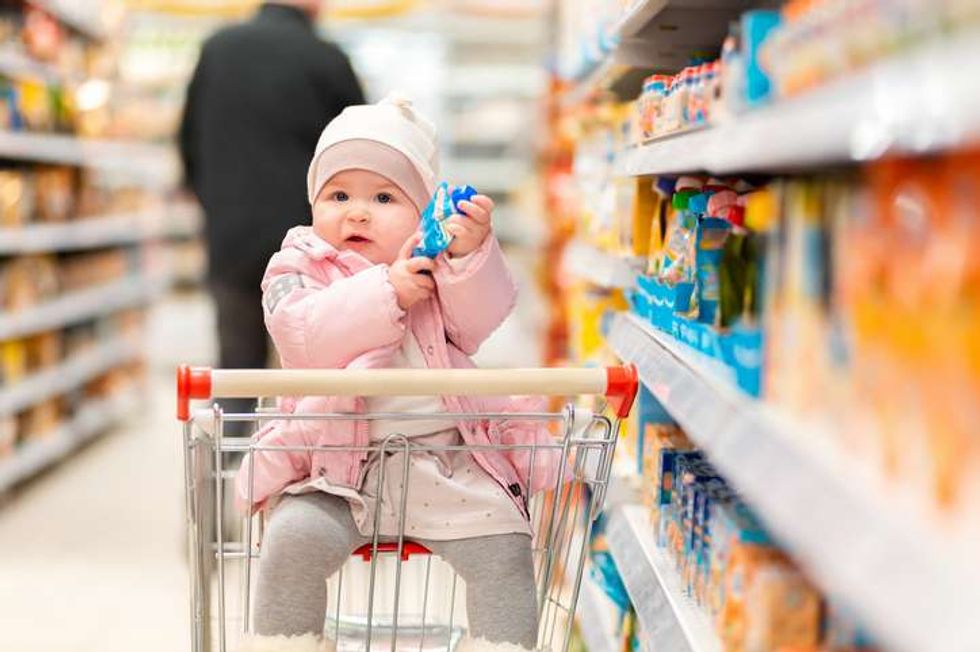
Kiddylicious is another name that parents tend to vouch by. The brand is now worth £51m and is the biggest brand in baby finger food and snacks. After successfully expanding into baby food pouches in 2024, Kiddylicious is also the biggest contributor to growth in the pouches sector.
Agnew says, “Our Veggie Straws and Wafers, worth £12.3m and £6.6m respectively, remain hero products because they do more than just fill a gap. They support sensory exploration, introduce new tastes and textures, and encourage independent eating in a safe, age-appropriate way.
“When we launched into baby food pouches in August 2024, it was about supporting parents through another part of the feeding journey, so that Kiddyicious is there for all stages including first tastes and textures.
“They contain simple ingredients, added nutrients like fibre, iron and calcium, as well as clear labelling, meaning no confusion. The range has already reached £2.4m RSV and is growing rapidly delivering £1.6m growth in the last year, showing strong demand for trusted, thoughtfully developed options,” Agnew adds.
“We’ve especially seen huge love from parents for our Bedtime Blend sub-range which has delivered 50% of our Pouches total RSV through unlocking solutions for different occasions.”
Ella's Kitchen is another brand worth making space for in the baby food section. Their brightly coloured packaging, playful branding, and all-natural ingredient positioning made them a phenomenon.
Alongside Ella's Kitchen, Organix has carved out a strong position as the go-to brand for toddler snacking. Their rice cakes, corn puffs, and Goodies range are staples in family homes across the UK, and their ambient format means they're ideal for convenience retail.
Piccolo is a newer entrant worth watching. This B-Corp certified brand, founded in 2016, has grown rapidly in independent and convenience retail, targeting the premium organic segment with Mediterranean-inspired recipes and striking packaging.
Nappy and wipey world
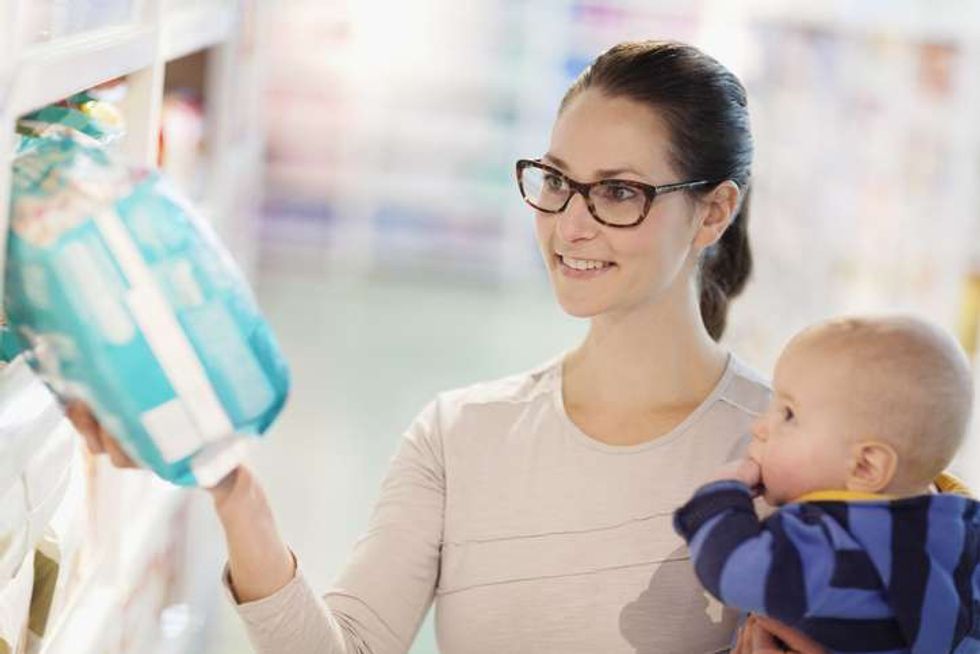
Nappies are the biggest ticket item in the baby category and, paradoxically, the most complex to get right in a convenience setting. The challenge is threefold: the variety of sizes required, shelf space demands, and margin pressure.
Size is everything in nappies. A newborn needs size 1 or 2. A six-month-old is typically in size 3. A sturdy toddler might be in size 5 or 6+. If you only stock size 3 and the panicking parent who just arrived has a newborn, it is of no use to them.
The solution, pragmatic as it is, is to focus on nappy sizes 4, 5 and 6. If additional space is available, one can go for sizes 3 and 2 as well.
On brands, Pampers is the undisputed market leader in the UK, holding roughly 76 per cent of nappy sales. Their Baby-Dry and Active Fit ranges are the most-searched and most-requested in convenience settings.
Aldi's Mamia range and Lidl's Toujours have disrupted the category at a value price point. While these obviously won’t be fund in convenience stores, their popularity tells us that parents are value-conscious, even in distress purchases.
This is where own-label alternatives or retailer-selected value brands can earn their place on the shelves alongside the premium tier.
Biodegradable and eco nappies are a growing trend. Brands like Bambo Nature, Kit & Kin, Pura and Naty have built loyal followings among environmentally conscious parents. These brands command higher price points (often 20–30 per cent premium over Pampers), but they also attract customers who are prepared to pay that premium consistently.
 iStock image
Convenience retailers should consider stocking nappies in small (travel/trial) pack sizes as well as standard packs. A parent who's run out unexpectedly doesn't want to pay for 40 nappies — they want the cheapest option that gets them through the night.
If a store is not at all into baby products, one thing they should still consider is wet wipes.
Wet wipes are not a baby product. They are a household product that happens to be sold in the baby aisle.
Wet wipes are used by parents on babies, but also by adults on their hands, their faces, their dashboards, their kitchen surfaces, and a frankly alarming variety of other applications that the original manufacturers probably never intended.
Wipes have broad, cross-demographic appeal, and the best-performing convenience stores merchandise them accordingly that is near the checkout, or in a standalone impulse fixture.
The top-selling wet wipe brands in the UK, particularly in the baby care sector, are WaterWipes, Huggies Pure, and Pampers Sensitive. These brands dominate due to their focus on sensitive skin and thus tend to sell well to adults with sensitive skin.
Pampers’ own wipes – particularly the Sensitive and Complete Clean ranges — are the category's volume drivers, sold in bulk packs that perform well in convenience when positioned as a grab, alongside nappies.
Johnson's Baby Wipes retain loyalty among parents who grew up with the brand and associate that gentle Johnson's fragrance with early parenthood. Their price point is accessible, making them a solid mid-tier option.
Huggies Pure Wipes, despite the parent brand's limited nappy presence in the UK, remain well-distributed in the wipes space and are a fixture in many convenience stores.
And then there are flushable wipes – brands like Andrex Washlets and Natracare – which sit at the intersection of baby care and adult personal hygiene. These have grown strongly as a category and perform well in convenience settings near the toilet tissue range.
Noteworthy here is the sale and supply of wet wipes containing plastic in Scotland will be banned from August 2027, under new regulations published earlier this year, giving retailers and suppliers an 18-month transition period to prepare.
The move forms part of a wider UK-wide crackdown on plastic-containing wipes, with bans also set for Wales (December 2026), England (May 2027) and Northern Ireland (May 2027).
All four nations are introducing measures of the same scope following a 2023 consultation in which more than 93 per cent of respondents backed the ban.
Therefore, it is best to check with the brands’ field reps and wholesalers on how their wet wipes are placed in the face of the upcoming ban.
Trends to keep abreast of
The baby and toddler market does not stand still. What sold well five years ago may be languishing today, and the smart retailer keeps at least one eye on what's happening in the broader category.
Organic baby products have crossed the chasm from niche premium purchase to mainstream expectation among a growing proportion of UK parents. HiPP Organic's sustained growth, Ella's Kitchen's consistent focus on natural ingredients, and the rise of eco-nappy brands all point in the same direction which is parents are reading labels, and they're increasingly uncomfortable with anything that sounds synthetic.
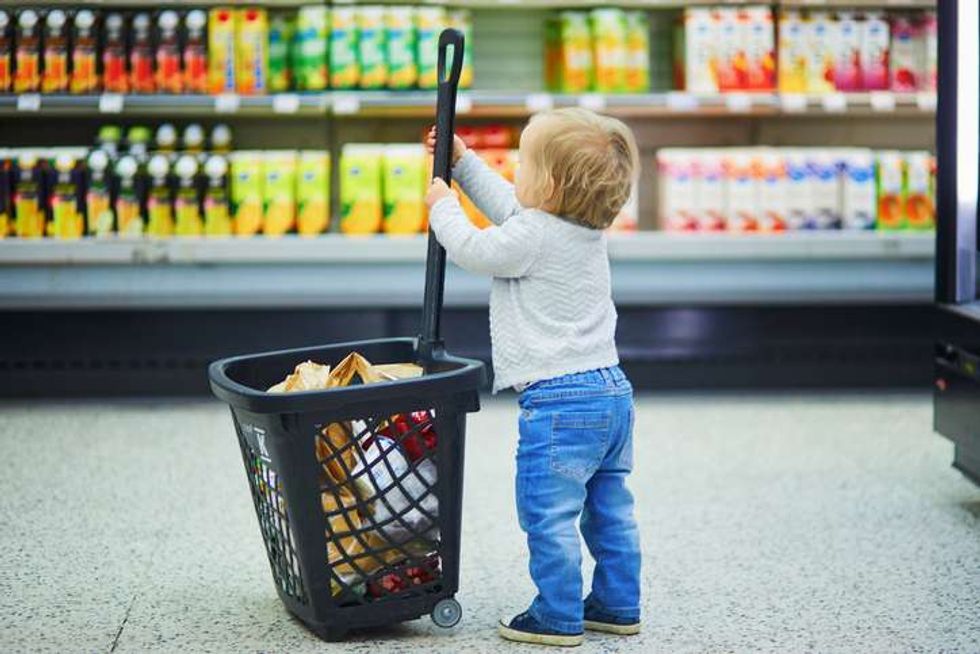
Convenience and ease come next. Like on-the-go snacking as parents want snacks that are ready when they are.
Agnew from Lotus Natural Foods says, “For Kiddylicious, on-the-go is about reassurance.
“Parents want to prepare fresh meals wherever they can, but real life doesn’t always make that easy, with nursery drop-offs, long journeys and busy afternoons only some of the daily activities busy parents need to navigate. That’s where trusted brands step in.
“Kiddylicious is there for those everyday moments, with finger food and snacks that are perfectly portioned, easy for little hands to manage and simple to pack without second-guessing.
“Clear labelling, age-appropriate textures and thoughtfully developed recipes are at the heart of the brand.
“When you’re out of the house with a baby or toddler, confidence matters. Products need to feel safe, sensible and nutritionally considered."
 iStock image
Closely related to organic preferences is a broader environmental consciousness among younger British parents.
Millennials and Gen Z parents, now the dominant buying cohort, grew up with climate anxiety and make purchasing decisions accordingly. They are now opting for biodegradable nappies, recycled-packaging baby wipes, and sustainably sourced baby food.
Brands like Kit & Kin (co-founded, incidentally, by Spice Girl Emma Bunton) have built their entire identity on sustainability credentials. Their nappies are 50 per cent plant-based, they plant trees with every purchase, and they've cultivated a passionate following that shares their values loudly on social media.
However, the pressure on the wallet spills in this aisle as well.
Parents are simultaneously more price-conscious than ever but are also more willing to pay a premium for products they trust for their babies than for almost anything they buy for themselves.
This implies the stores should include a premium tier line as well. The parent who drives past your store specifically to buy HiPP Organic formula is worth cultivating.
Merchandising that works
A baby section that works isn't an afterthought tucked behind the pet food. It's a purposeful, well-organised space.
Group by need, not by brand. The parent hunting for nappies doesn't want to scan an entire wall of products. Organise your baby section by product type (formula, baby food, nappies, wipes, toiletries) and within each type, organise by stage or age range.
This mirrors how parents think about their shopping: by baby's age and need, not by brand loyalty.
“Eye-level is buy-level”, and never more so than in the baby category. Formula should be at adult eye level or above.
Nappy packs, being bulky, can occupy lower shelves, but ensure clear size labelling at eye level to avoid the parent who buys the wrong size and brings back a very understandable complaint.
Cross-merchandise intelligently. Baby wipes near nappies is obvious. Baby food near formula makes sense for the six-month-plus parent who's weaning.
But also consider placing baby snacks near the checkout as they're a proven impulse purchase.
Signage should be kind to bleary-eyed parents. So go for large, clear, unambiguous shelf edge labels, clear price marking and age-stage guidance on shelf.
Parents navigating a convenience store with a screaming baby in a pram and a toddler attempting to escape do not want to decode cryptic shelf layouts. Make it easy, and they'll come back.
Baby steps to bigger baskets
No category feature would be complete without an honest accounting of the difficulties. Baby and toddler products come with their own set of challenges that require active management rather than passive shelf-filling.
Shelf space is the perennial problem. Formula cartons are bulky. Nappy packs are enormous. Baby food has dozens of SKUs. If you're operating an 800 to 1,200 sq ft convenience
space to this category without cannibalising your other high-performing sections requires careful thought.
The answer, for most operators, is curation. Not every brand, not every size, but a tightly edited range of the fastest-movers in each sub-category.
That is a powerful thing. New parents are forming shopping habits that, research consistently shows, are more durable than almost any other life-stage habits.
The store they rely on in the first three years of their child's life is frequently the store they continue to use as that child grows, buying school snacks, birthday cards, after-school treats, weekend newspapers, and eventually the ready meals and wine that sustain exhausted parents of teenagers.
Baby and toddler products will never be the highest-margin category on your shelves. They will not generate the impulse excitement of a new confectionery range or the seasonal spike of a summer soft drinks promotion.
But what they will do, done well, is build the kind of consistent, loyal, grateful footfall that sustains a convenience store business for years.
Baby care shoppers plan ahead and need to be confident that retailers stock the right products.
If they can’t find what they need, they’ll shop elsewhere and take their entire basket with them.
So yes, invest in the shelf space. Try to do the work to understand which formula brand your local parents prefer. Make sure you never, ever run out of size 3 nappies on a Saturday night. It might feel like a small thing. For the parents in your community, it will mean the world.