



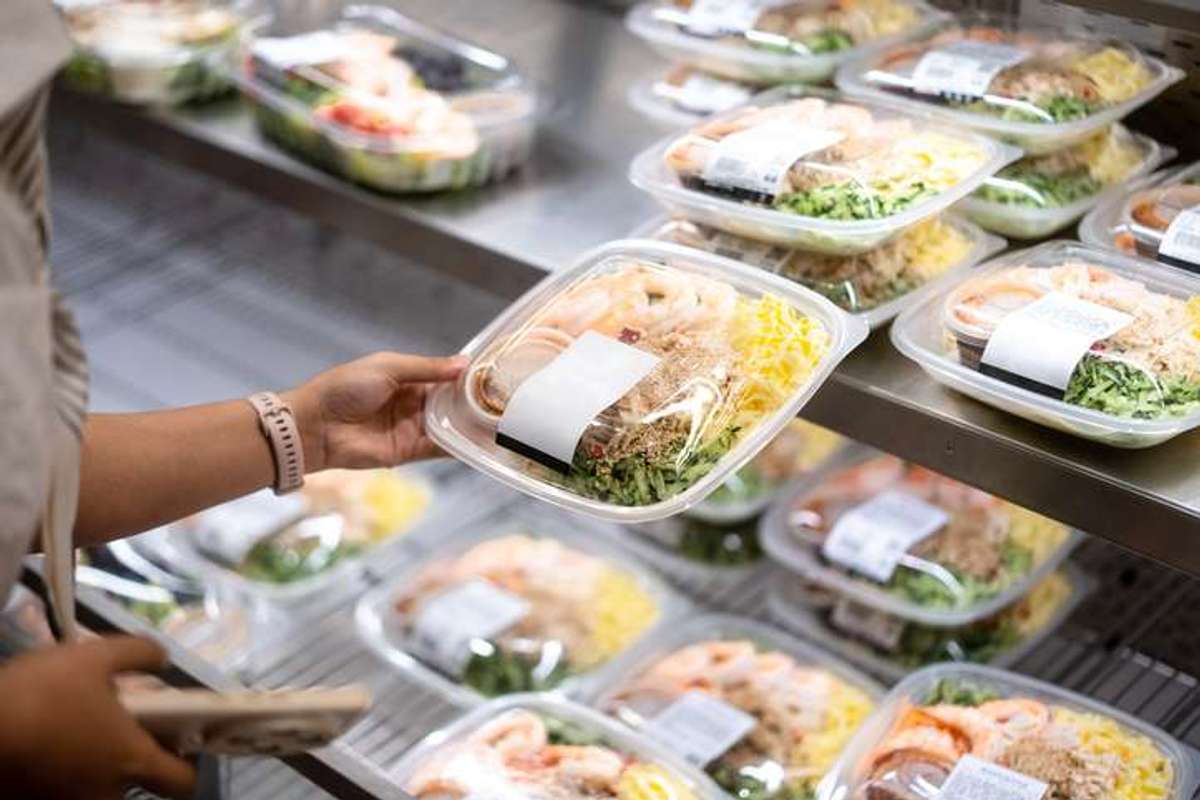

UK grocers’ rapid rollout of GLP-1 ready meal formats in January has all the hallmarks of a trend-chasing moment. However, the real opportunity lies beyond trend-driven labelling.
As appetite-suppressing weight-loss drugs reshape how people eat, retailers that position these meals as broadly healthy, inclusive options, rather than niche products for GLP-1 users, will be better placed to drive sustained demand and long-term customer loyalty, says GlobalData, a leading intelligence and productivity platform.
According to a recent study by University College London, an estimated 1.6 million adults in England, Wales and Scotland used weight-loss drugs between early 2024 and 2025. As appetite suppression alters purchase drivers, shoppers will prioritize smaller portions with higher nutritional yield per calorie.
Eleanor Simpson-Gould, Senior Retail Analyst at GlobalData, comments, “Grocers must expand GLP-1 inspired ranges to highlight the universally appealing benefits such as high protein, high fibre and nutrient dense, rather than marketing solely focused on GLP-1 terminology.
"The winners will be grocers that treat GLP-1-inspired meals as ‘healthy first,’ not ‘GLP-1 first’.”
Co-op’s mini meal range, launched into its established Good Fuel – Power up Your Plate platform, and Marks & Spencer’s Nutrient Dense proposition are the most commercially sensible approaches.
Both ranges are executed in a way that keeps them inclusive, they work for GLP-1 users, but they also appeal to anyone looking for convenient, healthier choices.
Simpson-Gould continues: “In recent years, Veganuary has been popular in January, alongside other reset initiatives such as Dry January.
"The emergence of GLP-1 led ranges suggests a shift from identity-led dietary change to appetite-led behaviors. The difference is that this latest trend is not about cutting out a category; it is about eating less and better.”
The principal risk with overt GLP-1 alignment is that it has limited appeal, even if the underlying demand persists.
Morrisons’ Applied Nutrition GLP-1 Friendly range is the most explicit in messaging, while this clarity may support immediate trend-fueled purchases, it may also deter consumers seeking discretion, while also putting off shoppers who simply want healthier meals.
Morrisons’ approach is partially explained by its ability to sell GLP-1s privately through its pharmacy business, so it is uniquely placed to link weight-loss medication and food into one ecosystem and capture more spend across both.
The result of overt alignment will be a range that can look polarising rather than helpful, undermining repeat purchase and long-term credibility.
Simpson-Gould concludes: “When oral GLP-1 pills become widely available in the UK, penetration of weight-loss medication is likely to rise as the injection barrier falls, strengthening the case for grocers to build inclusive, benefit-led ranges that can endure beyond the current weight-loss hype.”