



Private label products are continuing to outperform manufacturer brands across Europe, with sales growing 52 per cent faster in 2025 as consumers increasingly choose retailer-owned ranges for their quality rather than simply their affordability, according to new research from IGD.
The grocery industry body said private label sales increased by 4.1 per cent in value last year, compared with 2.7 per cent growth for branded products, reflecting a continued shift in shopper behaviour.
The UK remains one of the world's strongest private label markets, with retailer-owned products accounting for 44.3 per cent of grocery value sales, well above the European average of 39 per cent. Only Switzerland, Portugal, Spain and Germany recorded higher levels of private label penetration, while eight European markets now have own-label shares exceeding 40 per cent.
IGD's research suggests the traditional perception of private label as a budget alternative is fading. Nearly half (47 per cent) of shoppers globally said price is no longer the main reason they buy private label products, while 52 per cent believe their quality matches that of branded alternatives.
“Our findings show private label has moved beyond its traditional role as a value alternative and is increasingly competing with brands on quality, innovation and relevance,” said Sneha Haria, insight manager at IGD.
“Shoppers are not trading down to private label products; they are actively choosing them over brands, which is why they have become one of the industry's most important growth drivers.”
Beyond Europe, the trend is also accelerating in the US, where private label sales reached a record $282.8 billion (£209.75bn) in 2025 and grew nearly three times faster than national brands, according to the report.
IGD said leading retailers are increasingly managing their own-label portfolios as standalone brands, investing in product development, packaging, innovation and marketing to create distinctive propositions that build customer loyalty.
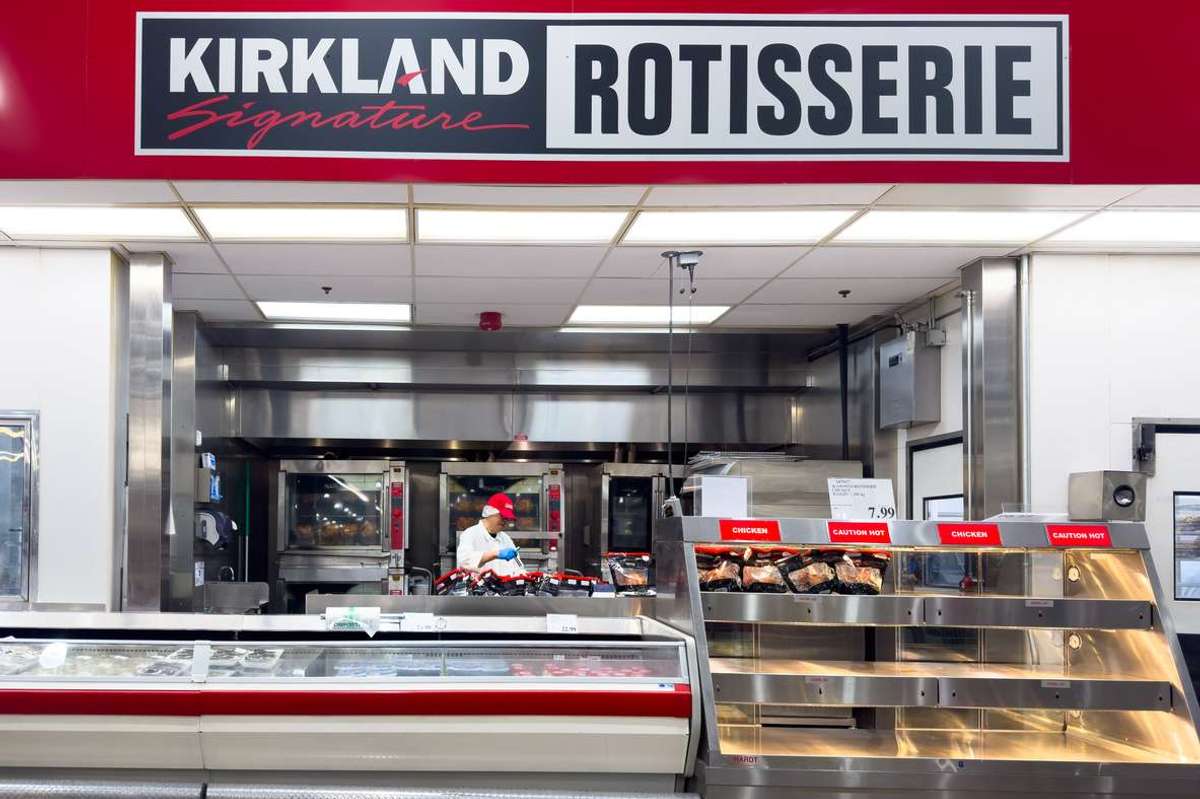
The report highlights Costco's Kirkland as the world's largest private label brand, generating more than $90bn in sales during 2025, while retailers including Migros and Lidl have developed own-label ranges that compete on quality, consistency and innovation rather than price alone.
“The line between private label and brands continues to blur,” Haria added. “The most successful retailers are creating brands that shoppers actively seek out, recommend and trust.”
Looking ahead, IGD believes health and wellness will be the next major growth opportunity for private label, as retailers expand their own-brand offerings in areas such as protein, functional nutrition, supplements, gut health and products designed to support consumers using GLP-1 weight-loss treatments.
The report cites examples including Boots' expansion of its Wellthy range and Carrefour Belgium's move into private label supplements, arguing that health-focused ranges will allow retailers to compete on expertise, trust and innovation as well as value.