



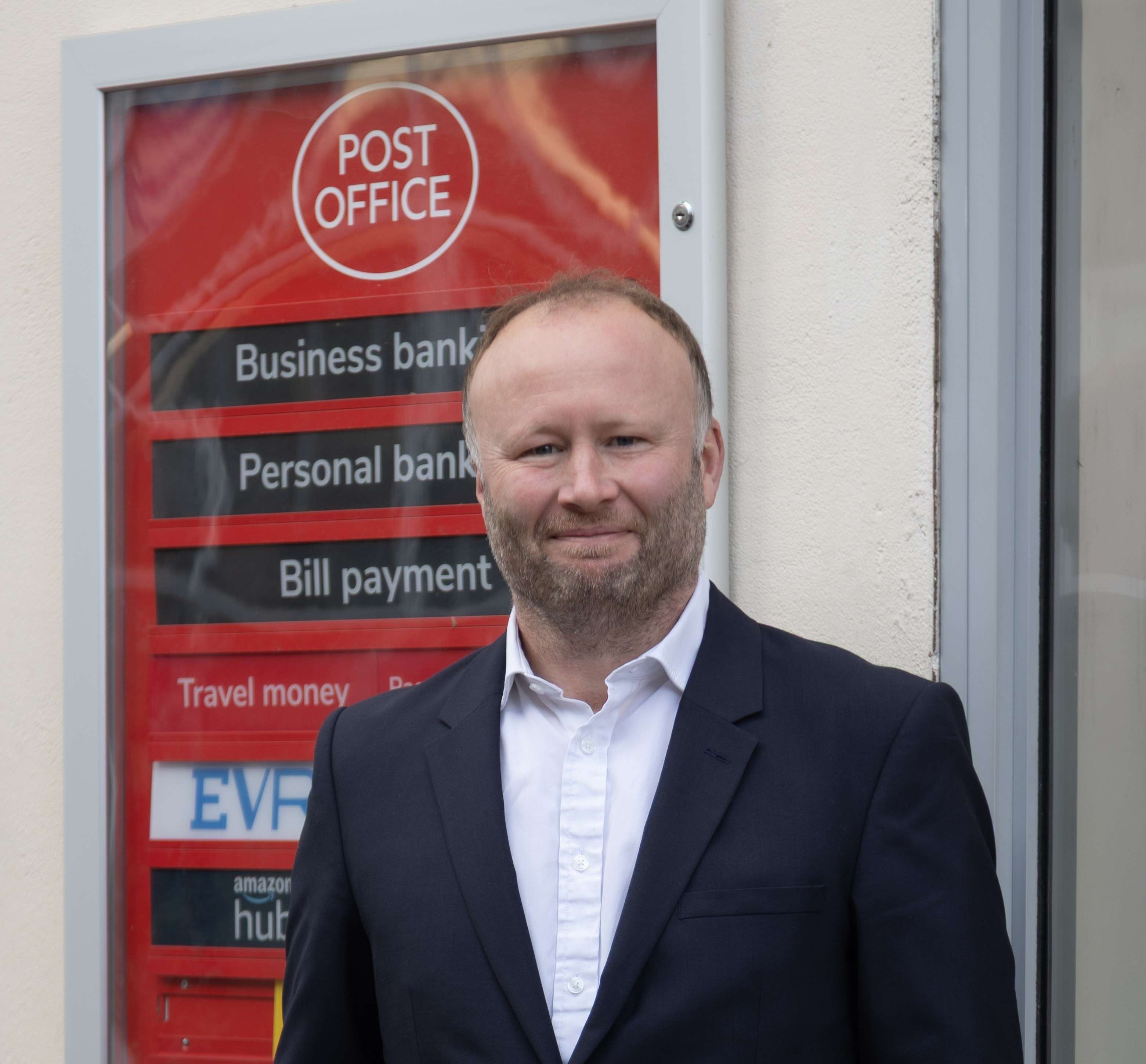

Post Office has pledged an additional £86 million in remuneration for postmasters this financial year, marking a 21% increase on last year and the largest year-on-year uplift in more than three decades, as CEO Neil Brocklehurst delivered a progress update on the organisation’s five-year Transformation Plan.
Speaking at Post Office’s first 2026 townhall on Wednesday 14 January, Brocklehurst said he wanted to provide an in-depth update because the business is now three quarters of the way through the first year of the plan, which was launched in November 2024 and pitched as a “New Deal for Postmasters”.
The CEO said the plan’s core commitment is to significantly increase postmasters’ annual income through revenue sharing, while strengthening the role postmasters play in shaping the business.
Brocklehurst said the improved pay package will be accompanied by a further shift in commercial balance towards branches, with post office outlets due to take the highest share of total revenue ever recorded, rising from 46 per cent last year to 57 per cent this year.
However, he warned that profitability across the network remains “challenging” amid intensifying competition in parcels and banking.
He pointed to Royal Mail’s entry into retail, as well as rival cash services propositions such as PayPoint’s partnerships, and highlighted that Post Office has around 3,000 fewer urban outlets than competitors, despite those areas accounting for around two thirds of parcels demand.
Modernisation programme and technology roll-out
Post Office will also launch a four-year £120m branch modernisation programme, including investment in upgraded self-service kiosks, parcel drop-off solutions, and digital marketing screens.
Brocklehurst said the technology roll-out will begin from 2026 onwards, supporting quicker service, improved accuracy, fewer queues, and lower operational costs.
He stressed the detail is still being worked through and said Post Office will engage with representative groups to ensure funding is used “consistently and fairly”, with branches able to participate either fully funded or through a co-investment model.
Three strategic priorities for the year ahead
Brocklehurst set out three key proposals that will shape the next phase of the plan:
1. Remuneration reset
From April, Post Office intends to simplify and rebalance its remuneration model, including:
- Aligning variable rates across Mains and Locals branches, bringing Locals up to Mains rates
- Increasing the postmaster share of income to at least 55 per cent for banking and travel, and at least 50 per cent for all other products
- Raising the Operational Excellence Incentive to 5.5 per cent, with an extra metric linked to stamp stock management
The CEO said further detail will follow in March, including full-year trading guidance and potential updates tied to the mails portfolio.
2. Self-serve support model
Post Office plans to shift away from a traditional support structure towards a more self-serve approach, including moving towards Account Teams as primary contacts and reducing reliance on routine in-person visits.
Digital self-service will become the default for suitable queries, allowing postmasters to raise issues online, track progress and receive updates without waiting for a visit or call-back, Brocklehurst said.
3. Network change
Alongside modernisation funding, Post Office said it will reshape the network around customer demand – including increasing access points in high-demand urban locations by removing proximity constraints, while evolving the rural network towards sustainable retail-hosted models where possible. Brocklehurst stressed: “This is not a closure programme.”
Brocklehurst concluded that Post Office “cannot afford to stand still” as competition accelerates, and positioned the transformation plan as a route to a “stronger, simpler and more resilient” Post Office by 2030.
“Delivering this vision will take hard work and difficult decisions – but we will do this through our sustained partnership with you so that we arrive at that future together,” he said.