



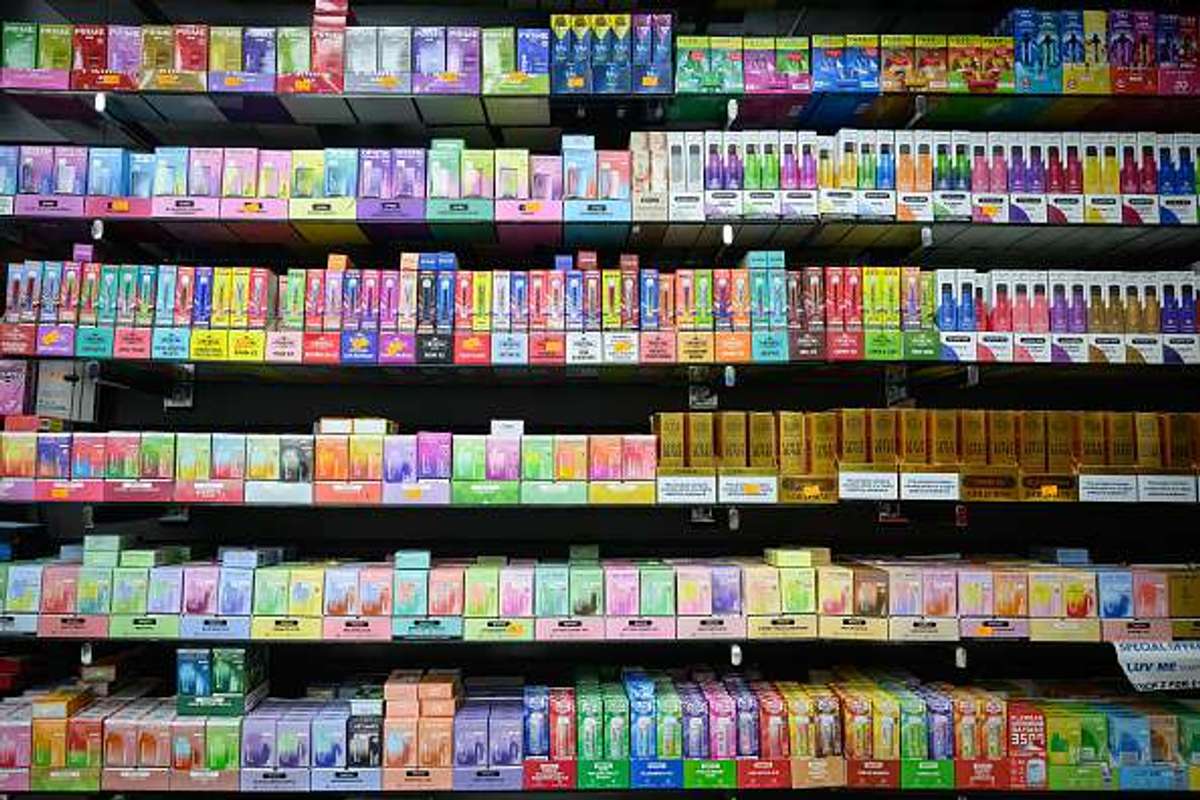

Convenience retailers will need to review how they promote vaping and nicotine products ahead of October 29, when new rules under the Tobacco and Vapes Act 2026 come into force.
From that date, businesses will be prohibited from giving away vaping or nicotine products where the purpose or effect is to promote them. The ban covers free samples, pods, coupons and promotional giveaways, whether offered in-store, online or through third-party promotions.
The rules also prohibit retailers from selling vaping or nicotine products at a “substantial discount” where the purpose or effect is promotional.
Importantly for convenience retailers, the Government says this does not mean normal discounting will disappear. Unsold stock can still be sold at a reduced price as part of normal business, while bulk and trade discounts can continue. However, retailers will need to be careful that promotions do not amount to a substantial reduction intended to drive sales.
According to the government, a coupon is defined as anything that can be redeemed for a product, service, cash or any other benefit. This includes both physical and electronic forms. It can be redeemed either by itself or along with something else, such as an emailed code.
The ban on free distribution also applies to products that have the purpose or effect of promoting a vaping or nicotine product, without being one of these products. For example, a vape charger with vaping product branding.
Businesses must not offer free samples or promotional product giveaways to members of the public. This applies whether in-store, online or through third-party promotions.
Example scenarios that would constitute an offence include:
- giving away refillable pods as a free gift
- giving free samples to customers to try
Businesses must not offer free samples or promotional product giveaways to members of the public. This applies whether in-store, online or through third-party promotions.
A defence to this could apply if a retailer has entered into a formal contract with a public authority, such as a local stop smoking service. The defence applies if the retailer is providing vapes or coupons to service users or customers, and the retailer is acting within the scope of that service agreement.
A person who commits an offence of freely distributing a product or selling a product at a substantial discount may receive an FPN of £200 in England, Wales and Scotland. In Northern Ireland, subject to approval by the Northern Ireland Assembly, a person can receive a £250 FPN for committing this offence.
Wider age-of-sale changes
The same date will also bring a broader 18+ age-of-sale requirement covering all vaping and nicotine products.
This means the rules will extend beyond nicotine vapes to include zero-nicotine vapes and nicotine products such as nicotine pouches, strips and pearls. In England, Wales and Northern Ireland, this replaces the previous age restriction that applied only to nicotine vaping products.
Retailers will also need to be aware that proxy purchasing will become an offence. It will also be an offence for anyone aged 18 or over to buy, or attempt to buy, vaping or nicotine products on behalf of a person under the age of 18.
Selling to someone under the age of sale is a criminal offence and may result in formal action, including the issuing of a fixed penalty notice (FPN) or prosecution.
Customers attempting to buy vaping and nicotine products should expect to show ID if they are asked to prove they are above the age of sale.
For retailers in England, Wales and Scotland, the fixed penalty notice for free distribution or substantial-discount offences will be £200. In Northern Ireland, the equivalent penalty is set at £250, subject to approval by the Northern Ireland Assembly.
The changes are part of the Government's wider implementation of the Tobacco and Vapes Act 2026, which introduces a series of new rules affecting retailers and the sale of vaping, nicotine and tobacco products.