



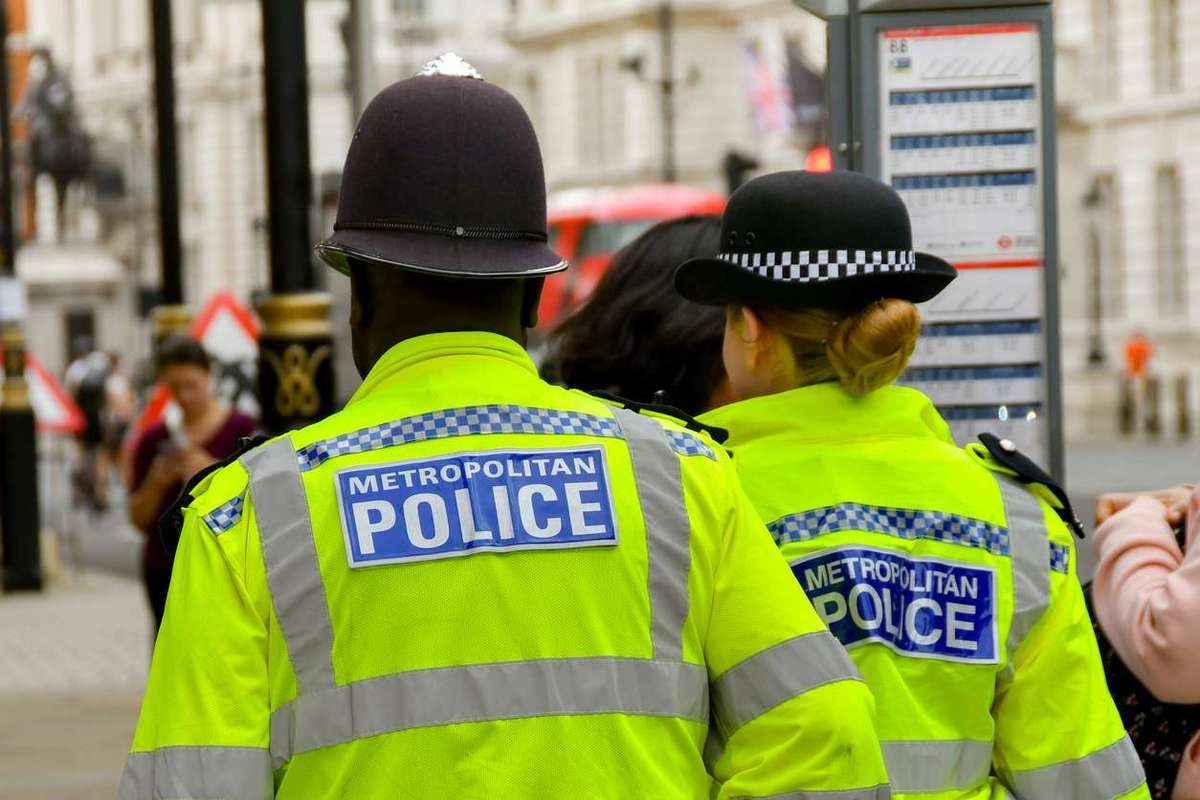

Growth in neighbourhood policing teams across England and Wales has reached 2,383 full-time equivalent (FTE) officers and Police Community Support Officers (PCSOs), according to new Home Office management information released ahead of official workforce statistics later this month.
The uplift forms part of the Government’s Neighbourhood Policing Guarantee (NPG) under its Safer Streets Mission, which includes a commitment to put 13,000 more policing personnel into neighbourhood policing roles nationally.
For convenience retailers, stronger neighbourhood policing is seen as a key lever in addressing shop theft, anti-social behaviour and violence against staff, with the sector repeatedly calling for more visible patrols and faster local response to incidents.
Year-one delivery target set at 2,972 FTE
The Home Office said forces across England and Wales agreed to deliver 2,972 FTE neighbourhood policing personnel by the end of year one of the programme, covering 1 April 2025 to 31 March 2026.
The provisional figures show that by 30 September 2025 – six months into the programme – forces had already delivered 2,383 FTE growth compared with the baseline at 31 March 2025, putting the programme well on track against the year-one target.
Regionally, the data indicates the greatest neighbourhood team growth came in:
- North West: +499 FTE
- London: +379 FTE (including Metropolitan Police: +366 FTE and City of London: +13 FTE)
- West Midlands: +419 FTE (including West Midlands force area: +324 FTE)
Other notable uplifts include the South East (+320 FTE), Yorkshire and the Humber (+165 FTE) and the North East (+159 FTE).
At force level, the biggest increases included:
- Metropolitan Police: +366 FTE
- West Midlands: +324 FTE
- Greater Manchester: +242 FTE
- Merseyside: +110 FTE
- Hampshire and Isle of Wight: +99 FTE
- Lancashire: +93 FTE
- Northumbria: +83 FTE
- South Wales: +83 FTE
Some force areas show decline
While most areas recorded increases, a small number of force areas showed declines in neighbourhood team numbers at the mid-point of the year, including:
- Dyfed-Powys: -21 FTE
- Derbyshire: -19 FTE
- Gloucestershire: -6 FTE
- Lincolnshire: -3 FTE
- Northamptonshire: -2 FTE
The Home Office stressed that neighbourhood policing numbers can fluctuate throughout the year due to recruitment intakes, retention and internal rotations. It warned the figures should not be used to compare one force against another, nor to forecast full-year delivery from a mid-year snapshot.
Official statistics due 28 January
This Home Office publication is described as an ad-hoc release to support the government’s forthcoming white paper on police reform, and to provide transparency ahead of the full statistical publication.
The official neighbourhood policing workforce breakdown (including worker types) is scheduled for release on 28 January 2026 as part of the Police Workforce, England and Wales statistical series.