



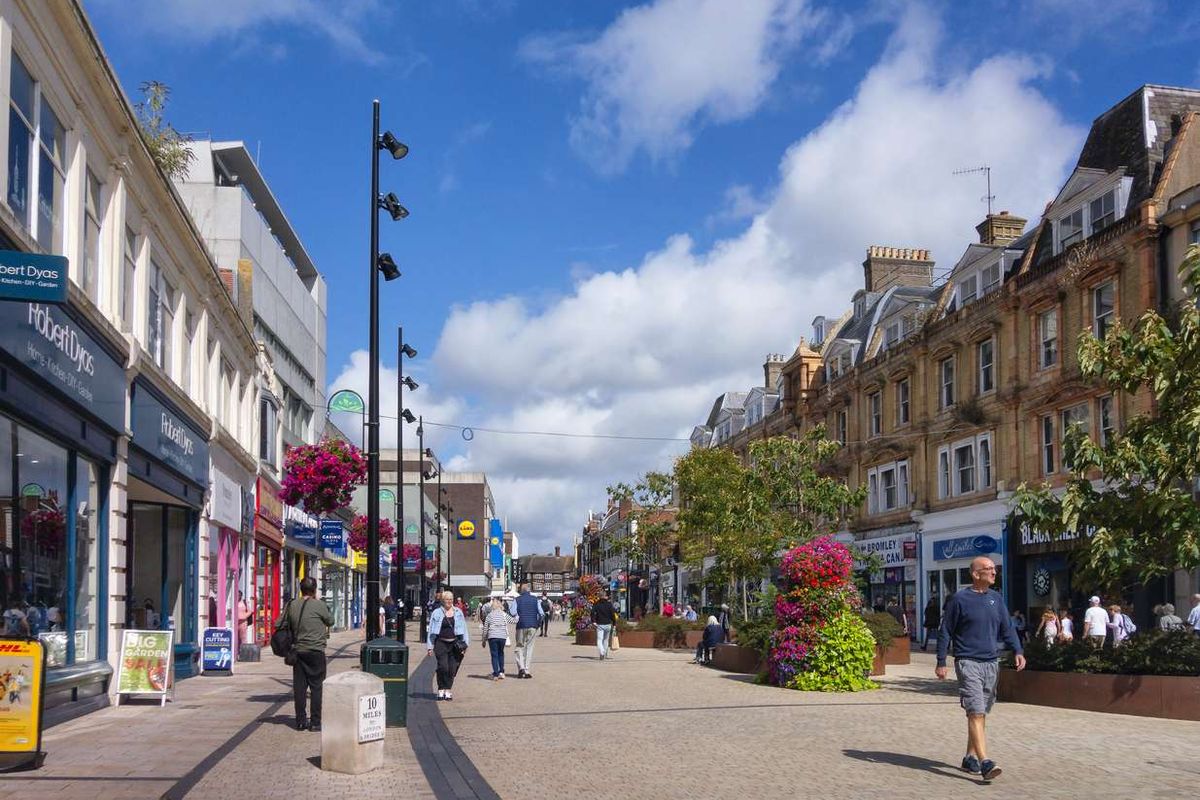

The government on Tuesday (3 December) called on local residents to join Neighbourhood Boards that will oversee how £20 million is invested in their area over the next decade as part of the new Pride in Place programme – creating fresh opportunities for convenience retailers to stay involved and informed as plans take shape for local high streets.
The Pride in Place initiative, announced in September, aims to put local people in control of long-term investment to revive town centres, protect valued assets and drive improvements based on community priorities.
Under the plans, each of the 169 areas receiving Phase Two Pride in Place funding will be given an early allocation of £150,000 in the new year to kickstart engagement, form Boards and begin drawing up project ideas. These could include high-street revitalisation schemes, community cooking classes, sports leagues, or initiatives to boost healthy living – all chosen by residents.
Prime minister Keir Starmer said the programme was about “putting power back where it belongs: in the hands of local people,” adding: “This isn’t about short-term fixes – it’s about lasting change that restores pride, strengthens communities and creates opportunities for everyone.”
Crucially, Neighbourhood Boards must demonstrate they have listened to residents and secured community backing before receiving their full funding – a requirement that places local voices, including those of retailers, at the centre of decision-making.
Pride in Place has introduced a package of reforms set to reshape many high streets. These include a new Community Right to Buy for rescuing at-risk pubs, shops and public assets; stronger compulsory purchase powers to bring derelict sites back into use; and fresh planning powers allowing councils to restrict unwanted retail types – such as betting shops, vape stores and “fake barbers” – in areas already saturated with them.
For many convenience operators, these changes could unlock opportunities to influence how nearby vacant units are repurposed, ensure a healthier mix of local retail, and support efforts to restore footfall.
Neighbourhood Boards will be chaired by an independent community member selected for their leadership potential. Local authorities and MPs will now begin the process of identifying candidates and working with residents to shape priorities.
Retailers interested in contributing to their area’s Board or helping shape future projects may contact their local authority or MP. Phase Two Boards must be established by July 2026.
The full programme prospectus is available on GOV.UK.