



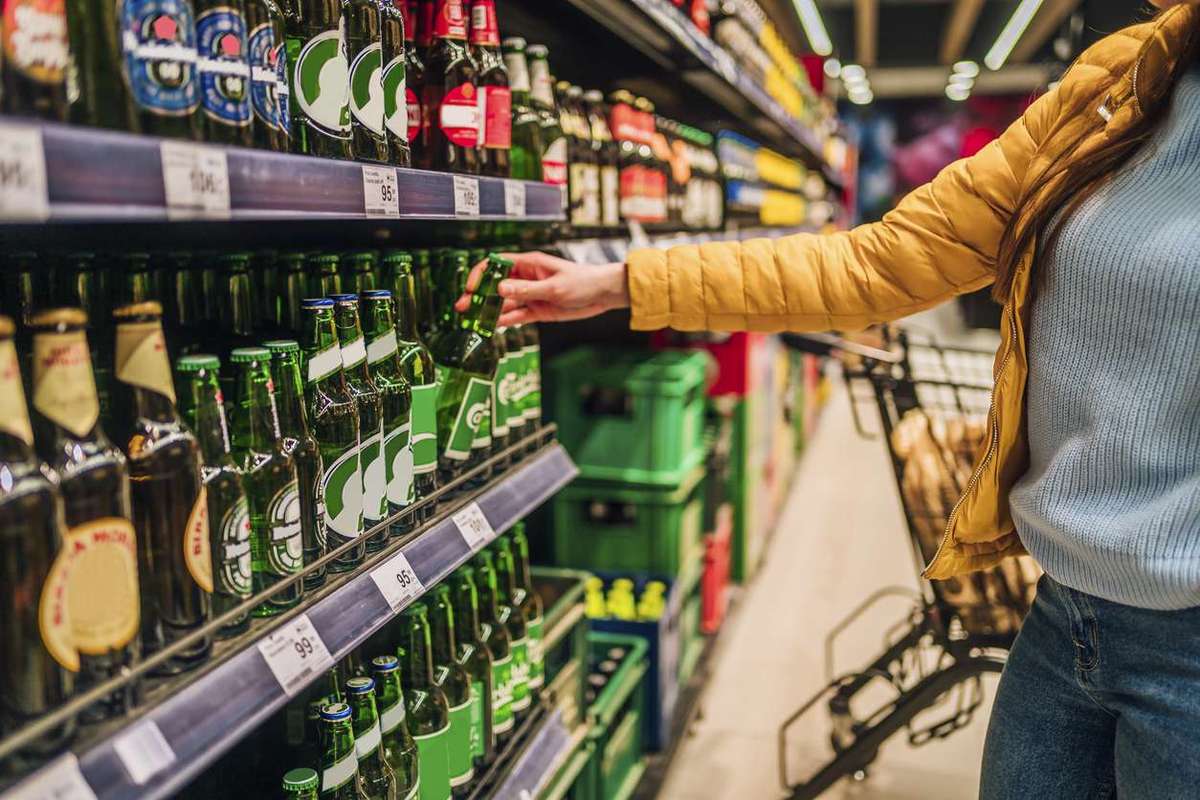

- Core lager brands rank among the biggest and most popular in the UK, accounting for 17.9% of total beer volume sales in the off-trade
- New report from Molson Coors, “The Pour Report”, reveals core lager’s additional role as a ‘safety net’ for consumers trying out new beers
- 48% of lager drinkers say they are more likely to try something new in store that also offers recognisable core options
Core lager has a “safety net effect” for retailers trying to balance their beer range, according to a new report that shows shoppers are more likely to experiment or trade up in a store where they can also buy their familiar standard-tier favourites.
In a poll of 2,000 UK adults, nearly half (48 per cent) of lager drinkers say they are more likely to add something new to their basket that they haven’t tried before if core lagers they recognise are available as well.
Core lager, which accounts for 17.9 per cent of off-trade beer sales in the UK, is also the most popular and trusted option for shoppers looking for an alternative when their first choice isn’t available, cited by 27 per cent of respondents – more than, say, premium lager (24 per cent) or craft ale (14 per cent).
Commissioned by Carling brewer Molson Coors, The Pour Report combines consumer research with insight from convenience retailers across England and Wales, including Jack Matthews, owner of Bradleys Supermarkets in Leicestershire, Nisa operator Sukhjinder Gill in Derbyshire and Go Local retailer Max Bashir in Middlesbrough.
The report also challenges the idea that core lager is chosen on price alone. Among those that regularly choose core lager, less than half (42 per cent) say price is the deciding factor, while 40 per cent say they are most influenced by taste. Familiarity (27 per cent), brand reputation (23 per cent) and promotions (20 per cent) are also cited as important drivers of preference.
“Core lager is a huge part of the beer category and represents a significant commercial opportunity in its own right,” said Kevin Fawell, UK&I Sales Director at Molson Coors Beverage Company. “What our latest research shows us is the additional role familiar core lager brands play across the wider category. We hear consistently from retailers that shoppers want confidence when they reach the beer aisle. They may be interested in something new but seeing a familiar option they know and trust gives them the reassurance they need to explore.
“Core lager and premiumisation shouldn’t be viewed as an either/or choice. A strong core range gives shoppers the confidence to explore while continuing to drive significant sales and meet the needs of the large number of people who actively choose core lager for its taste, familiarity and value. That’s the role established brands such as Carling can play within a well-balanced beer fixture.
“One shopper might be buying chilled bottles for that evening, another a multipack for friends coming over, while someone else simply wants the same lager they always buy. Core lager helps make sure there is something that works for everyone.”
According to the research, two fifths (41 per cent) of lager drinkers say they always or often choose core lager over premium or craft, compared to only a quarter (25 per cent) that say they rarely or never do so. And, of those that would choose core lager, 66 per cent agree that it offers the best value for money.
And, more than a third of shoppers (34 per cent) believe better promotions and discounts would improve their experience, with availability, clearer pricing and chilled stock also important.
Jack Matthews of Bradleys Supermarkets, which operates stores across Leicestershire, said: “Demand for core lager continues to be strong and will remain a staple in the category – with brands like Carling continuing to perform as dependable, high-volume brands.”