




One in eight vapes seized from pupils in southwest London schools contained illicit substances, including THC and spice, a Metropolitan Police pilot has found, raising concerns about the growing risk of drug-spiked vaping products among young people.
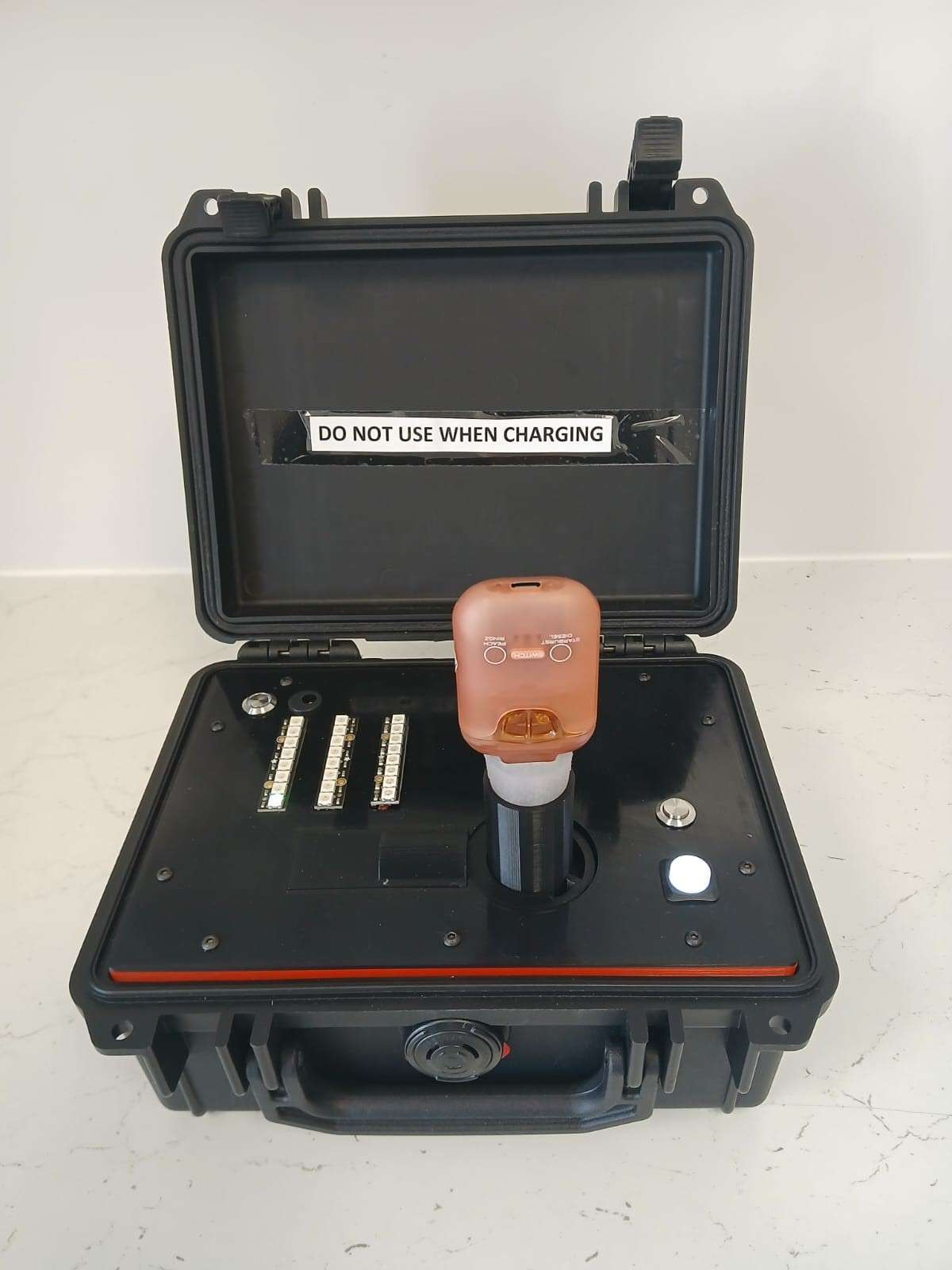
The first-of-its-kind operation involved officers testing 32 confiscated vape devices using specialist detection technology commissioned by the Met. The portable equipment can screen vapour for substances including THC and spice, producing results within minutes.
The pilot was launched following reports of pupils becoming seriously unwell after using vaping products that they believed contained ordinary nicotine or had been shared by others.
The findings add to concerns about the presence of illicit substances in vaping products circulating in schools. A previous study by the University of Bath found that up to a quarter of vapes confiscated from secondary schools in England contained the synthetic drug spice.
The Met said it had received around 200 reports linked to spiking offences involving child victims over the past year, with some incidents involving young people becoming unexpectedly ill after using vapes.
Deputy Assistant Commissioner Ben Russell said the pilot had provided evidence of an emerging threat to children, with dangerous and illicit substances finding their way into vaping products used by young people.
“Whether knowingly or unknowingly, children carrying dangerous substances in schools is concerning,” he said.
“That is why we are not only investing in new technology, developing innovative tactics and pursuing those responsible, but also working directly with young people to help them recognise the risks, make informed choices, and stay safe.”
The Met is also engaging directly with pupils to raise awareness of the dangers associated with vaping and spiking, helping them recognise potential risks and make informed choices.
The specialist detection technology has also been deployed in London's night-time economy to support police efforts to tackle drink and drug spiking in bars, clubs and entertainment venues.
In a recent case highlighting the risks, officers were called to a college in Kingston in April after a 17-year-old student lost consciousness following the alleged use of a drug-laced vape.
A subsequent search led to the seizure of cannabis, a vape device and a bottle containing a pink liquid labelled 'PEACHSILK, 5000MG THC'. Forensic analysis later confirmed that two vaping products contained a Class B controlled drug.
The Met said it had increased its focus on tackling spiking over the past year through enforcement, prevention and awareness campaigns. Positive offence outcomes for spiking offences have risen by 36 per cent, while reporting has also increased, which the force believes reflects greater confidence among victims in coming forward.
Russell urged anyone who believes they have been spiked to report it to police as quickly as possible, saying the first 12 to 24 hours are crucial for securing evidence and identifying offenders.