



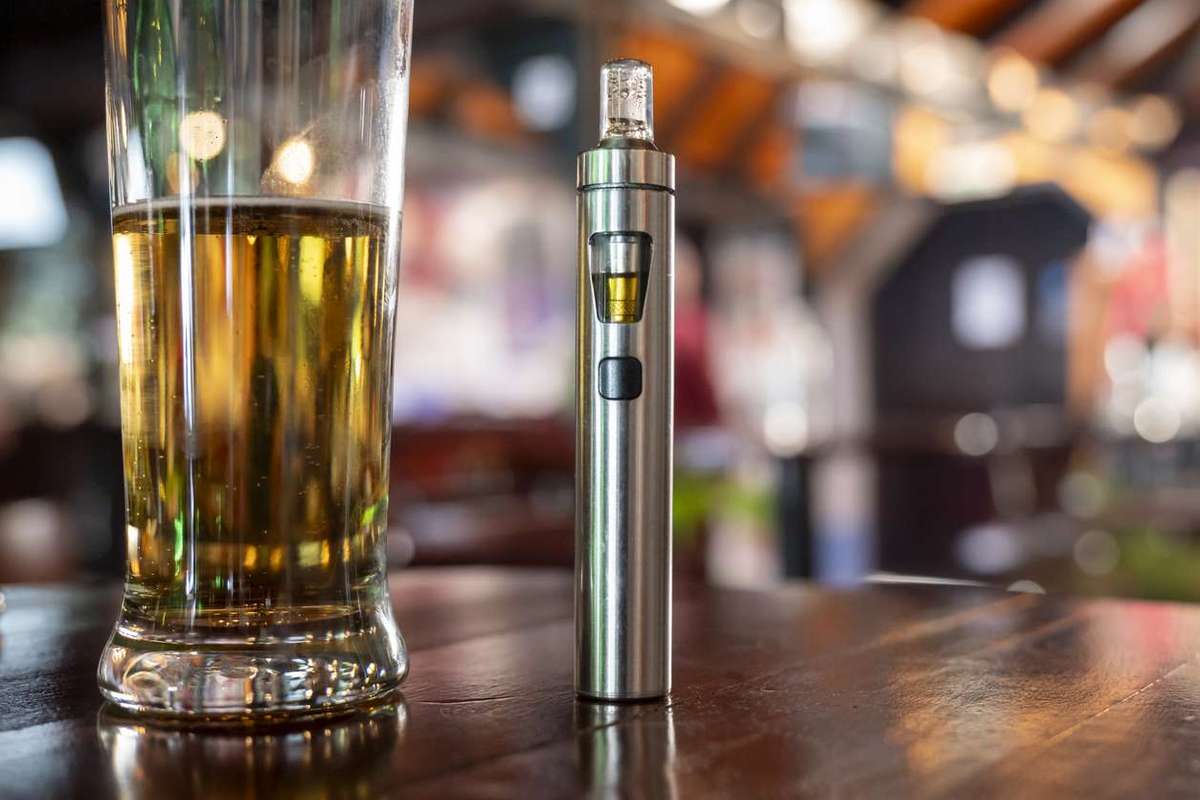

Offenders are increasingly using vapes to spike unsuspecting victims, with the Metropolitan Police warning that substances are being added to vaping devices or liquids without users' knowledge or consent.
The Met said detectives are seeing an increasing number of cases involving vape spiking, alongside offences involving everyday medicines, prescription drugs and illicit substances.
The warning comes as Met officers prepare for Freshers' Week operations across London, with detectives reporting that the environments in which spiking takes place are also changing.
While spiking has traditionally been associated with bars and nightclubs, officers are investigating offences linked to house parties, pre-drinks gatherings, student accommodation and other private settings.
Over the past year, the Met secured 131 positive outcomes for spiking-related offences, a 20 per cent increase on the previous reporting period.
Detectives said offenders continue to use substances such as cocaine and ketamine, but are increasingly encountering cases involving readily available medicines, including antihistamines and travel sickness drugs. These can cause drowsiness, confusion, memory loss and reduced awareness when administered without a person's knowledge.
The Met has invested in specialist forensic capabilities, including equipment capable of rapidly testing suspected spiked vapes and identifying a wider range of substances than those detected by commercially available testing kits.
Officers warned that many over-the-counter medicines and prescription drugs allegedly used in spiking may not be detected by self-testing kits sold online.
Detective Superintendent Dan Thompson, the Met's spiking lead, said: “The nature of spiking is changing. We're seeing offenders use a wider range of substances than ever before, including everyday medications and substances added to vapes, while increasingly targeting victims in private settings such as homes, parties and student accommodation.”
He urged victims to report incidents as quickly as possible, saying that reports help police build intelligence and identify emerging trends.
“Many of the substances now being used leave a narrow forensic window, which is why reporting as quickly as possible is so important,” Thompson said.
The Met said more than half of reported spiking victims over the past year were aged between 18 and 35, with Freshers' Week providing an opportunity to raise awareness of changing tactics among offenders.
The force will conduct targeted operations at universities, student events and night-time economy venues across London during Freshers' Week, working with partners to identify offenders, gather intelligence and prevent harm.