




British shoppers are abandoning the weekly "big shop" to avoid the spiralling cost of driving to the store, new national research from CarMoney reveals.
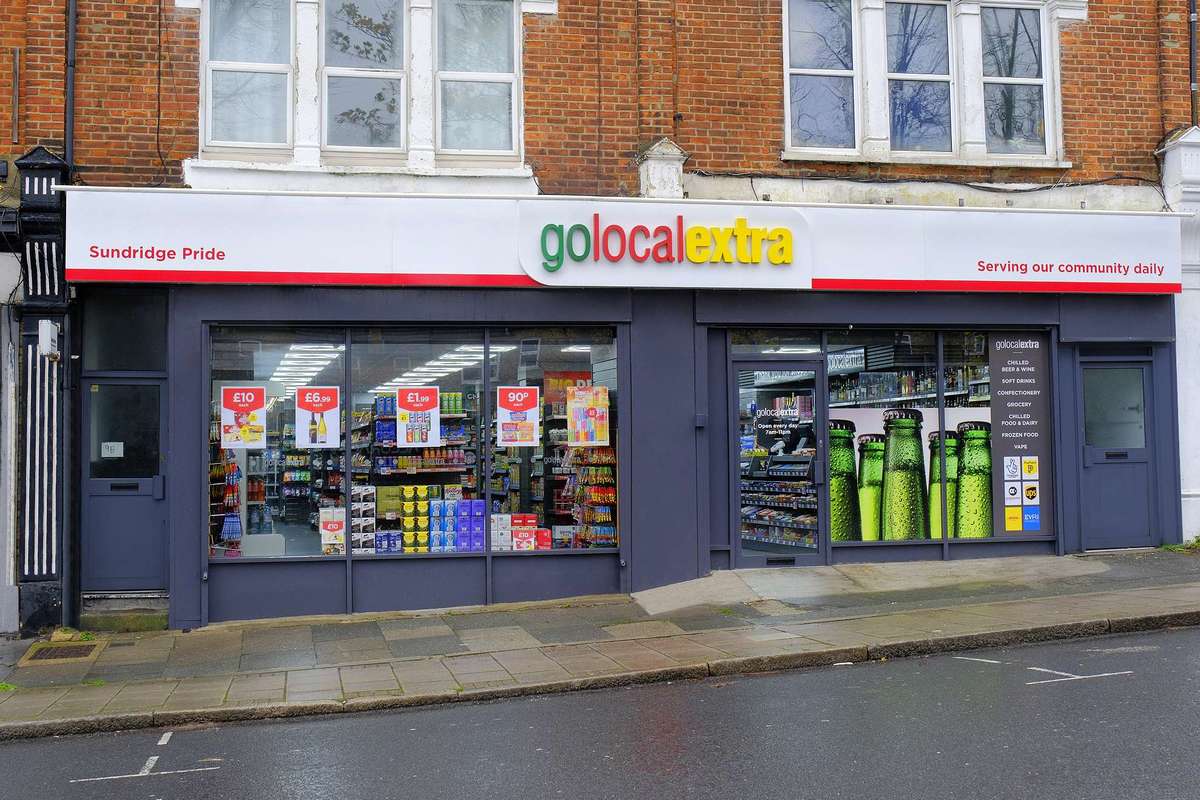
In a significant shift toward hyper-localism, motorists are realising that driving to a cheaper, distant supermarket is proving too expensive. Instead, they are paying the premium prices of local convenience stores to save what is left in their fuel tanks.
The nationwide study shows a profound shift in consumer habits, with 14 per cent of the UK population now actively abandoning their preferred large supermarket chains.
The economic friction is being felt most acutely in London, where 17 per cent of motorists have already traded their traditional supermarket routine for local alternatives to eliminate the fuel burn of a longer commute.
Gender and age demographics reveal that women, who statistically shoulder the primary responsibility for household grocery shopping, are leading this pivot. The trend is most pronounced among women aged 45 to 54, a demographic increasingly forced to balance domestic budgets against forecourt pricing.
Furthermore, younger drivers are facing an even tighter squeeze. Across the country, 14 per cent of 18-to-24-year-olds report that the cost of vehicle use has sparked heated domestic arguments over "unnecessary" car journeys, while 21 per cent of the same younger demographic have gone so far as to cut their overall food-shopping budgets or skip meals entirely to keep their vehicles on the road.
The West Midlands and London have emerged as the UK's hyper-local capitals, with 19 per cent of drivers in both regions abandoning their traditional supermarket routines in favour of nearby alternatives. In these densely populated areas, the abundance of local convenience shops makes ditching the car entirely feasible.
In the North East, only seven per cent of motorists have made the same switch, highlighting how rural and less connected regions remain captive to their vehicles.
26 per cent of Scottish motorists flatly refuse to alter their driving and shopping routines despite price hikes. Financial strain has forced 29 per cent of drivers in Northern Ireland to resort to part-filling their fuel tanks because a full tank has become prohibitively expensive.
Andrew Marshall, marketing director of CarMoney, commented: "The data clearly shows that the British public is feeling the squeeze at the pumps, forcing many to think much more carefully about how and when they use their vehicles.
"For many households, the car has become one of the most substantial monthly outgoings, requiring a very disciplined approach to budgeting just to maintain a daily routine.
"Whether it is young professionals reassessing their commute or families cutting back on social trips to see relatives, motorists are having to make proactive and often difficult choices to manage their motoring costs effectively."