



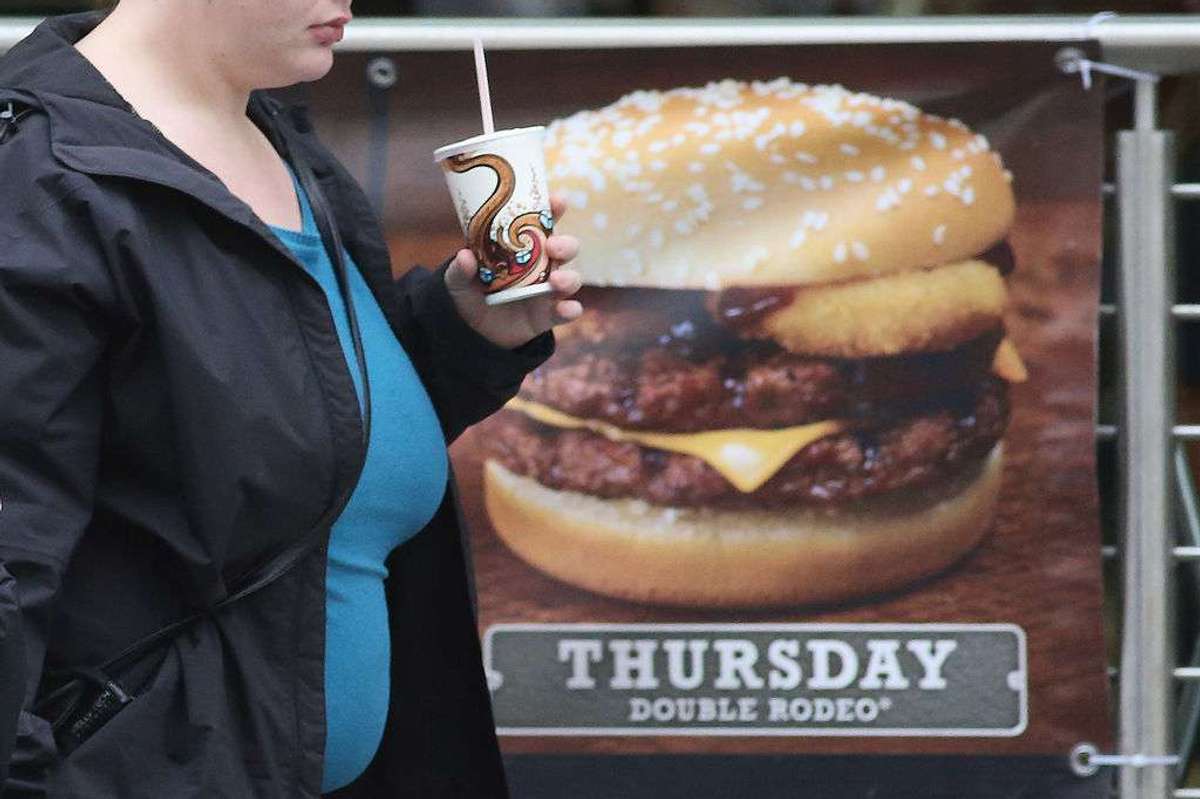

Liverpool City Region is set to introduce tougher restrictions on junk food and high sugar drink advertising across publicly owned assets under proposals due to be discussed by the Combined Authority this week.
The proposed advertising policy is designed to promote healthier lifestyles and tackle “deep-rooted health inequalities” across the city region, with a particular focus on limiting promotion of food and drink high in fat, salt and sugar (HFSS).
Mayor Steve Rotheram said adverts displayed on publicly owned infrastructure should “work in the public interest”, warning that in some communities children are “growing up surrounded by adverts for products that damage their health”.
“Too many families are living with the consequences of poor diet and ill health – and it’s no coincidence that the most impacted communities are often the poorest,” he said.
The Combined Authority said the scale of the issue is underlined by local health data, with 63.5 per cent of adults in Liverpool and up to 78.3 per cent in Halton classified as overweight or obese.
It also cited evidence that junk food adverts appear six times more often in the most deprived parts of the city region, where children are said to be 40-50 per cent more likely to have excess weight than peers in less disadvantaged areas.
Under the proposed policy, HFSS definitions would be based on Public Health England’s Nutrient Profiling Model.
In addition, the existing ban on tobacco ads will be extended to cover vaping products.
The Combined Authority said it would also review gambling and alcohol advertising, with findings expected to inform future versions of the policy.
The policy would apply to assets under the Combined Authority’s control, including advertising sites across the bus and rail network. Officials said the move would bring the authority “into alignment” with local councils and support a growing movement to protect residents from the influence of unhealthy food and drink marketing.
A phased introduction is planned, with the Combined Authority working with advertising partners to implement the policy “fairly and effectively” and in line with national guidelines and advertising rules. The policy would be reviewed periodically, with input from local councils, health partners and other transport authorities to ensure a consistent approach.
Earlier this month, new UK restrictions on the marketing of HFSS foods came into force, banning junk food advertising on television before 9pm and across online platforms.