



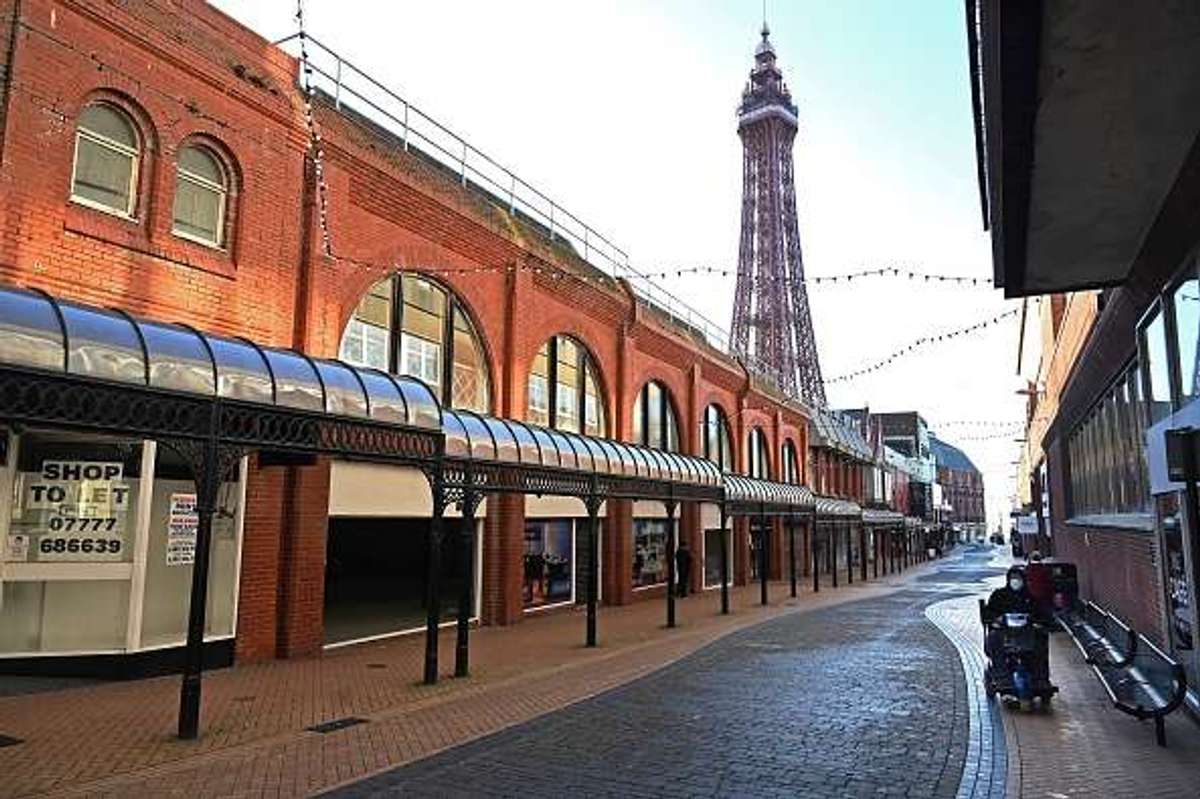

England’s poorest communities have 70 per cent more vape shops, off-licences and roughly double the number of retailers selling unhealthy food and significantly higher vacancy rates, a recent research has found.
According to a recent report by Independent Commission on Neighbourhoods (Icon), although billions of pounds have been spent towards the very worthy goal of regenerating UK's town and city centres, local parades have seen very little research or policy attention.
Local parades are the “shops down the road”, the places at the end of their street or around the corner where they buy milk, send parcels, visit the chemist, drop the kids off at nursery, or meet friends for a catch up. They are far smaller in scale than large town and city centre high streets, yet they still serve a very active role in people’s day to day lives.
The report, published today (Feb 9), states that deprived neighbourhood parades, in comparison to affluent parades, average: • around 25 per cent less social infrastructure amenities, such as pubs, café’s and coffee shops, gyms, leisure centres and social clubs, as well as local health, digital, and educational services, and 70 per cent more over saturated retail premises, which include off licenses, takeaways, betting shops, and vape shops.
Deprived neighbourhood parades average "less healthy food retailers and far more unhealthy food options - 2.2 unhealthy food retailers for every healthy food retailer, compared to 1.2 unhealthy food retailers for every healthy food retailer in the most affluent neighbourhood parades".
Neighbourhood parades in deprived areas are becoming more homogenous, with a proliferation of over-saturated retail and health-reducing amenities meaning one in eight retail premises facilitate smoking, gambling and cheap alcohol in the most deprived neighbourhood parades, compared to one in 12 in the most affluent neighbourhood parades.
The report further adds that more isolated, deprived areas are often hit by a dual effect- the main grocery options on the parade are small convenience stores and off licenses, which charge higher prices due to a lack of alternatives and limited transport links.
"One of the first priorities of Ambition Lawrence Weston, the Big Local serving the Lawrence Weston estate in Bristol, was to try and draw a major budget supermarket to set up on their estate, amid resident concerns about the lack of quality food retailers in the area who were charging a premium for the lack of options available locally," states the report.
“Ministers risk overlooking vital neighbourhood shopping parades as the government focuses on boosting town centre retail,” said Ross Mudie, Icon’s head of research. “Communities in these areas should be given extra support to take over and run empty units in their local shopping parades as new community facilities.”
Tackling Britain’s struggling high streets is one of the main missions of Keir Starmer’s government. Last week, he announced an expansion of the £5bn “pride in place” programme of investing in 284 areas across the UK.
The funds will allow communities to seize boarded-up shops and buy beloved local assets such as libraries and cinemas.